 Pin It
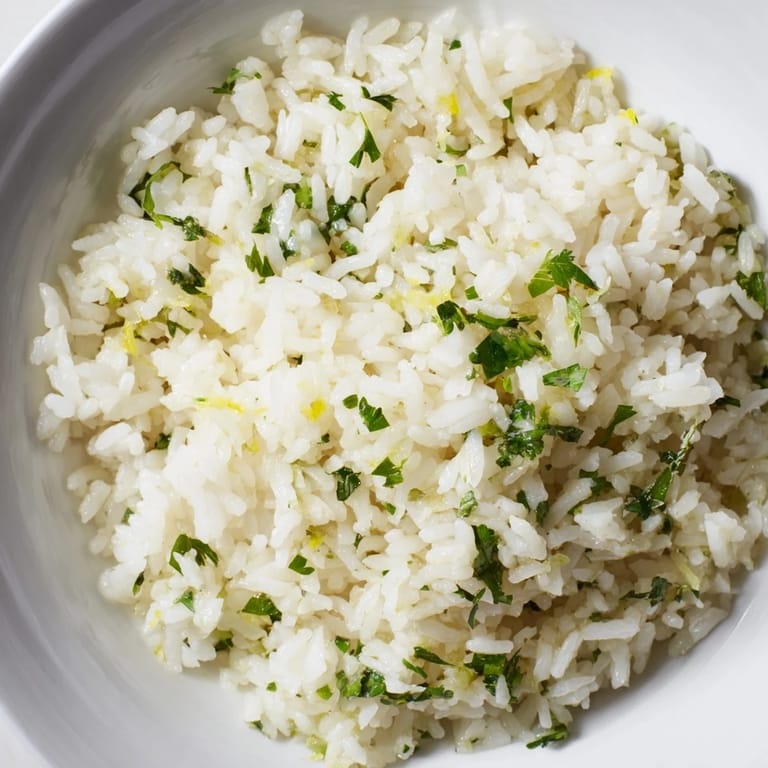
 There's something about cilantro lime rice that takes me back to a kitchen in late summer, when my neighbor brought over a slow cooker full of carnitas and asked if I had anything fresh to go with it. I grabbed a handful of cilantro from my garden, some limes that were sitting on the counter, and threw together a quick rice dish that night. It became the side everyone actually talked about at dinner, and I've been making it ever since.
I remember making this for a weeknight dinner when my partner had invited his family over with barely a day's notice. Instead of panicking about what to serve alongside the grilled fish I'd planned, I thought of this rice. By the time everyone arrived, the kitchen smelled like lime and fresh herbs, and suddenly the meal felt thoughtful and prepared, even though I'd spent most of the day at work.
Ingredients
- Long-grain white rice (1 cup): The length keeps individual grains separate and fluffy, which is what you're after here—no clumpy rice.
- Water (2 cups): The right ratio matters more than you'd think; too much makes mushy rice, too little and you'll have crunchy bits.
- Neutral oil (1 tablespoon): This step of toasting the rice before adding water is quiet but essential—it seals the grains and keeps them distinct.
- Salt (1/2 teaspoon): Don't skip this; it seasons the rice as it cooks rather than just sitting on top.
- Fresh cilantro (1/2 cup, chopped): Buy it with the roots still on if you can; it stays fresher longer and tastes brighter.
- Fresh lime juice (2 tablespoons): Squeeze it just before you need it—bottled juice loses its personality within hours.
- Lime zest (1 teaspoon): This is where the actual lime flavor lives, not just tartness, so don't skip it.
- Unsalted butter (1 tablespoon, optional): A small amount adds richness that makes the rice feel luxurious without being heavy.
Tired of Takeout? 🥡
Get 10 meals you can make faster than delivery arrives. Seriously.
One email. No spam. Unsubscribe anytime.
Instructions
- Rinse and prepare:
- Rinse the rice under cold running water, stirring gently with your fingers until the water runs clear—this removes excess starch and prevents clumping. It takes about a minute and makes a noticeable difference.
- Toast the rice:
- Heat the oil in your saucepan over medium heat, then add the rice and stir constantly for a minute or two until the grains turn slightly translucent and smell nutty. This small step transforms the texture.
- Add liquid and simmer:
- Pour in the water and salt, bring everything to a boil, then immediately lower the heat to the gentlest simmer you can manage. Cover tightly and let it sit undisturbed for fifteen to eighteen minutes until the water vanishes and the rice is tender.
- Rest and fluff:
- Turn off the heat and let the covered rice sit for five minutes—this lets the steam finish its work and keeps the grains separate. Use a fork to gently break up any clumps.
- Finish with brightness:
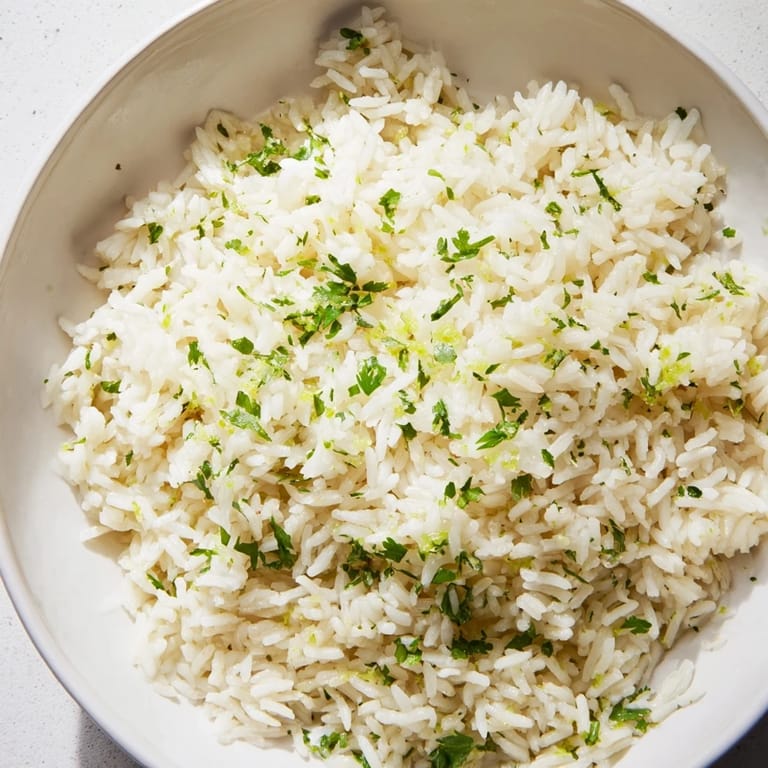
- Stir in the butter if you're using it, then add the lime juice, zest, and fresh cilantro until everything is evenly mixed through. Taste it, and if you want more lime punch, add a squeeze more juice.
 Pin It
 One evening, I was cooking this rice for a friend who'd been going through a rough week, and halfway through dinner, she paused and said the rice made her feel better. It wasn't complicated or fancy, but there was something about that combination of bright, fresh flavors that reminded her things could taste good and feel uncomplicated. That's when I realized this simple recipe was doing something more than just filling a plate.
Variations to Keep It Interesting
The base of this recipe is forgiving enough that you can play with it without losing the core appeal. I've added a minced garlic clove sautéed with the rice, stirred in diced jalapeño for heat, or scattered toasted pine nuts on top for texture. A friend who grows her own herbs sometimes swaps half the cilantro for fresh mint, and it's equally lovely. Each change keeps the dish feeling familiar but gives you a reason to make it again.
Pairing This Rice with Confidence
This rice works best alongside dishes that have bold, savory flavors—carnitas, carne asada, grilled fish, or even roasted vegetables with spice. The lime and cilantro don't compete; they complement and brighten whatever else is on the plate. I've learned that lighter pairings get the most from this rice because nothing's fighting for attention.
Storage and Make-Ahead Tips
Cilantro lime rice keeps well in the refrigerator for three days, though the cilantro will darken slightly. I reheat it gently in a skillet with a splash of water rather than the microwave, which keeps the grains from drying out. You can also make the rice ahead and add the cilantro and lime juice just before serving if you want the brightest possible flavor.
- Leftovers transform into rice bowls the next day with beans, avocado, and a fried egg on top.
- If you're feeding a crowd, this recipe doubles easily—just keep an eye on the cooking time, as larger batches may take a minute or two longer.
- Store in an airtight container and don't let it sit at room temperature for more than two hours.
 Pin It
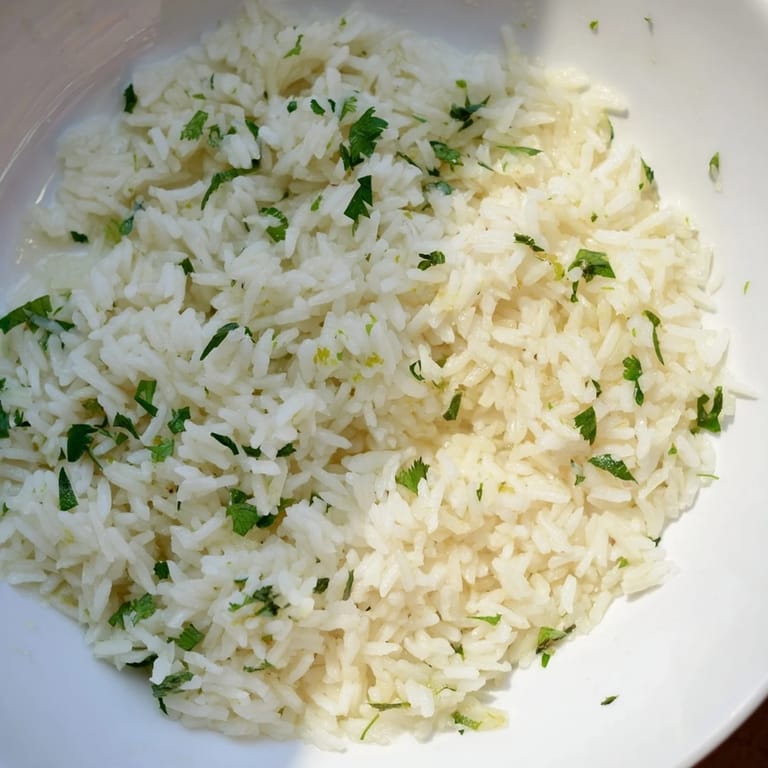
 This rice has become one of those dishes I make without thinking, the way you might hum a familiar song. It's proof that simple food done well is enough.
Recipe Questions & Answers
- → How do I make the rice fluffy and not sticky?
Rinse the rice thoroughly in cold water until clear to remove excess starch. Sautéing the rice briefly before cooking also helps keep grains separate and fluffy.
- → Can I substitute the water with broth?
Yes, substituting half or all the water with a low-sodium chicken or vegetable broth enhances the flavor without overpowering the citrus and cilantro notes.
- → What if I want a dairy-free version?
Simply omit the butter or replace it with a plant-based alternative to maintain richness while keeping it dairy-free.
- → When should I add the lime juice and zest?
Add the lime juice and zest after the rice is cooked and fluffed to keep the citrus flavor fresh and vibrant rather than cooked out.
- → How can I add more depth of flavor?
Try adding a minced garlic clove while sautéing the rice or sprinkle in some toasted cumin seeds for additional aroma and complexity.