 Pin It
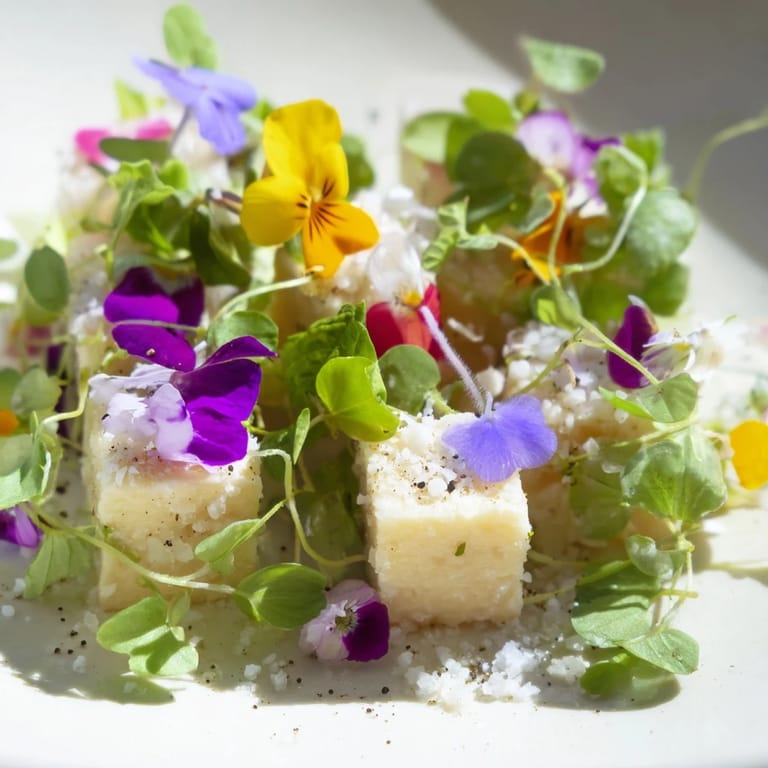
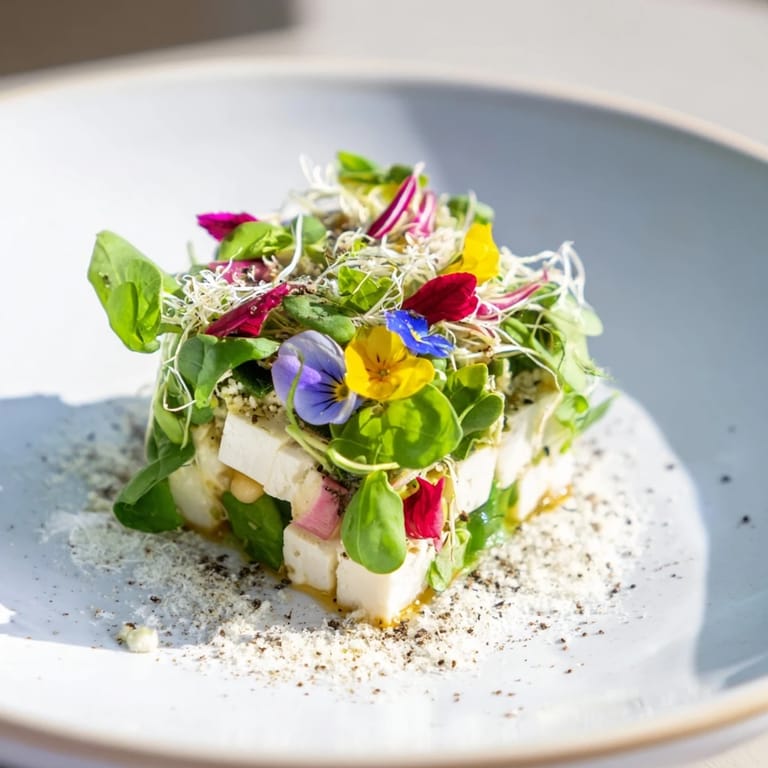
 I discovered this dish entirely by accident on a summer evening when I'd overcommitted to hosting and had nothing prepared. Wandering through my garden, I spotted the edible flowers blooming in wild clusters and thought, why not make them part of the presentation itself? Within minutes, I'd cubed some cheese, scattered greens around it, and tucked flowers everywhere like I was arranging a tiny landscape. When guests arrived and started hunting through the foliage for hidden cheese, the whole table lit up with genuine delight. It wasn't fancy in the traditional sense, but it felt like magic.
My neighbor who'd recently retired from floristry saw this spread and actually teared up a little, telling me it reminded her why she'd loved working with flowers in the first place. She spent the whole party pointing out the subtle color combinations and showing people which flowers tasted peppery versus sweet. That's when I realized this wasn't just appetizer, it was a conversation starter that brought people together around something beautiful and tactile.
Ingredients
- Aged cheddar: The nutty, sharp bite cuts through richness and gives your guests something recognizable to anchor their bites.
- Goat cheese: Tangy and creamy, it offers textural contrast and a subtle earthiness that pairs naturally with garden flavors.
- Gruyère: Complex and slightly sweet, this cheese brings depth and makes the whole board feel intentional rather than improvised.
- Microgreens: Pea shoots are tender and sweet, radish greens add peppery snap, and mixed micro herbs keep things interesting; they're your camouflage and your flavor boost.
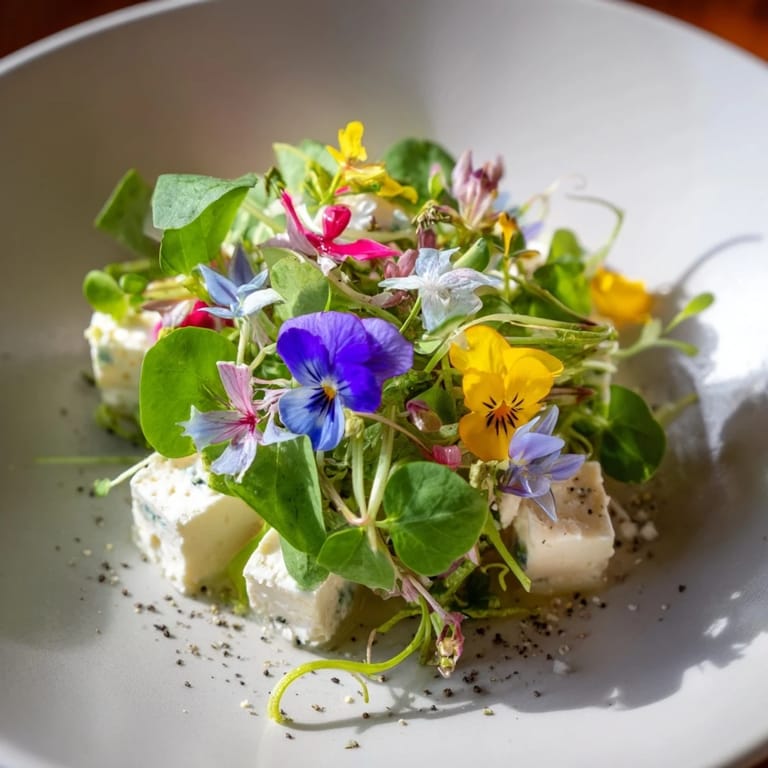
- Edible flowers: Nasturtiums bring peppery punch, pansies add color without much flavor, violets taste subtly floral, borage flowers are grassy and delicate, and calendula petals bring a gentle citrus note.
- Extra virgin olive oil: A light drizzle brings everything into focus without overwhelming the delicate flavors.
- Flaky sea salt and black pepper: These aren't garnish, they're seasoning that makes the cheese cubes actually sing.
Tired of Takeout? 🥡
Get 10 meals you can make faster than delivery arrives. Seriously.
One email. No spam. Unsubscribe anytime.
Instructions
- Cube your cheeses with intention:
- Use a sharp knife and cut pieces about the size of a large die so they feel substantial when discovered. Pat them dry if they're wet, since moisture will make them harder to handle.
- Map out your board:
- Create three zones for your cheese types, leaving gaps and space between them; this makes the composition feel natural and gives you room to tuck greens and flowers into the landscape.
- Layer the greens:
- Scatter microgreens generously and unevenly across the board, letting some cheese peek through and some hide completely; you want visual variety that makes people curious.
- Tuck flowers like you're gardening:
- Place edible flowers directly among the microgreens so they look wild and intentional at the same time, creating little pockets of color.
- Finish with oil and seasoning:
- If using olive oil, drizzle it lightly over the greens and flowers so it glistens but doesn't pool; sprinkle salt and pepper over the visible cheese cubes so the first taste is properly seasoned.
- Serve with an invitation:
- Present it as a game, telling guests to forage for hidden treasures beneath the foliage, and watch how the playfulness transforms the moment.
 Pin It
 A child at one of my gatherings asked if the flowers were real because they looked too pretty to eat, then bit into a nasturtium and laughed at the peppery surprise. Watching someone of any age rediscover that food can be playful and beautiful taught me something about why we gather around tables in the first place.
Choosing Your Flowers Thoughtfully
Not all edible flowers taste the same, and flavor matters as much as looks. Nasturtiums deliver a real peppery bite that makes sense next to sharp cheddar, while calendula petals are gentler and almost citrusy, which complements goat cheese beautifully. Pansies are more visual than flavorful, so use them to fill gaps and create color without worrying about their taste contribution. Violets are delicate and slightly sweet, pairing well with the nuttiness of Gruyère. Always taste a flower before you serve it to guests, not as food safety but as respect for flavor balance.
Building the Right Microgreen Mix
Microgreens do more than hide cheese; they create flavor depth and textural interest. Pea shoots are the gentlest option, sweet and buttery in a way that won't overwhelm. Radish greens add a sharpness that echoes the peppery notes in aged cheddar, creating natural pairing. Mixed micro herbs give you versatility, and you can adjust based on what looks good at your market that day. The key is varying height and density so the board reads as a wild garden rather than a manicured arrangement, and that visual unpredictability is what keeps people engaged.
Variations and Seasonal Thinking
This recipe thrives on substitution and season. In spring when radishes are crisp, add thin slices alongside the cheese for crunch. In summer, throw in cucumber ribbons or thin apple slices to add juiciness. In fall, consider adding a drizzle of aged balsamic or a dusting of pomegranate seeds for color and tartness. Winter is when you lean into heartier cheeses and evergreen herbs, maybe adding crispy chickpeas or toasted seeds for substance. The structure stays the same but the story shifts with your garden and market.
- Always taste your microgreens and flowers before committing them to the board so you understand the flavor profile you're building.
- If you can't find certain flowers, substitute with herbs like dill fronds, basil leaves, or cilantro flowers that are flavorful and beautiful.
- Remember that the board should be eaten within an hour of assembly so everything stays fresh and the flavors don't blur together.
 Pin It
 This is the kind of recipe that works because it trusts the ingredients and invites people to slow down and really taste things. Serve it with intention and watch how something this simple becomes memorable.
Recipe Questions & Answers
- → Which cheeses work best for this appetizer?
Aged cheddar, goat cheese, and Gruyère provide a balanced mix of sharp and creamy flavors. Manchego or feta can be great alternatives for variety.
- → Can I use any edible flowers?
Yes, flowers like nasturtiums, pansies, violets, borage, and calendula add color and mild flavors. Ensure they are pesticide-free and safe to consume.
- → How should I serve this dish?
Arrange the cheese cubes on a large board, scatter microgreens and edible flowers on top, drizzle olive oil optionally, and season with sea salt and pepper. Serve immediately for best freshness.
- → Is this appetizer suitable for special diets?
Yes, it is vegetarian and gluten-free, making it suitable for a range of dietary preferences.
- → What pairings complement this dish?
Crisp white wines or sparkling rosé work well, along with crunchy additions like thinly sliced radishes or cucumbers for texture contrast.