 Pin It
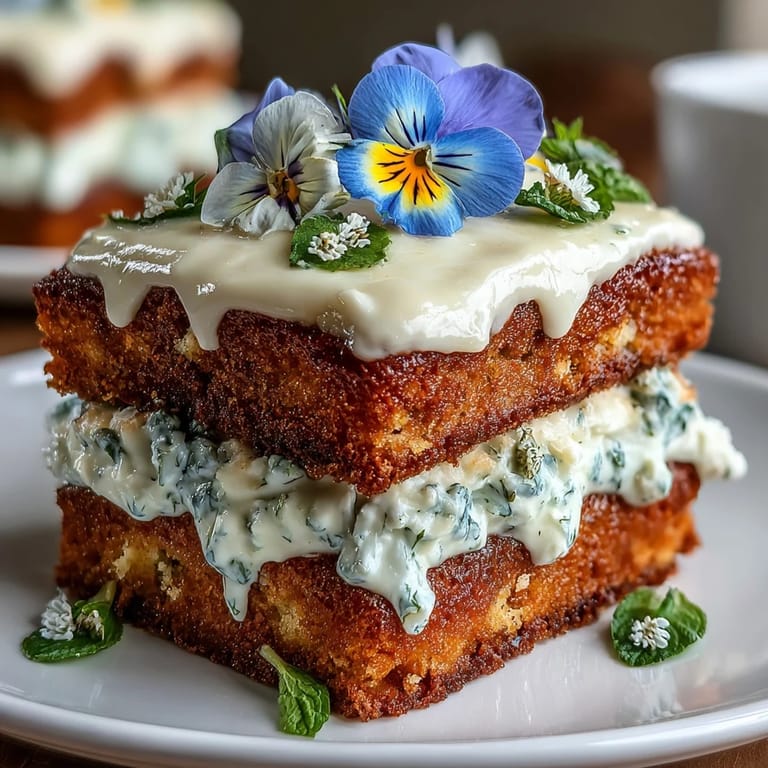
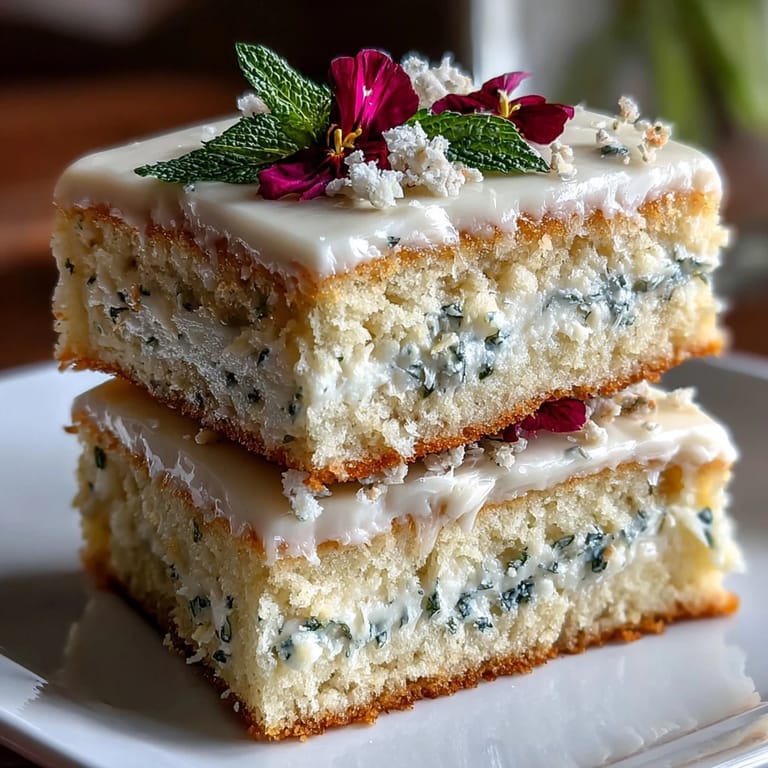
 My sister texted me a photo of her dream birthday cake—delicate, pastel, crowned with real flowers—and I stared at it thinking, this has to be possible at home. That afternoon, I found myself whisking butter and sugar in my kitchen, suddenly imagining six perfect little cakes instead of one sprawling layer cake, each one a tiny celebration all its own. Something about making multiple small cakes felt more intimate than baking one big one, like I was creating individual moments rather than a single centerpiece. The vanilla and lemon sponge came together so easily, and when those edible flowers arrived, everything clicked into place.
I brought these to my friend's surprise birthday gathering, and watching her face when she saw them lined up on the table—six little edible flower gardens—made me understand why people bother with fussy desserts. She picked one up carefully, almost reverently, and then laughed because she didn't want to disturb the flowers before tasting it. That's when I realized these cakes had done what they were meant to do: they made someone feel genuinely special.
Ingredients
- All-purpose flour: Use a reliable brand and measure by spooning into your measuring cup, not scooping straight from the bag, which compacts it and throws off your ratio.
- Baking powder: Check the date on your container—stale baking powder won't give you the lift these delicate cakes need.
- Unsalted butter: Room temperature is non-negotiable here; cold butter won't cream properly with the sugar, and you'll lose that light, tender crumb.
- Granulated sugar: This is your structure and sweetness; don't swap it for alternatives without adjusting liquid.
- Eggs: Room temperature eggs incorporate smoothly and create a more stable batter than cold ones straight from the fridge.
- Pure vanilla extract: The good stuff makes a real difference in something this simple; imitation will taste flat.
- Lemon zest: Microplane it fresh right before mixing—bottled zest loses its brightness.
- Whole milk: Room temperature milk prevents the batter from seizing up when you add it to the butter mixture.
- Powdered sugar: Sift it before using, or your buttercream will have tiny lumps that catch between your teeth.
- Heavy cream or milk: Use heavy cream for a richer, more stable buttercream, especially if your kitchen is warm.
- Edible flowers: Order from a trusted supplier or grow them yourself without pesticides; farmer's market flowers are often treated with chemicals not meant for eating.
Tired of Takeout? 🥡
Get 10 meals you can make faster than delivery arrives. Seriously.
One email. No spam. Unsubscribe anytime.
Instructions
- Ready your oven and sheet:
- Preheat to 350°F and line your baking sheet with parchment paper, pressing it into the corners so it stays flat. This prevents your cake from browning on the bottom edges where it touches the pan directly.
- Combine dry ingredients:
- Whisk flour, baking powder, and salt together in a bowl, breaking up any tiny clumps in the baking powder with the back of your whisk. This distributes the leavening evenly so you get an even rise.
- Cream butter and sugar:
- Beat them together for a full three minutes until the mixture is pale, fluffy, and noticeably lighter in color and texture. This incorporates tiny air bubbles that help your cake rise gently.
- Add eggs one at a time:
- Beat well after each egg, scraping down the bowl, so each one fully incorporates before you add the next. Rushing this step results in a batter that looks curdled and won't bake as evenly.
- Mix in vanilla and lemon zest:
- Stir these in gently just until combined, letting the lemon zest distribute throughout the batter.
- Alternate dry and wet ingredients:
- Add half the flour mixture, then the milk, then the remaining flour, mixing gently after each addition until just combined. This prevents overmixing and keeps your cake tender.
- Spread and bake:
- Pour the batter onto your prepared sheet and spread it evenly with an offset spatula so it bakes at the same rate across the whole pan. Bake for 18–22 minutes until a toothpick comes out clean.
- Cool completely:
- Let the cake cool on the pan for ten minutes, then turn it out onto a wire rack until it's room temperature. Assembling warm cakes causes buttercream to slide around.
- Cut out cake rounds:
- Using a 2.5–3 inch round cutter, press straight down without twisting so you get clean circles with no ragged edges. You need 12 rounds total for six stacked cakes.
- Make the buttercream:
- Beat softened butter until it's creamy and pale, about two minutes, then gradually add powdered sugar and vanilla, mixing until light and fluffy. Add milk one tablespoon at a time until you reach a spreadable consistency.
- Tint if desired:
- Add pastel food coloring a drop at a time and beat until the color is even throughout. Pastel shades look more elegant than bright colors.
- Assemble the cakes:
- Place one cake round on your plate, spread a thin layer of buttercream on top, then add a second round and another thin layer of buttercream. Think of it like you're gluing the layers together, not frosting a full cake.
- Decorate and chill:
- Crown each mini cake with a small swirl of buttercream and arrange edible flowers on top while the buttercream is still soft. Chill for at least 15 minutes so the buttercream sets and the flavors meld slightly.
 Pin It
 There's something about a cake that's just for one person, meant for one moment, that changes how it tastes. My nephew bit into his mini cake at his birthday lunch and closed his eyes, and I understood then that these little cakes were worth every minute of fussing over lemon zest and buttercream consistency.
The Secret to a Tender Crumb
These cakes stay delicate because the batter is thin—more like a quick bread batter than a typical layer cake batter—which means the crumb never becomes dense. Baking it on a sheet pan instead of in tall cake pans also helps, since the thin layer bakes through evenly without the center staying gummy while the edges overbake. The milk-to-flour ratio is carefully balanced; too much flour and your cakes become drying, too much milk and they turn out gummy.
Why Edible Flowers Actually Matter
I used to think edible flowers were pure decoration, a luxury that didn't change the taste, but then I noticed how their subtle flavors—the slightly peppery edge of nasturtiums, the mild earthiness of violas—actually complement the lemon and vanilla in the cake. They're not just sitting on top looking pretty; they're part of the flavor story. Plus, there's something psychologically satisfying about eating a real flower that you know is safe, something that feels almost magical in a way that fondant roses never will.
Timing and Storage
You can bake the sponge cake a full day ahead and store it in an airtight container at room temperature, which actually makes assembly easier because the cake is completely stable and won't crumble. Make the buttercream the morning of serving if possible, so it stays fresh and fluffy. Assemble the cakes no earlier than four hours before serving, and keep them in the refrigerator until the last moment so the buttercream stays firm and the flowers stay fresh.
- If you need to transport these, keep them in a shallow container in the coldest part of your car and assemble them at your destination if you can.
- Leftover cake scraps (and there will be some from cutting circles) crumble into cake pops, or you can eat them straight with a fork while standing at the kitchen counter like everyone does.
- These keep beautifully in the refrigerator for two days, though the flowers are loveliest on day one.
 Pin It
 These cakes turned out to be the kind of dessert people remember not because they're complicated, but because they taste like someone took time to make something lovely just for them. That's the whole point, really.
Recipe Questions & Answers
- → How do I ensure edible flowers are safe to use?
Always source edible flowers from reputable suppliers who guarantee they are food-safe and pesticide-free. Wash flowers gently before use.
- → Can I prepare the cakes ahead of time?
Yes, baking the layers in advance and assembling just before serving helps maintain freshness and texture.
- → What alternatives can I use for the buttercream?
A cream cheese or whipped cream frosting can be substituted, adding a different texture and tang to the layers.
- → How can I add extra flavor to the layers?
Brushing cake layers with citrus syrup before assembling enhances moisture and brightens the lemon notes.
- → Is it possible to tint the buttercream naturally?
Yes, using natural colorings like beet juice or turmeric powder can create pastel shades without artificial dyes.