 Pin It
 The other afternoon, the kitchen hummed with the sound of simmering syrup and clinking ice cubes as I set out to create my own brown sugar boba milk tea for the first time. The sharp aroma of black tea mingled unexpectedly with a caramelized sweetness that hung in the air, and I realized I was smiling without even thinking about it. Rolling the pearls between my palms reminded me more of playdough than precision cooking, which made the entire process feel surprisingly relaxing. With brown sugar bubbling away on the stove and beads of condensation slipping down the glass, my curiosity was piqued at how this homemade version might outshine the ones I’d splurged on at bubble tea shops.
I fondly recall the first time I served this milk tea to friends during a sticky July afternoon on my balcony. We balanced glasses on our knees, chasing rogue pearls with oversized straws, laughing as bits of ice clattered onto the floorboards. Everyone was delighted by the drama of syrupy streaks slowly sliding around the glasses. In that moment, the treat felt more like a lively event than just a drink.
Ingredients
- Tapioca starch: Using the right starch makes all the difference—potato or corn simply won’t yield those classic chewy pearls, and dusting prevents a gluey disaster.
- Brown sugar: Opt for dark brown sugar if you want deeper, molasses-like undertones in both pearls and syrup—light brown works in a pinch, but the flavor won’t be quite as bold.
- Black tea: I’ve found loose-leaf Assam or Ceylon makes the milk tea richer, but quality bags work fine if you’re short on time.
- Whole milk (or oat milk): I fell in love with the creaminess whole milk brings, but oat milk lends an even silkier finish for those who want dairy-free.
- Ice cubes: Don’t skip them—the shock of cold pulls everything together and balances out your homemade syrup.
Tired of Takeout? 🥡
Get 10 meals you can make faster than delivery arrives. Seriously.
One email. No spam. Unsubscribe anytime.
Instructions
- Form the Pearls:
- Stir brown sugar and water in a small saucepan just until the sugar is dissolved and wafts of caramel fill the kitchen. Swiftly mix in the tapioca starch until you have a sticky paste, then return to low heat, stirring until it clumps into a glossy, thick ball.
- Knead and Shape:
- Let the hot dough cool for a minute, then knead in extra tapioca starch so it stops sticking to your hands—this is oddly soothing, like kneading soft clay. Roll tiny balls between your palms, dusting with starch so they don’t fuse together.
- Boil the Pearls:
- Drop the pearls into vigorously boiling water and listen for the gentle plink as each one dives in. Let them bob and float for 20–25 minutes, stirring here and there, until they turn gloriously translucent and chewy.
- Make Brown Sugar Syrup:
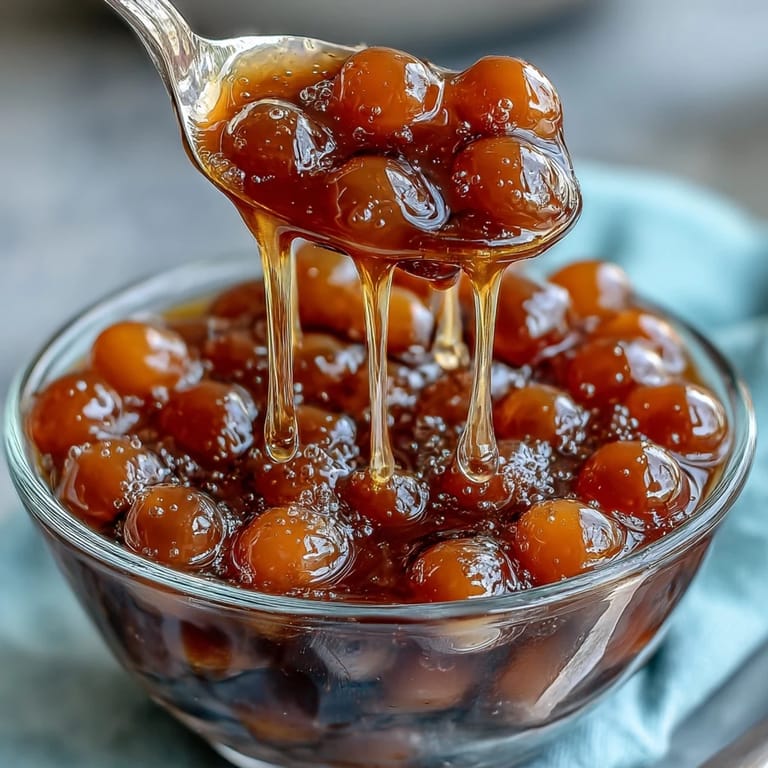
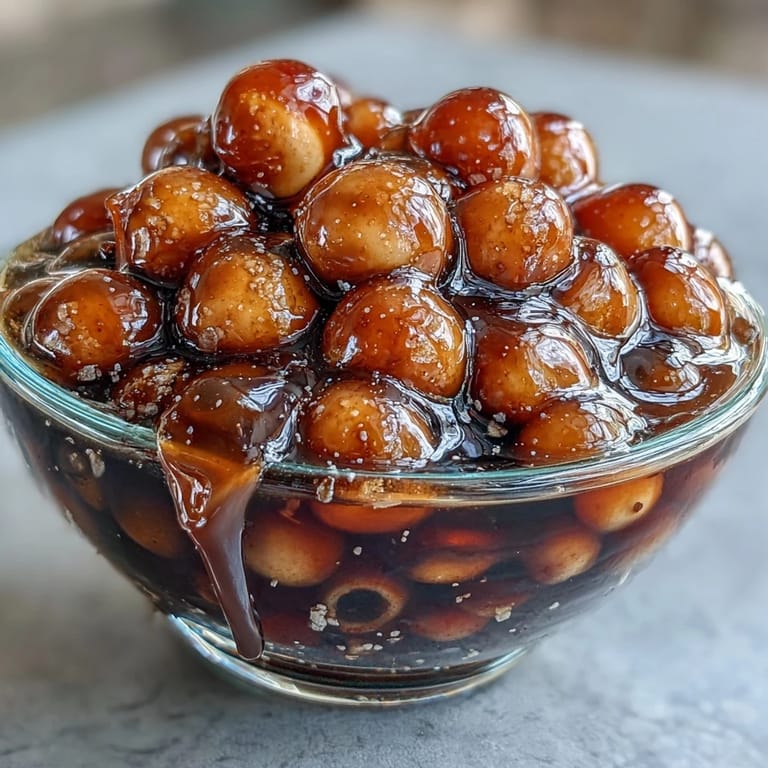
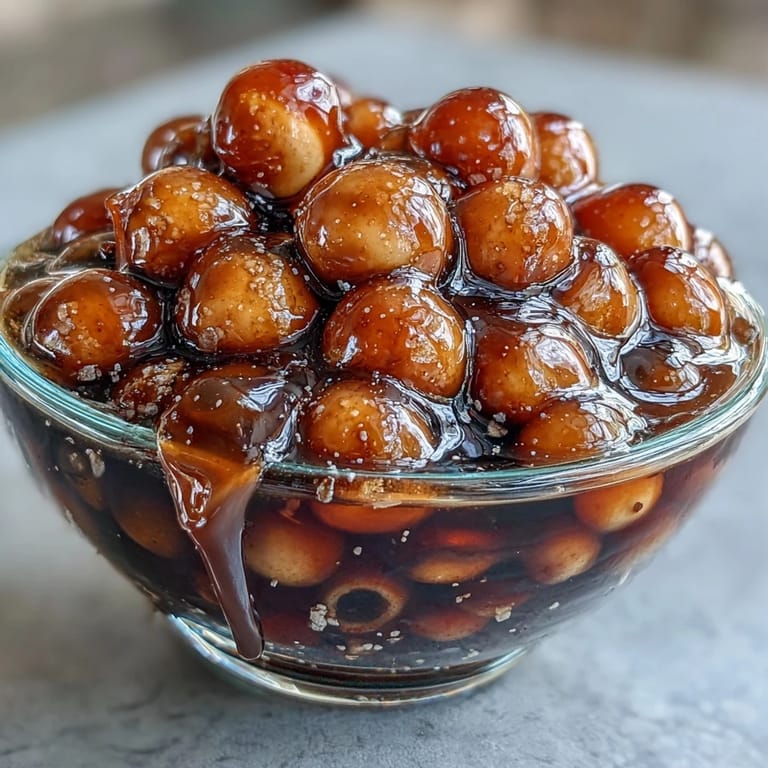
- Combine dark brown sugar and water in a saucepan over medium heat; after five minutes, the kitchen will smell like an old-fashioned candy shop. Toss drained pearls into the syrup and simmer another five minutes, letting them soak up that delicious richness—keep this mixture warm until ready to use.
- Brew the Milk Tea:
- Steep black tea in hot water for five to seven minutes until it turns a deep amber and tastes robust. Stir in a touch of brown sugar if you want added sweetness, then pour in milk; let it cool so it doesn’t melt the pearls on contact.
- Assemble and Serve:
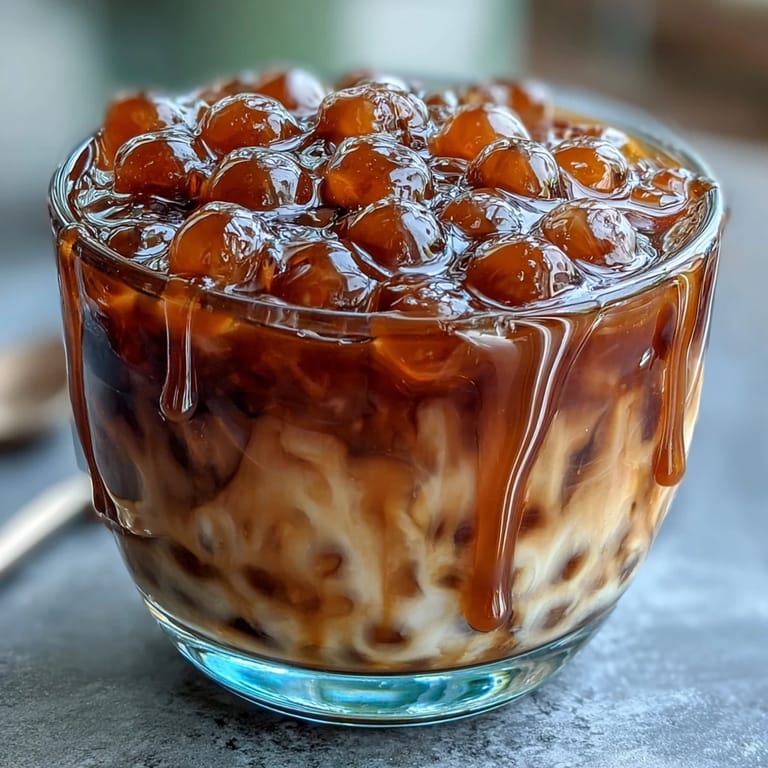
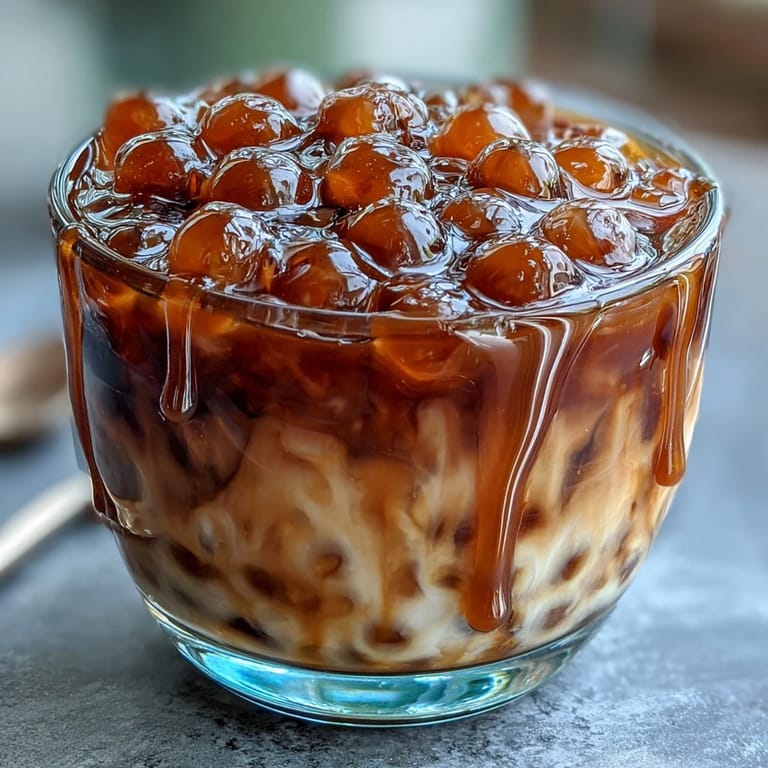
- Spoon generous scoops of syrupy pearls into tall glasses, then tilt and swirl to marble the insides with syrup. Add ice cubes, top with cool milk tea, and finish with a wide straw—give it a gentle stir and admire your handiwork.
 Pin It
  Pin It
 One afternoon, a friend dropped by unexpectedly, and I handed her a glass of this boba with only five minutes' warning; we both snorted with laughter as she tried to chase the slippery pearls, and it instantly turned a dreary day into something silly and comforting. That memory always reminds me: sometimes food really does become the highlight of an otherwise ordinary day.
Troubleshooting Sticky Pearls
The first time I tried rolling the pearls, they stubbornly merged back together no matter how carefully I separated them. I soon realized a light dusting of starch between my hands (and across the tray) was the secret to keeping each pearl perfect and distinct.
Can You Prep In Advance?
While fresh pearls taste best, you can make a batch of them and store them in their syrup at room temperature for a few hours. Serving later, just rewarm briefly in their syrup for a texture close to fresh-made.
How to Customize Your Milk Tea
Over time, I’ve played with different teas (jasmine, oolong) and milk alternatives to keep things interesting—each brings its own twist. If you want to go all out, try layering a little foam on top for a café-style finish.
- Try matcha milk in place of traditional black tea for earthy freshness.
- Add a pinch of sea salt to the syrup for an elevated, less-sweet experience.
- Don’t forget to use wide straws—for true boba bliss, pearls shouldn’t get stuck halfway up!
 Pin It
  Pin It
 There’s a certain joy in watching boba pearls dance up a wide straw that never gets old. I hope you have as much fun slurping your creation as I did making mine.
Recipe Questions & Answers
- → How long should I boil the tapioca pearls?
Boil fresh pearls for 20–25 minutes, stirring occasionally so they don’t stick. After boiling, cover and let them rest off heat for about 10 minutes to finish cooking through, then rinse briefly under cold water before adding to syrup.
- → Can I make this with plant-based milk?
Yes. Oat or almond milk works well and keeps the drink creamy. Use a slightly sweeter milk or add a touch more brown sugar if you prefer a richer finish, as some plant milks taste milder than whole milk.
- → What prevents the pearls from clumping together?
Dust rolled pearls lightly with tapioca starch before boiling and stir them during the first few minutes of cooking. After cooking, rinse in cold water and transfer to warm syrup to coat them—this helps keep them separate and glossy.
- → How can I make the tea stronger without bitterness?
Steep black tea for 5–7 minutes for bold flavor, then remove the leaves or bags to avoid bitterness. For extra strength without astringency, use loose-leaf black tea and monitor steep time; a slightly cooler water temperature can also reduce harshness.
- → How long do cooked pearls stay at their best?
Cooked pearls are best within a few hours. Keep them warm and submerged in brown sugar syrup at room temperature for up to 4 hours; refrigerated pearls will firm and lose chew, so reheat gently in warm syrup if needed.
- → Can I substitute other sugars for the dark brown sugar?
Dark brown sugar gives a deep, molasses-like flavor and dark color. Light brown or cane sugar will work but yield a milder caramel note. Adjust simmering time to deepen flavor and watch closely to prevent burning.