 Pin It
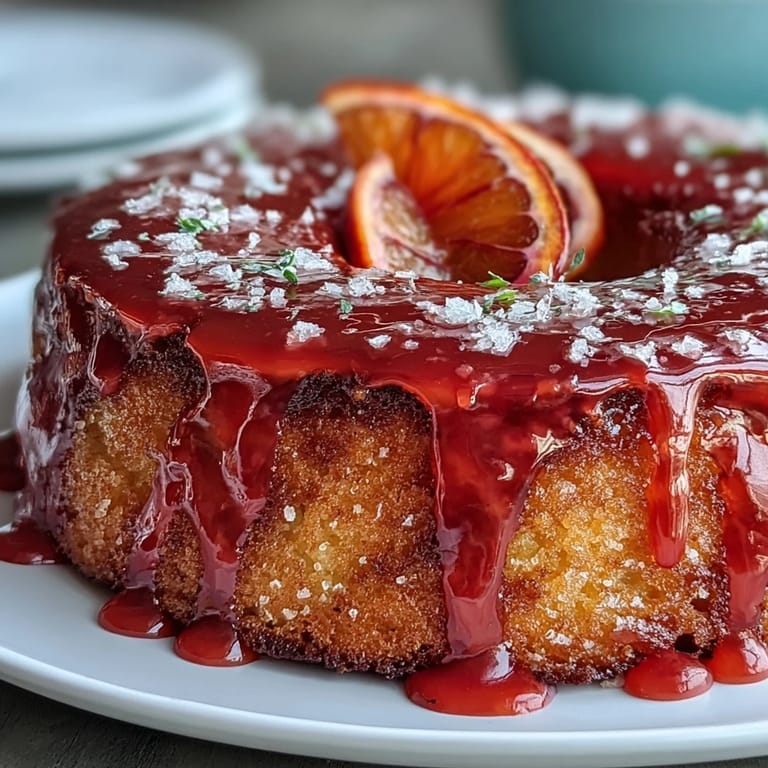
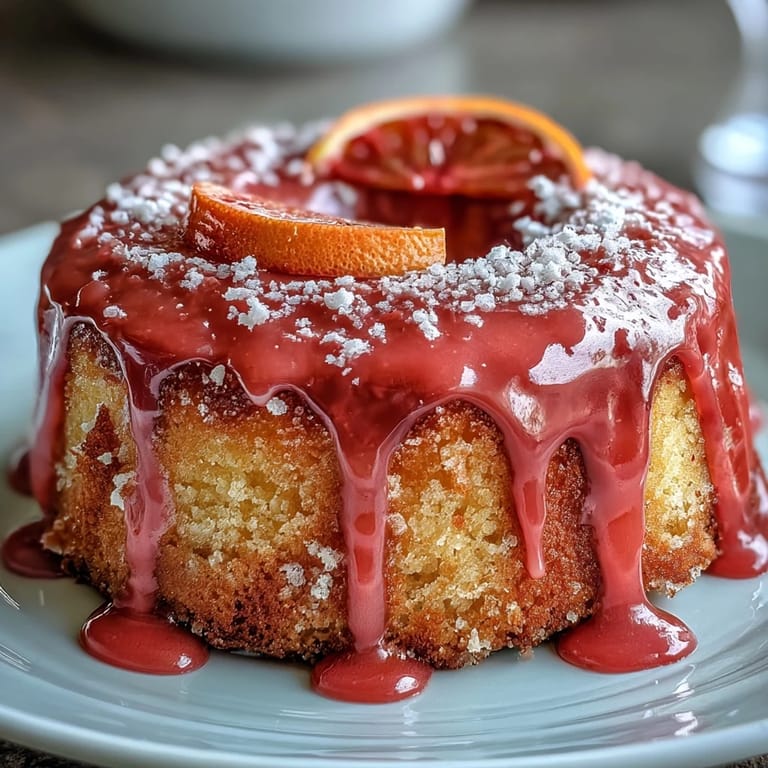
 The first time polenta met blood oranges in my kitchen, it wasn't planned. The winter sun was shining, and a bowl of blushing blood oranges on my counter demanded to be used for something special. There was a certain hypnotic quality to the scent as I zested those oranges, brightening the entire room. I reached for the polenta, hesitating for a second—curious about how its golden grit would behave in cake. That question vanished with the first slice: moist crumb, citrusy aroma, and a glaze as vivid as a sunset.
One afternoon, I baked this cake for friends coming over after a long hike. The whole kitchen glowed with that citrus scent, and someone joked the cake looked almost too pretty to eat with its pink glaze. We lingered around the table, forks clinking, passing stories—every slice seemed more cheerful than the last. Even my neighbor, who claimed not to like cake, went back for seconds. It was an instant table-top favorite, the kind you want to share when good company gathers.
Ingredients
- Unsalted butter: Softened butter guarantees a light and creamy base for the batter—leave it out to come to room temperature well before you begin.
- Caster sugar: Fine sugar blends in easily for a tender crumb, but I’ve found a quick blitz in the blender smooths out regular sugar if needed.
- Eggs (large): Room temperature eggs prevent curdling and help the batter whip up more smoothly.
- Blood orange zest and juice: The real star—look for fruit that feels heavy for its size, which promises juicy flesh.
- Fine polenta (cornmeal): Choose polenta labeled as ‘fine’ for a delicate, successfully moist texture—coarse types won’t blend in as well.
- Ground almonds: Almonds add sumptuous moisture and subtle flavor, and I find toasting them gently first gives a warm, nutty edge.
- Gluten-free baking powder: The right rise depends on it—check labels to be certain there’s no sneaky gluten hiding inside.
- Pinch of salt: Just a tiny amount makes all the flavors pop.
- Vanilla extract: Rounds out the citrus so every bite is balanced and fragrant.
- Powdered sugar (for glaze): Sifting removes those stubborn little lumps, ensuring a glossy, smooth finish.
- Slices of blood orange and edible flowers (optional): For that wow effect—perfect when you want to impress, though just as delicious without.
Tired of Takeout? 🥡
Get 10 meals you can make faster than delivery arrives. Seriously.
One email. No spam. Unsubscribe anytime.
Instructions
- Ready the Tin:
- Preheat your oven to 170°C (340°F). Butter the cake tin well and line it with parchment—it’s the simple move that guarantees your cake slips out perfectly golden.
- Cream the Butter and Sugar:
- With a mixer (or vigorous wrists), beat together butter and sugar until fluffy and pale, thinking of whipped clouds and breathing in sweet air.
- Add Eggs:
- Beat in eggs one by one, scraping the bowl down as you go—the batter may look slightly curdled, but don’t be alarmed.
- Zest and Vanilla:
- Stir in the bright blood orange zest and vanilla; the fragrance should make you pause and smile.
- Mix Dry Ingredients:
- Combine fine polenta, ground almonds, baking powder, and salt in a separate bowl, listening as the grainy polenta rustles.
- Marry Wet and Dry:
- Add the dry mix to the creamed batter and gently fold with a spatula, just until it’s nearly blended.
- Juice Boost:
- Pour in the blood orange juice, folding once more so everything just comes together—don’t overmix or the crumb might be tough.
- Bake Time:
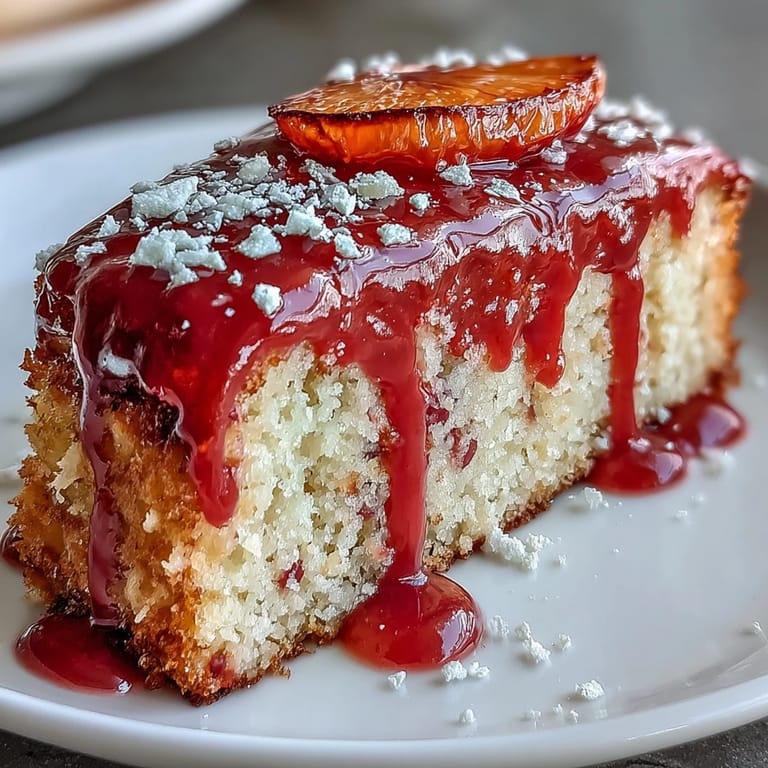
- Spread the batter into the tin, smoothing the top—bake 40 to 45 minutes, or until golden and a skewer poked into the center comes out clean.
- Cooling Off:
- Let the cake rest in its tin for 10 minutes before turning onto a rack; the quiet wait is worth it for a good release.
- Make the Glaze:
- Sift the powdered sugar, then slowly stir in blood orange juice until you have a dreamy pink, thick but pourable drizzle.
- Decorate:
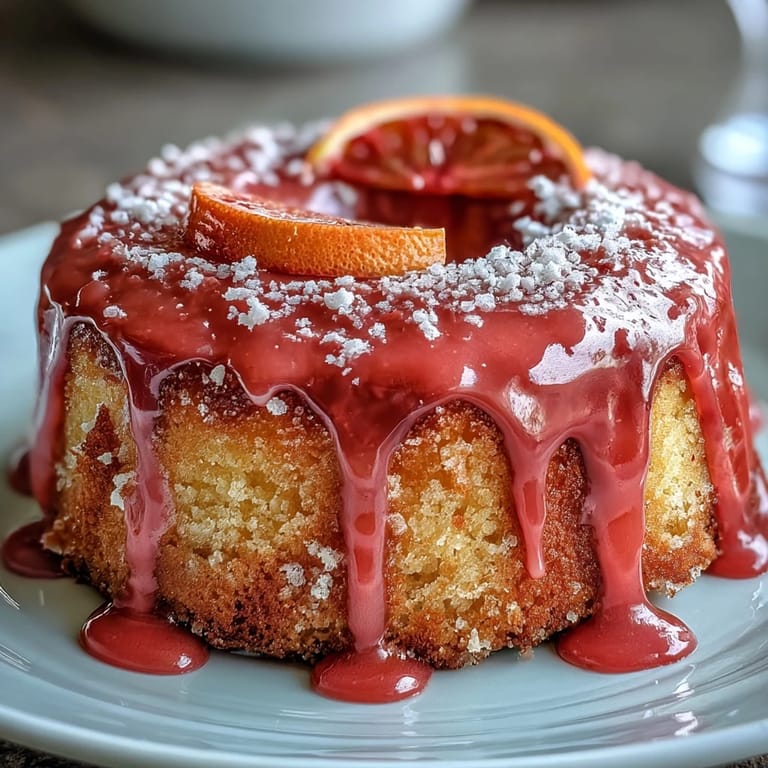
- Once the cake is completely cool, artfully drizzle with glaze so it trickles down the sides, topping with blood orange rounds or edible flowers for a dramatic finish.
 Pin It
  Pin It
 The almost magical thing about this cake is how it can instantly lift a rainy afternoon. When I brought it to a friend stuck home with a cold, we sat by the window, splitting thick slices, the sweet citrus cutting through the gloom—it was pure edible brightness.
A Little About Blood Oranges
Blood oranges aren’t just beautiful—they lend a gentle tang and ruby hue to the whole cake. Use them at their peak, when the skin is mottled and slightly soft, for the boldest flavor and color.
Choosing the Right Pan
I’ve tried this cake in a few pans, and the 20 cm (8-inch) round tin gives the perfect height and texture. Loose-bottomed tins release the cake more easily, especially if you like a thicker glaze dripping down the sides.
Finishing Touches That Make It Yours
Don’t hesitate to swap the edible flowers for a scattering of chopped pistachios, or try a little whipped cream instead of yogurt for serving—there’s plenty of room for playing around.
- If using regular oranges, add a bit of beet juice to the glaze for color.
- Store leftover cake in an airtight tin; it stays delicious for up to three days.
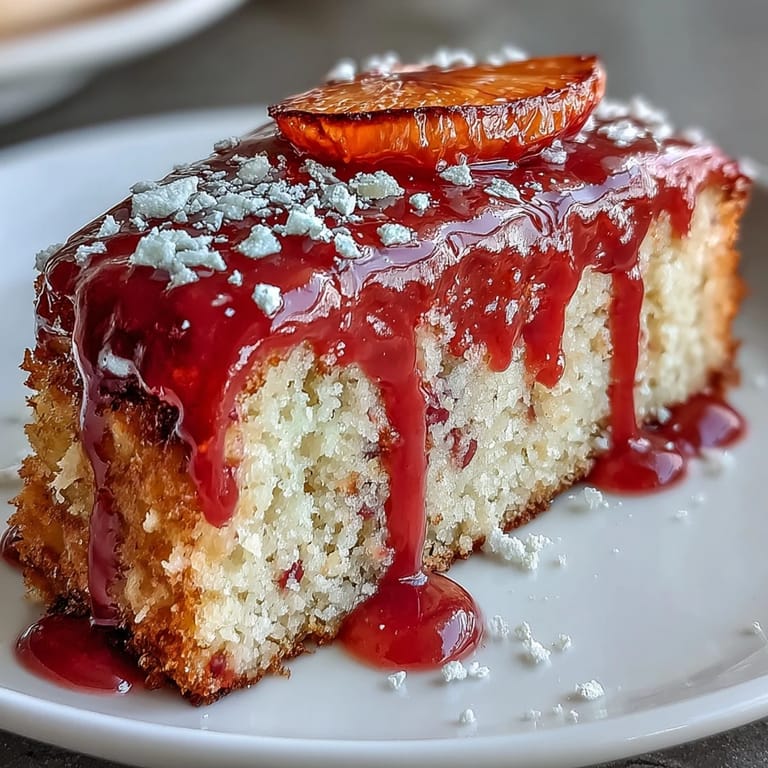
- Let the glaze set fully before slicing for clean, photogenic cuts.
 Pin It
  Pin It
 Cake feels better when shared—especially when each bite looks as cheerful and sunlit as this one. Here’s to bright flavors and bitesize moments that linger long after dessert.
Recipe Questions & Answers
- → Can I use regular oranges instead?
Yes — swap blood oranges for regular oranges for the same citrus lift. The glaze will be paler and less pink, but the moistness and flavor remain similar.
- → What type of polenta works best?
Use fine polenta (very fine cornmeal) for a tender crumb. Coarser polenta adds texture but can make the cake grainier.
- → How do I keep the cake extra moist?
Brush the warm cake with additional blood orange juice or a light syrup before glazing. Folding in the juice gently prevents a dense batter and preserves moisture.
- → Are ground almonds interchangeable?
Blanched almond meal gives the best texture and subtle richness. Finely ground whole almonds work, but avoid coarse almond pieces unless you want extra bite.
- → How should I store leftovers?
Keep the cake covered at room temperature for up to 2 days, or refrigerate in an airtight container for 3–4 days. Bring to room temperature before serving for best texture.
- → How do I get a smooth pink glaze?
Sift powdered sugar, then add strained blood orange juice a little at a time until thick and pourable. Straining removes pulp and yields an even rosy finish.