 Pin It
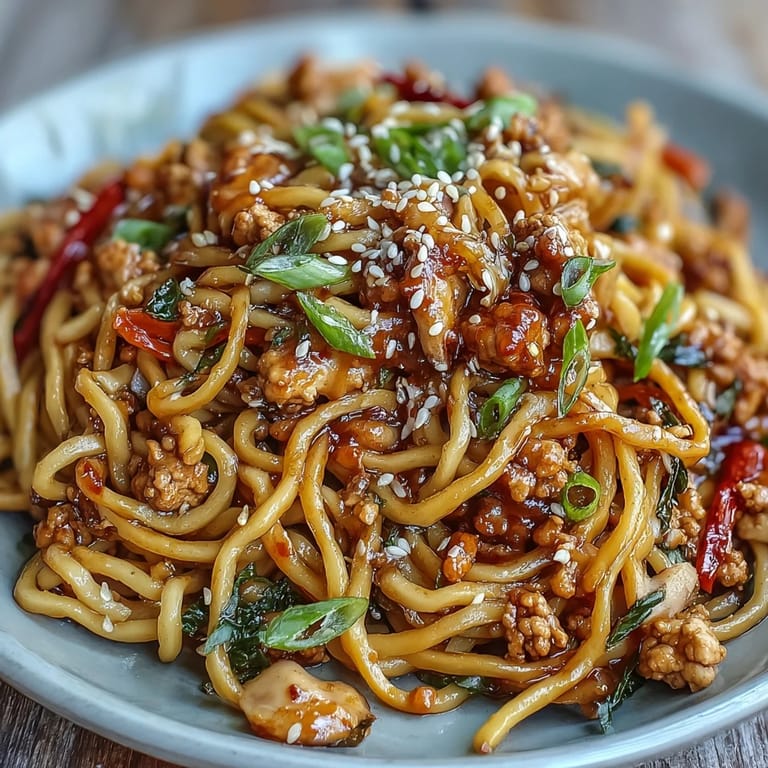
 My coworker Sarah brought these noodles to our office potluck one Thursday, and I watched three people go back for seconds before I even got near the bowl. She shrugged when I asked for the recipe, saying she'd thrown it together from whatever was in her pantry that morning, but the magic was unmistakable—tender ground turkey, vegetables that still had a little snap to them, and this sauce that tasted like someone had bottled Korean comfort food. Now I make it almost every other week when I need dinner on the table fast and want something that feels intentional.
Last spring I made this for my sister's surprise dinner after she got promoted, and she took one bite and got quiet in that way that means something just landed right. Her partner asked for the recipe that same night, and now I joke that I accidentally created a dinner tradition I can't take credit for. There's something about sharing food that tastes like it took more effort than it actually did that makes people feel genuinely cared for.
Ingredients
- Fresh or dried wheat noodles (300 g): Fresh udon or ramen noodles will give you the best bounce and texture, but dried work beautifully too—just don't skip the cold water rinse or they'll stick together in clumps.
- Soy sauce (3 tbsp): The backbone of the sauce, bringing saltiness and depth that makes everything taste intentional and developed.
- Gochujang, Korean chili paste (2 tbsp): This is the ingredient that transforms the dish from ordinary to memorable—it's spicy, savory, and slightly funky in the best way, so don't be tempted to skip it or substitute with regular chili powder.
- Brown sugar (1 tbsp): A touch of sweetness that balances the heat and salt, creating sauce that's complex rather than one-dimensional.
- Rice vinegar (1 tbsp): Adds brightness and prevents the sauce from feeling heavy or cloying.
- Sesame oil (1 tbsp): Use the toasted kind for maximum flavor—this small amount transforms the entire dish with its warm, nutty aroma.
- Ground turkey (400 g): Lean, quick-cooking, and absorbs the sauce beautifully; make sure it's not too finely ground or it'll turn mushy.
- Vegetable oil (2 tbsp): Neutral oil that won't compete with the Korean flavors you're building.
- Garlic and ginger (3 cloves and 1 tbsp minced): This aromatic foundation should hit your nose the moment they hit the hot pan—that's how you know you're on the right track.
- Yellow onion (1 medium, thinly sliced): Caramelizes slightly and provides sweetness that melts into the sauce.
- Carrot (1 medium, julienned): Adds color, subtle sweetness, and that crucial textural variety that keeps each bite interesting.
- Red bell pepper (1 medium, thinly sliced): Raw or just-cooked pepper brings crunch and brightness without overwhelming the plate.
- Shiitake mushrooms (100 g, sliced): These earthy, meaty mushrooms add umami depth that makes the dish feel more restaurant-quality than home-cooked.
- Spring onions (2, sliced): Fresh, sharp, and slightly peppery—they're your last-minute flavor jolt that prevents everything from tasting cooked.
- Toasted sesame seeds (1 tbsp): The final garnish that says you cared enough to finish properly.
Tired of Takeout? 🥡
Get 10 meals you can make faster than delivery arrives. Seriously.
One email. No spam. Unsubscribe anytime.
Instructions
- Get your noodles ready:
- Cook them in salted boiling water according to the package, drain, and rinse with cold water so they stop cooking and don't clump together in a sad mass. Set them aside and let them sit while you handle everything else.
- Mix your sauce while you have a free moment:
- Whisk soy sauce, gochujang, brown sugar, rice vinegar, and sesame oil in a small bowl until the paste is dissolved and everything's integrated. Taste it—it should taste bold, slightly thick, and ready to coat noodles.
- Brown the turkey:
- Heat 1 tbsp vegetable oil in your largest wok or skillet over medium-high heat until it shimmers, then add ground turkey and break it apart with your spoon as it cooks. You're looking for no pink remaining and a slight caramelization around the edges, which takes about 5 minutes—don't rush this step because it builds flavor.
- Build your vegetable flavor base:
- Add the remaining 1 tbsp oil to the empty pan, let it heat for 10 seconds, then add minced garlic and ginger and let them sizzle until your kitchen smells incredible—about 30 seconds. Immediately add your onion, carrot, bell pepper, and mushrooms, stirring constantly so nothing sticks or burns.
- Stir-fry until vegetables are just tender:
- Keep the heat high and toss everything for 3 to 4 minutes—you want vegetables that still have a little resistance when you bite them, not soft or limp. If anything starts sticking to the bottom, splash in a tiny bit of water and scrape it up.
- Bring it all together:
- Return the cooked turkey to the pan, add your cooled noodles and that sauce you made earlier, then toss everything constantly over high heat for 2 to 3 minutes. You're looking for noodles that are glossy and coated, and a pan that smells undeniably amazing.
- Finish with fresh elements:
- Stir in your sliced spring onions at the very last second so they stay bright and sharp, not wilted and sad.
- Plate and celebrate:
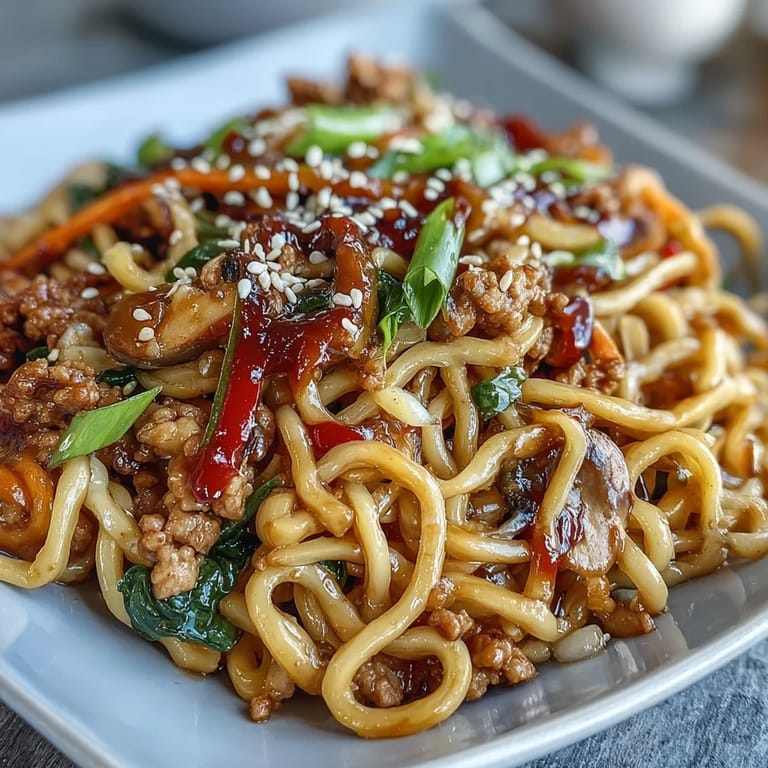
- Divide among bowls and shower with toasted sesame seeds and extra spring onions while everything's still steaming hot.
 Pin It
 The first time I made this for myself alone on a particularly exhausting Tuesday, I sat at my kitchen counter and realized I'd forgotten to be stressed about the day the moment that first forkful hit my mouth. Food that tastes this good and arrives this quickly somehow has the power to recalibrate everything.
Why This Becomes a Go-To Dish
This recipe exists in that sweet spot between effort and reward that keeps home cooks actually cooking instead of defaulting to delivery apps. You're not standing over a stove for an hour, but what comes out tastes intentional and cared-for, which is exactly the kind of magic that gets people excited about eating at home. The sauce does most of the heavy lifting flavor-wise, so even if you're not the most confident cook, you'll end up with something that tastes like you knew what you were doing.
Adjusting Heat to Your Preference
The heat level here is moderate—warming but not dangerous—which means most people can eat it without needing a glass of milk afterward. If your household prefers gentler flavors, you can reduce the gochujang to 1.5 tbsp and add an extra half-tablespoon of brown sugar to balance everything. Conversely, if you and your dinner guests are heat enthusiasts, add a sliced fresh chili or a dash of chili flakes at the same moment you add the gochujang, so it blooms into the sauce.
Making It Your Own
The beauty of this dish is that it's structured enough to taste intentional but flexible enough that you can swap vegetables based on what's in your crisper drawer. I've made it with baby spinach tossed in at the end, with snap peas for crunch, with zucchini when I had it, and honestly, every version has been genuinely delicious. Ground chicken works beautifully if turkey isn't what you're buying that week, and beef would give you something slightly richer and more substantial if that's more your style.
- Serve with a side of kimchi to add another layer of funk and authenticity to the meal.
- A cold light lager or chilled soju pairs beautifully and cuts through the richness without overwhelming the delicate flavors.
- Leftover noodles reheat surprisingly well in a hot pan with a splash of water, making this genuinely one of your best lunch options.
 Pin It
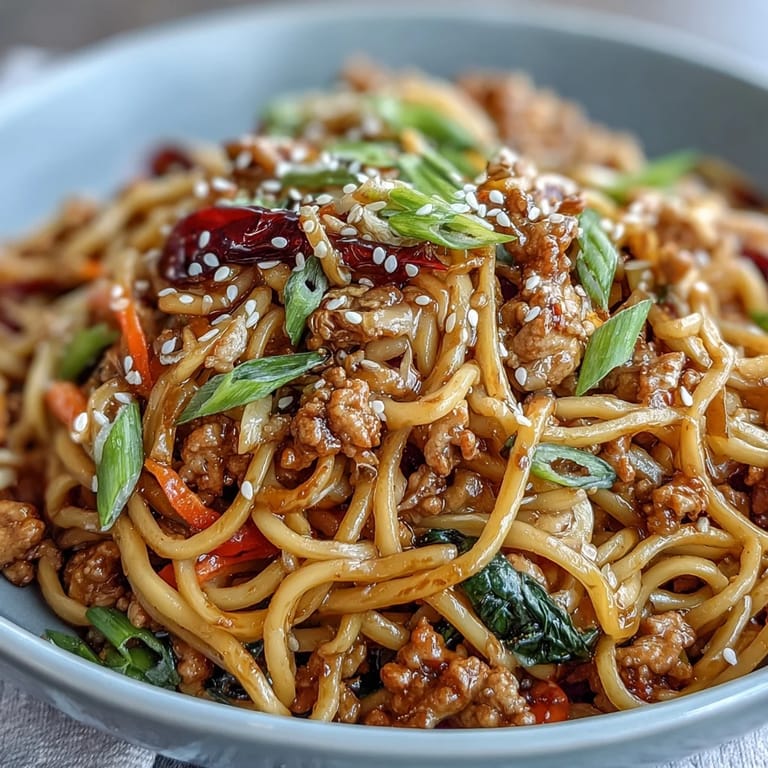
 This is the kind of recipe that quietly becomes a permanent fixture in your cooking rotation because it delivers every single time without asking for much in return. Make it for yourself on hard days, make it for people you want to impress, make it because you're hungry and the clock is ticking—it works for all of it.
Recipe Questions & Answers
- → Can I use ground chicken or beef instead of turkey?
Yes, ground chicken or beef work beautifully in this dish. Both proteins absorb the Korean-style sauce well and cook in about the same time as turkey. Chicken will be slightly milder in flavor, while beef adds extra richness.
- → What type of noodles work best?
Udon or ramen noodles are ideal because they hold up well during stir-frying and have a satisfying chew. Fresh wheat noodles cook quickly, but dried noodles work too—just boil them until al dente before adding to the pan.
- → How spicy is this dish?
The heat level is moderate and adjustable. Gochujang provides a mild to medium kick with rich fermented flavor. For more spice, add fresh chili slices or red pepper flakes. Reduce the gochujang slightly for a milder version.
- → Can I make this ahead of time?
The sauce can be mixed up to 3 days ahead and stored refrigerated. The dish is best enjoyed fresh, but leftovers keep well for 2–3 days. Reheat gently in a pan with a splash of water to refresh the noodles.
- → What vegetables can I add?
Zucchini, snap peas, spinach, or bok choy make excellent additions. Add quick-cooking greens like spinach during the final minute of tossing. Harder vegetables like broccoli should be stir-fried a bit longer with the carrots.
- → Is this dish gluten-free?
As written, it contains gluten from the wheat noodles and soy sauce. To make it gluten-free, use rice noodles or soba made from 100% buckwheat, and substitute tamari or coconut aminos for the soy sauce. Always check gochujang labels as some brands contain wheat.