 Pin It
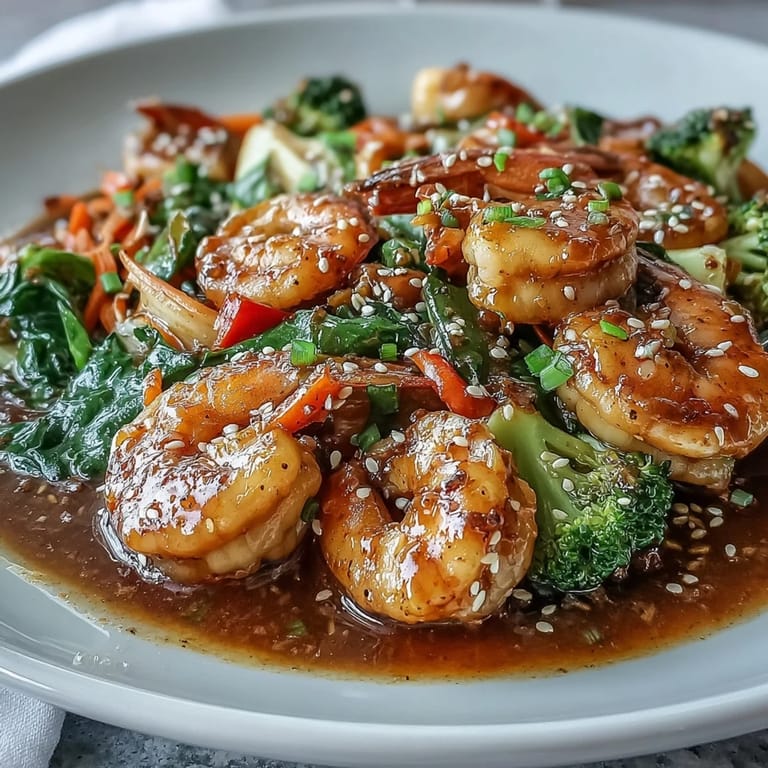
 My wok sits by the kitchen window, and on nights when I'd catch the smell of garlic hitting hot oil, I knew dinner was happening fast. This shrimp stir-fry came to life during a phase when I was trying to eat better but couldn't sacrifice flavor—turns out you don't have to choose. The beauty of this dish is that it tastes like you've been cooking all day, when really you're standing there for twenty minutes tops, watching vegetables go from raw to perfectly snappy.
I made this for my partner on a Thursday when we both got home exhausted, and somehow the sizzle and steam and that golden-brown shrimp turned the whole mood around. We ate standing at the counter, not bothering with plates, and it became one of those meals that makes you remember why cooking matters.
Ingredients
- Large shrimp (1 lb, peeled and deveined): The stars of the show—buy them as fresh as you can find, and pat them dry before cooking because moisture is the enemy of that perfect sear.
- Red and yellow bell peppers: Slice them thick enough to stay crisp, thin enough to cook through; they'll add sweetness and that satisfying crunch.
- Small broccoli crown: Cut the florets small so they cook evenly and don't turn mushy before the shrimp even finishes.
- Medium carrot (julienned): The thin cuts matter here—this way it stays tender but keeps its texture.
- Sugar snap peas: These stay crisp almost no matter what, so don't stress; just trim the stem end.
- Green onions: Use them raw at the end; they brighten everything and remind you this is supposed to feel fresh.
- Low-sodium soy sauce: Three tablespoons gives you salt without drowning the dish; taste as you go if you're unsure.
- Oyster sauce (optional): This adds depth and a little umami; skip it if you're keeping things vegetarian or vegan.
- Sesame oil: Two teaspoons is enough—too much and it tastes like a perfume factory, too little and you lose the nutty magic.
- Honey or brown sugar: A touch of sweetness balances the salty-savory, but don't overdo it.
- Rice vinegar: One tablespoon cuts through richness and keeps the sauce from feeling heavy.
- Cornstarch and water: This thickens the sauce so it clings to everything instead of pooling at the bottom.
- Vegetable oil: Canola or peanut oil handles high heat without smoking and lets the other flavors shine.
- Fresh garlic and ginger: Mince the garlic fine and grate the ginger on a microplane if you have one; it releases the oils better.
- Sesame seeds and cilantro: Both optional but worth it—they're the final note that makes people ask what you did differently.
Tired of Takeout? 🥡
Get 10 meals you can make faster than delivery arrives. Seriously.
One email. No spam. Unsubscribe anytime.
Instructions
- Whisk the sauce first:
- In a small bowl, mix soy sauce, oyster sauce, sesame oil, honey, rice vinegar, cornstarch, and water until smooth—no lumps, because cornstarch hates surprises. This takes two minutes and changes everything; your sauce is ready to go the moment you need it.
- Dry your shrimp:
- Pat them with paper towels and season with a pinch of salt and pepper. Wet shrimp steam instead of sear, so this step isn't optional no matter how rushed you are.
- Get the wok or skillet screaming hot:
- Heat one tablespoon of oil over medium-high heat until you see the first wisp of smoke. You want to hear that aggressive sizzle when the shrimp hits the pan.
- Cook the shrimp until just pink:
- Lay them in without moving them for the first minute, then stir for another minute or two until they're opaque and curled slightly. This takes maybe three minutes total; overcooking ruins everything, so stay close.
- Set the shrimp aside:
- Move them to a plate and don't wash the pan—that browned stuff left behind is flavor.
- Blooming aromatics:
- Add the remaining tablespoon of oil, then immediately add minced garlic and grated ginger. Thirty seconds is all you need; you're looking for that nutty, fragrant smell that fills your whole kitchen.
- Stir-fry the vegetables:
- Toss in the peppers, broccoli, carrots, and snap peas all at once. Keep everything moving for three to five minutes—you want crisp-tender, not soft, which means the vegetables should still have a tiny bit of resistance when you bite them.
- Bring it all back together:
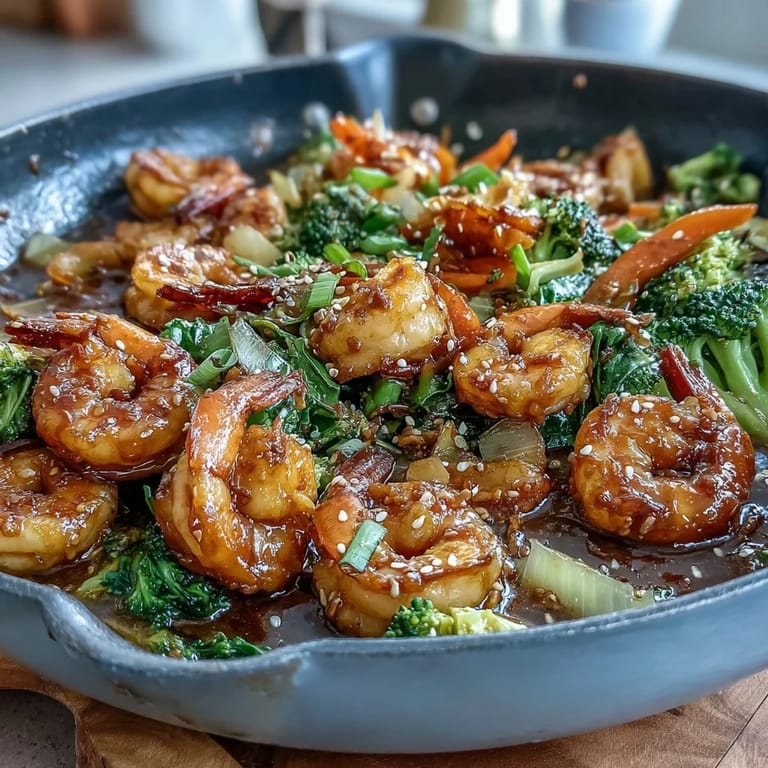
- Return the shrimp, add the sliced green onions, then pour in that sauce you made earlier. Stir constantly for two to three minutes while everything coats and the sauce thickens and becomes glossy.
- Taste and adjust:
- Sometimes you need a splash more soy sauce or a drizzle more sesame oil—this is when you figure out what your palate wants.
- Garnish and serve:
- Sprinkle sesame seeds and fresh cilantro on top, then get it to the table while it's still steaming hot.
 Pin It
 There's a moment right at the end when the sauce coats everything and the shrimp goes back in, and the whole pan suddenly smells like a restaurant—that moment made me understand why people cook.
The Secret of Heat Control
Stir-fry lives and dies by temperature, and I learned this the hard way by making a wet, sad pile of vegetables once. The heat has to be high enough that things sear and stay firm, not low enough that they just steam in their own moisture. Your burner should be on medium-high, and if you hear consistent sizzling (not just occasional pops), you're in the right zone. Cold pans make rubbery shrimp and soggy vegetables, so let that pan get properly hot before anything touches it.
Timing and Texture Are Everything
This entire dish happens in the span of twenty minutes, which means you can't wander off to check your phone or set up the table. Prep everything before you start cooking—have your vegetables sliced, your sauce whisked, your shrimp patted dry—because once the heat comes on, you're committed. The magic happens because everything goes in at exactly the right moment and stays there just long enough. Each ingredient gets maybe five minutes total in the pan, which keeps colors bright and textures alive.
What to Serve It With and When
Steamed rice is the classic move, or you could use noodles if you want something that catches more sauce. Some nights I use jasmine rice because the floral note plays nice with the ginger, and other nights I grab whatever's in the pantry because honestly, the stir-fry itself is filling enough. The real question is whether you eat it immediately or let it cool slightly—I've found hot rice absorbs the sauce better, so get that going first or at least get water boiling before you start cooking the vegetables.
- Jasmine rice pairs with the ginger in ways that feel almost intentional.
- Noodles catch sauce better and make the whole dish feel more indulgent.
- Serve it the second it's done because waiting makes everything go slightly wrong.
 Pin It
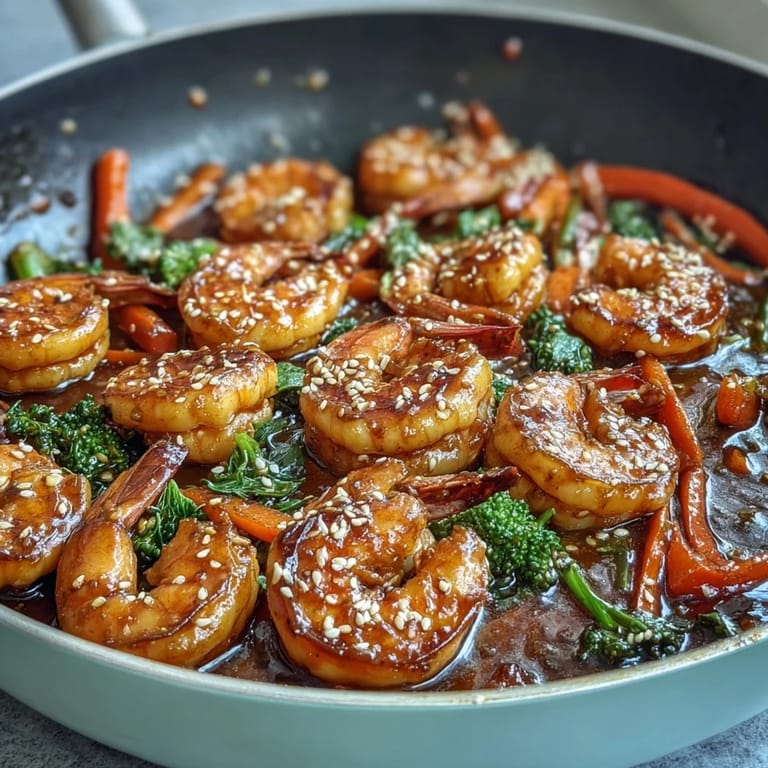
 This stir-fry lives in that sweet spot where cooking feels fast but tastes intentional, where you're standing right there watching it happen and still getting a real dinner on the table. Once you make it a few times, it becomes the meal you make when you want to eat well but have zero patience for fussing.
Recipe Questions & Answers
- → How can I ensure the shrimp stays juicy?
Pat the shrimp dry before cooking and avoid overcooking by stir-frying briefly until just pink.
- → What vegetables work best in this stir-fry?
Bell peppers, broccoli, carrots, sugar snap peas, and green onions provide a crisp-tender texture and vibrant colors.
- → Can I adjust the sauce for dietary preferences?
Yes, use tamari for gluten-free and skip oyster sauce for vegetarian options without compromising flavor.
- → How do I add more heat to this dish?
Incorporate red pepper flakes or sliced fresh chili peppers during the sauté step for a spicy kick.
- → What are good serving suggestions for this dish?
Serve immediately with steamed rice or noodles to complement the savory shrimp and vegetable mixture.