 Pin It
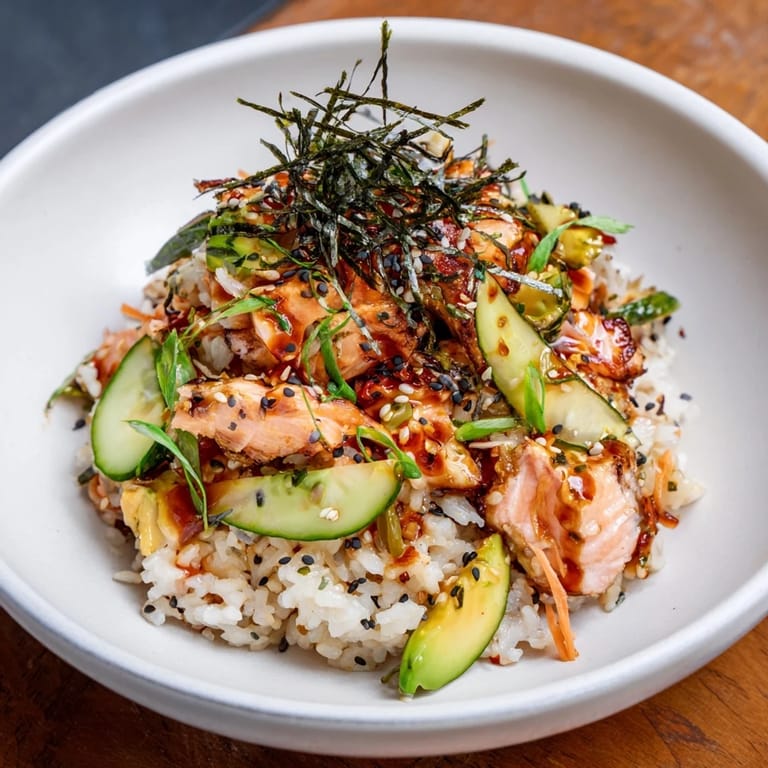
 My neighbor once told me that reheating rice with an ice cube sounded like witchcraft, but after one taste of her leftover rice bowl, I never doubted her again. This Japanese-style salmon and chicken rice bowl came into my life during a week when I was too tired to think but too hungry to settle for cereal. The colors alone—pink salmon, golden chicken, bright green avocado—snapped me out of my kitchen fog. Now it's the meal I make when I want something that feels indulgent but comes together faster than delivery.
I made this for my sister after she moved into her first apartment with no furniture and only a rice cooker. We sat on the floor with our bowls balanced on cardboard boxes, and she said it tasted like the kind of meal that makes a new place feel like home. The soy-mirin marinade clung to the chicken in a way that made every bite glossy and a little sweet, and the salmon flaked apart so tenderly we didn't even need chopsticks. That night, with sesame seeds stuck to our fingers, we decided some recipes aren't just food—they're the start of new rituals.
Ingredients
- Skinless salmon fillets: Choose fillets that are bright and smell like the ocean, not fishy, and don't overcook them or they'll turn dry and chalky.
- Boneless, skinless chicken thighs: Thighs stay juicier than breasts and soak up marinade like little flavor sponges.
- Soy sauce: The backbone of both the marinade and the drizzle sauce, so use a good quality one you'd actually want to taste on its own.
- Mirin: This sweet rice wine adds a subtle glaze and balances the saltiness without making anything taste like dessert.
- Sake: A splash brings depth and a tiny bit of sharpness, but dry white wine works if that's what's open in your fridge.
- Sesame oil: A few drops give everything a toasty, nutty warmth that smells like comfort.
- Honey: Just enough to help the marinade cling and caramelize slightly in the pan.
- Japanese short-grain rice: It's sticky and plump and holds up under toppings without turning mushy, and rinsing it removes the starch that makes it gummy.
- Avocado: Creamy, buttery, and the perfect cool contrast to warm proteins.
- Cucumber: Adds crunch and a clean, refreshing bite that cuts through richer flavors.
- Carrot: Julienned thin, it brings sweetness and a pop of orange that makes the bowl look alive.
- Scallions: Slice them fine for a mild oniony sharpness that doesn't overpower.
- Toasted sesame seeds: Sprinkle them last for a nutty crunch and a little visual magic.
- Nori: Optional, but those thin strips add a whisper of the sea and a bit of chew.
- Rice vinegar: Brightens the sauce and keeps it from tasting one-note salty.
- Sugar: Dissolves into the sauce to round out the tang and salt.
- Ice cubes: The secret weapon for reheating rice without drying it out, trust the magic.
Tired of Takeout? 🥡
Get 10 meals you can make faster than delivery arrives. Seriously.
One email. No spam. Unsubscribe anytime.
Instructions
- Prep the rice:
- Rinse the grains under cold water, swirling with your hand, until the water runs clear instead of cloudy. Cook with the water in your rice cooker or on the stove, then let it rest covered so the steam finishes the job and every grain turns tender.
- Marinate the proteins:
- Whisk soy sauce, mirin, sake, sesame oil, and honey in a bowl until the honey dissolves into the liquid. Split the marinade between two shallow dishes, nestle the salmon in one and the chicken in the other, and let them soak for at least 10 minutes while you prep everything else.
- Cook the chicken:
- Heat a nonstick skillet over medium heat and lay the chicken thighs flat, letting them sizzle undisturbed for 4 to 5 minutes until the edges turn golden. Flip and cook the other side until the meat feels firm and the juices run clear, then move them to a cutting board to rest before slicing into strips.
- Cook the salmon:
- Use the same pan (no need to wash it) and add the salmon fillets, skin side down if there's any skin left. Let them cook gently for 2 to 3 minutes per side until the flesh turns opaque and flakes easily, then remove and break into big, tender pieces with a fork.
- Prep the toppings:
- Slice the avocado into thin crescents, shave the cucumber into rounds, julienne the carrot into matchsticks, and chop the scallions into delicate rings.
- Mix the sauce:
- Whisk soy sauce, rice vinegar, sesame oil, and sugar in a small bowl until the sugar disappears and the sauce tastes balanced between salty, tangy, and just a little sweet.
- Assemble the bowls:
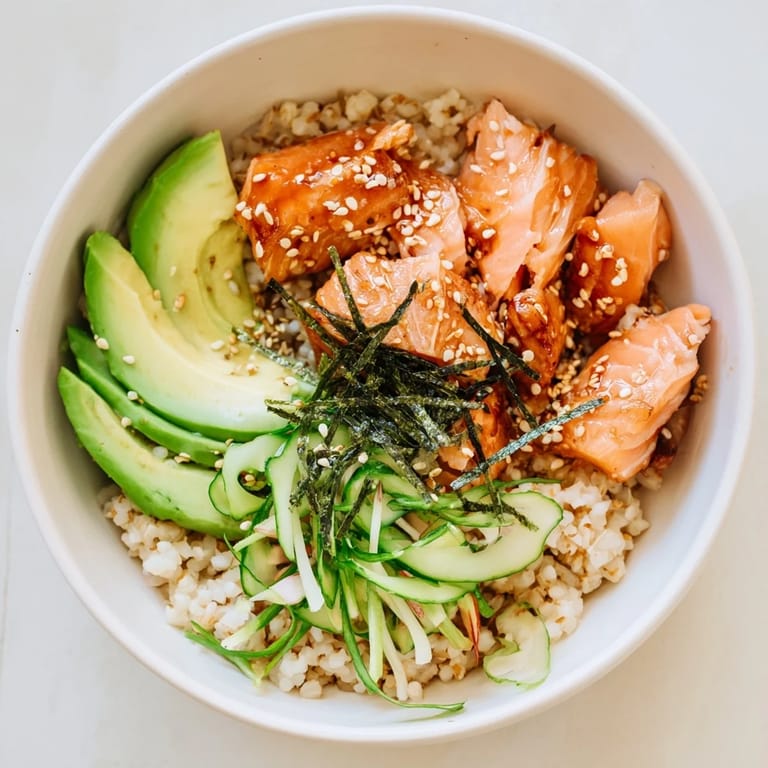
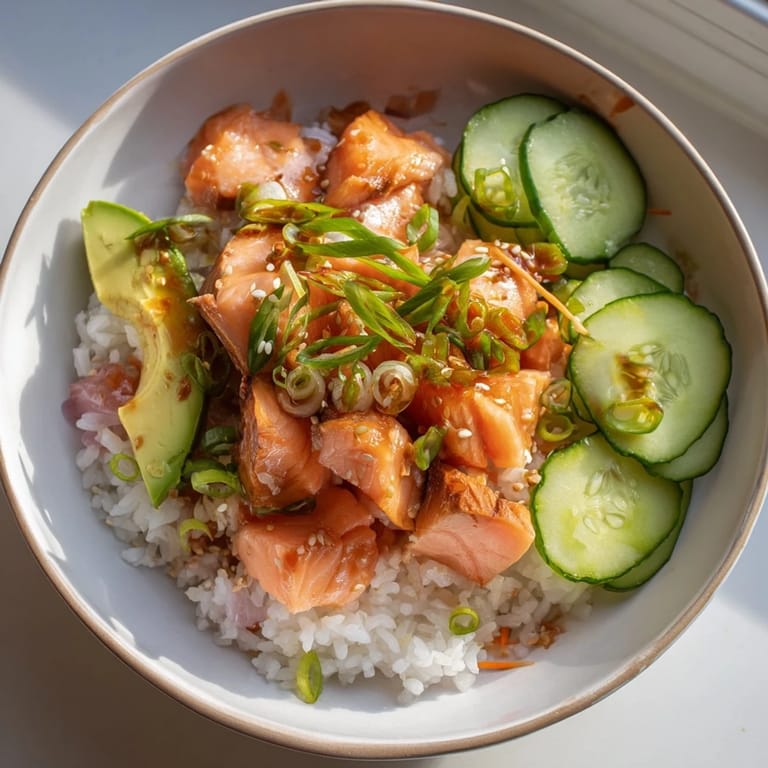
- Divide the fluffy rice among four bowls, then arrange the chicken, salmon, avocado, cucumber, carrot, and scallions on top like you're painting with food. Drizzle the sauce over everything and finish with a sprinkle of sesame seeds and a few strips of nori if you have them.
- Reheat with the ice cube hack:
- If you're bringing back leftovers, nestle an ice cube right in the center of the rice, cover the bowl with a microwave-safe lid or damp paper towel, and microwave for 1 to 2 minutes. The ice melts into steam, bringing the rice back to life without drying it out—just fish out any leftover ice before you dig in.
 Pin It
 The first time I brought this bowl to a potluck, someone asked if I'd ordered it from the new place downtown. I didn't correct them right away because I liked the idea that something I made in my own kitchen could fool people into thinking it was professional. When I finally admitted I'd cooked it myself, three people asked for the recipe, and one person made me promise to teach them the ice cube trick. That's when I realized that the best recipes aren't just about feeding people—they're about giving them a new trick to carry into their own kitchens.
Swaps and Variations
If avocado isn't your thing or you're out, try steamed edamame or roasted broccoli for a different kind of green that's just as satisfying. For a vegetarian version, swap in crispy pan-fried tofu for both the salmon and chicken, and marinate it the same way so it soaks up all that salty-sweet flavor. A drizzle of sriracha or a few slices of pickled ginger on the side can wake up the whole bowl if you want a little heat or tang.
Serving Suggestions
This bowl is complete on its own, but a cup of hot green tea or a chilled glass of light sake makes it feel like a real meal instead of just dinner. If you're feeding a crowd, set out all the toppings and let everyone build their own bowl so picky eaters can skip what they don't like. Leftovers pack beautifully for lunch the next day, and the ice cube trick means you're never stuck with sad, dried-out rice at your desk.
Storage and Make-Ahead Tips
You can cook the rice, proteins, and toppings up to a day ahead and store them separately in the fridge so assembly takes less than five minutes. Keep the avocado unsliced until you're ready to serve or it'll turn brown and sad looking. The sauce stays fresh in a jar for up to a week, and you can double the batch to have it ready for grain bowls, salads, or quick stir-fries all week long.
- Store assembled bowls in airtight containers for up to two days, but keep the sauce on the side until reheating.
- Freeze cooked chicken and salmon separately for up to a month, then thaw and assemble with fresh rice and vegetables.
- Always add the avocado and cucumber right before eating so they stay crisp and bright.
 Pin It
 This bowl has become my answer to the question, what's for dinner when nothing sounds good. It's colorful enough to lift your mood, nourishing enough to feel like self-care, and the ice cube trick means even tomorrow's leftovers taste like magic.
Recipe Questions & Answers
- → How do I keep the rice moist when reheating?
Place an ice cube in the center of the rice bowl before microwaving, cover loosely, and heat for 1–2 minutes. The melting ice creates steam, keeping the rice moist.
- → Can I substitute the salmon or chicken with other proteins?
Yes, tofu or tempeh make great vegetarian alternatives, while shrimp or beef can be used for different flavors.
- → What vegetables pair well with this bowl?
Avocado, cucumber, carrot, scallions, and toasted sesame seeds provide a fresh, crunchy texture that balances the proteins.
- → How long should I marinate the proteins?
Marinate salmon and chicken for at least 10 minutes to let flavors penetrate, but no longer than 30 minutes for best texture.
- → Is it necessary to use short-grain rice?
Short-grain Japanese rice offers a sticky texture ideal for bowls, but medium-grain rice can work if short-grain is unavailable.