 Pin It
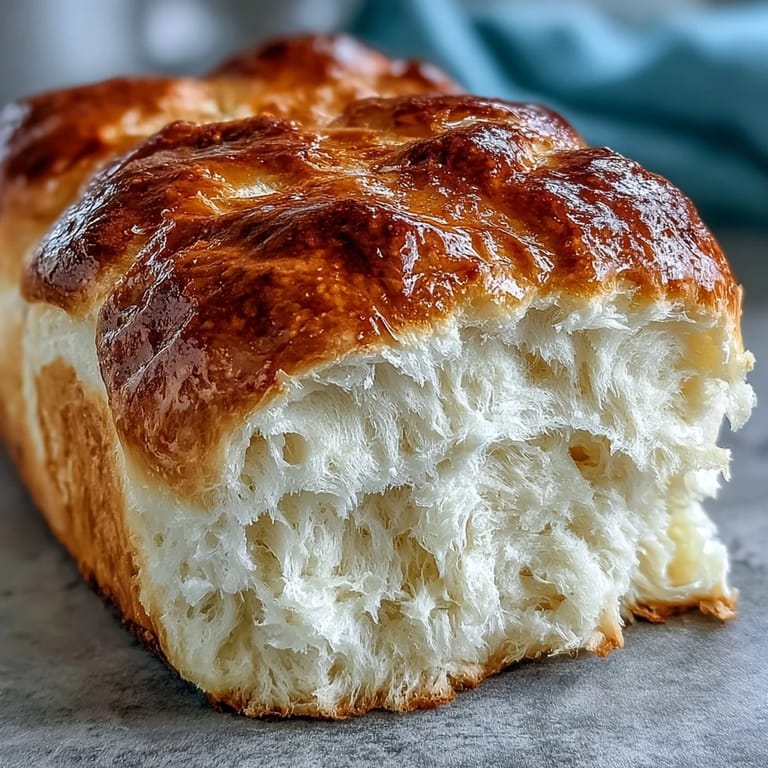
 There’s something delightfully mischievous about poking a loaf of Japanese Milk Bread while it’s still warm, just to watch it bounce back like a soft cloud. The first time I tried the Tangzhong technique, I wasn’t trying to impress anyone—I was just genuinely curious about whether a little flour, whisked into a pudding, could make such a feathery difference. The kitchen filled with the smell of sweet, yeasty dough, so inviting that I caught myself humming while I shaped the loaves. After baking, the top had a satiny gleam and the sides invited gentle squeezes, like a well-loved stuffed animal. Every time I make this bread now, I remember how even simple experiments can unlock such happiness at the table.
I once made this milk bread as part of a simple breakfast spread for some visiting friends, expecting it to play a quiet supporting role to flashy jams and eggs. But the loaf stole the show; everyone kept breaking off buttery pieces and exclaiming over the texture, and the conversation grew cozy in that bread-bonding way. Even someone who swore off carbs couldn’t resist a second slice, grinning with a crumb-dusted smile. There was laughter about how homemade bread somehow softens the edges of a hectic morning. Since then, whenever I pull this loaf from the oven, I half-expect impromptu guests to appear at my door.
Ingredients
- Bread flour: Its high protein keeps the crumb pillowy yet structured—if you swap for all-purpose, expect a denser result.
- Whole milk: Adds rich, subtle sweetness and moisture, amplifying that iconic milk bread flavor—let it warm to room temp for a better rise.
- Tangzhong (flour, water, milk): Whisked and gently cooked, this magic paste is the secret to days-long softness—don’t skip it or rush its cooling.
- Sugar: Not just for sweetness, it helps the loaf brown and stay tender—using less makes for a drier bread.
- Fine sea salt: A small amount wakes up all the flavors—sprinkle it in evenly so you never bite into a salty pocket.
- Instant yeast: Makes the process fuss-free—just toss it in dry, and it quietly does all the heavy lifting.
- Egg: Lends a gentle goldenness and helps bind everything together—room temperature eggs make the dough easier to work with.
- Unsalted butter: Softened butter slips into the dough for a silky, rich bite—work it in slowly for the best texture.
- Milk for brushing: Gives the crust that signature glossy sheen—apply it right before baking for best results.
Tired of Takeout? 🥡
Get 10 meals you can make faster than delivery arrives. Seriously.
One email. No spam. Unsubscribe anytime.
Instructions
- Whisk up the Tangzhong:
- In a small saucepan, whisk together the flour, water, and milk till smooth, then cook over medium heat, stirring, until it’s a thick, glossy paste—this takes just a few minutes. Pull it off the heat and let it lose its steam until just warm to the touch.
- Mix the dough:
- In your big mixing bowl, combine the bread flour, sugar, salt, and yeast, then add the cooled Tangzhong, warm milk, and egg. Stir or mix on low until it’s shaggy and messy—this is the fun, hands-in moment.
- Knead to perfection:
- Add the softened butter and knead by hand or with a dough hook for 10-15 minutes; the dough will transform from sticky to smooth and elastic, and your kitchen will start to smell like hopes of fresh bread.
- First rise:
- Move the dough into a lightly greased bowl, cover, and tuck it somewhere warm—it should puff up and double in about an hour, and pressing it will leave a soft indent.
- Shape the loaf:
- Punch down the dough gently, divide it into three even parts, and roll each into a flat rectangle, then fold and roll tightly into logs—nestle them together in a greased loaf pan to rise again.
- Second rise:
- Cover and let your pretty loaf logs rise until they nearly crest the pan, about half an hour; they should look satisfyingly puffy and almost ready to burst.
- Bake it golden:
- Heat your oven to 350°F and brush milk across the top for a shiny finish, then bake for 28-32 minutes, until golden brown and hollow-sounding when you give it a knuckle tap.
- Cool and enjoy:
- Let the loaf rest in its pan for 10 minutes, then turn it out onto a wire rack—your willpower will be tested, but wait until it’s cool to slice.
 Pin It
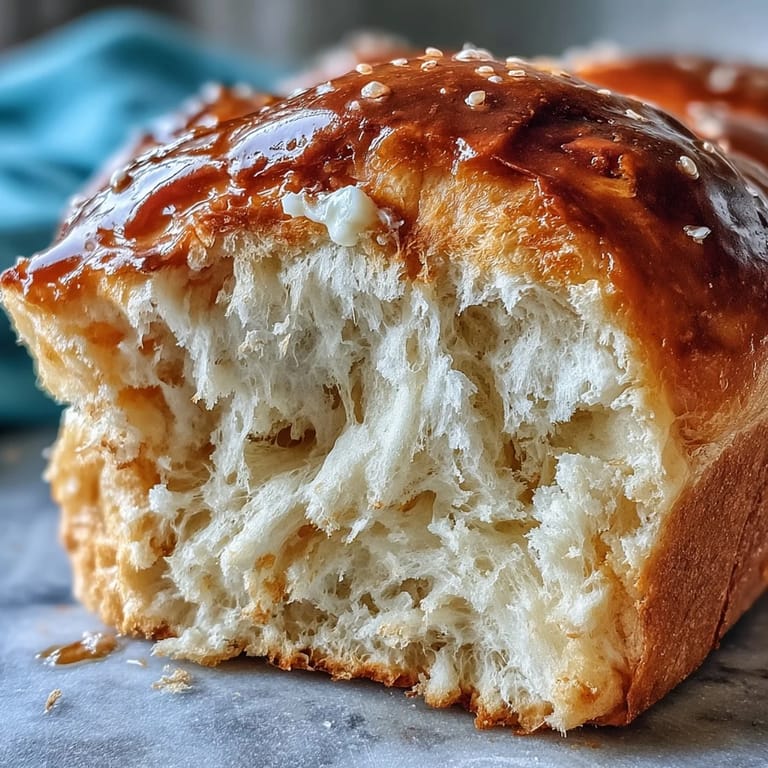
 Watching my friends tear into this bread (forsaking knives entirely) during a rainy afternoon felt like sharing a little luxury—suddenly, nobody cared about the weather, just that next impossibly soft bite. The laughter from that day still echoes every time I cut thick slices, ready to toast or just slather with butter.
Tips for Fluffy Success
When I first started making milk bread, I underestimated how much a sticky dough could test my patience and my countertop. The right amount of kneading really is everything—if you stop too soon, you miss that iconic stretch and bounce. Tenting the bread with foil for the last 10 minutes of baking prevents a too-dark top while keeping the interior plush. Over-proofing is another culprit: if the dough feels fragile or falls when poked, it’s time to bake immediately.
Easy Variations for Every Craving
Once you’re hooked on the basic recipe, the possibilities open wide. Sometimes I swap a splash of milk for heavy cream, which makes the crumb almost custardy. A hint of vanilla extract brings in subtle sweetness, and adding a handful of soft raisins transforms this into the best breakfast loaf. If you’re feeling adventurous, a swirl of matcha or cocoa in one section gives a pretty pattern when sliced.
Storage & Serving Ideas
Freshly baked Japanese Milk Bread keeps its softness for days, but a few tricks help stretch that bakery-fresh window. Once sliced, I wrap it tightly in plastic as soon as it cools and stash it in a bread box. Toasted slices make unbeatable breakfast, especially with salted butter or fruit preserves. If the loaf lasts too long, it’s fantastic for French toast or bread pudding.
- Let the loaf cool completely before slicing, or it will squish.
- Refresh day-old slices in the microwave for 8 seconds.
- Store in an airtight container to protect that precious softness.
 Pin It
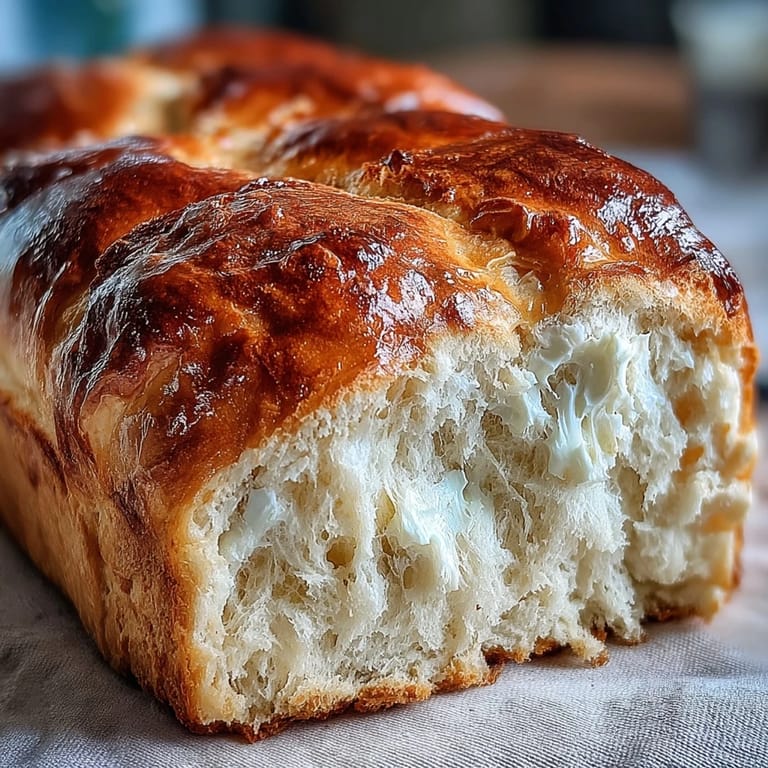
 Japanese Milk Bread is simple luxury on your table, ready to turn any meal into a little celebration. Whenever you bake it, I hope you find happiness in every soft, warm slice.
Recipe Questions & Answers
- → What is tangzhong and why use it?
Tangzhong is a cooked flour-and-liquid paste that gelatinizes starches, helping the dough retain moisture. It yields a softer crumb, extended freshness, and a lighter texture without extra fat.
- → Can I use all-purpose flour instead of bread flour?
Yes, but expect a slightly less chewy structure. Bread flour's higher protein helps gluten development and gives better rise. If using all-purpose, knead a bit longer and handle gently to preserve loft.
- → How can I tell when the dough is properly kneaded?
The dough should be smooth, elastic, and slightly tacky but not sticky. Perform a windowpane test: stretch a small piece until it forms a thin translucent membrane without tearing.
- → How should I store and freeze the loaf?
Cool completely before storing in an airtight container or bag to avoid condensation. Keep at room temperature for a few days or slice and freeze for longer storage; toast slices straight from frozen or thaw at room temperature.
- → Can I use non-dairy milk or omit the egg?
You can substitute full-fat plant milks, but texture and browning may change. Omitting the egg will slightly alter richness and structure; consider adding a tablespoon of oil for tenderness if avoiding egg.
- → Why shape the dough into three logs?
Dividing into three logs creates the classic pull-apart shape, promotes even oven spring, and yields uniform slices with a soft, layered crumb ideal for sandwiches and toast.