 Pin It
 My neighbor knocked on the door at 6 AM with the smell of fresh citrus trailing behind her, asking if I had any orange zest because she'd forgotten hers mid-bake. That's when I learned these overnight rolls were her secret weapon for stress-free mornings, and honestly, watching her pull golden rolls from the oven while barely awake made me realize I needed this recipe in my life. The dough comes together the night before, so your morning is just warm rolls and coffee—no early chaos required. There's something magical about waking up to the aroma of orange and vanilla, knowing breakfast is practically done.
I made a batch for my book club last month, and I'll never forget how my friend Sarah asked for the recipe before she'd even finished chewing. She brought them to her daughter's soccer tournament the next week, and apparently half the bleachers were asking where the rolls came from. That's when I realized these weren't just breakfast food—they'd become the thing people remembered about the morning itself.
Ingredients
- All-purpose flour (3 1/2 cups): The foundation that'll give you those tender, pillowy rolls—don't skip the kneading or your texture will suffer.
- Instant dry yeast (2 1/4 tsp): Proof it in your warm milk first if you want to be extra sure it's alive and ready to work.
- Whole milk, lukewarm (3/4 cup): Cold milk will slow everything down, so let it sit on the counter for a few minutes.
- Orange zest (3 zests total across dough, filling, and glaze): Use a microplane grater—it catches all the fragrant oils and makes a real difference in flavor depth.
- Unsalted butter (1/4 cup melted for dough, 1/4 cup softened for filling): The soft butter for the filling needs to be spreadable or you'll tear the dough rolling it.
- Granulated sugar (1/2 cup for filling): This creates that sweet crystalline layer between the spirals when they bake.
- Eggs (2 large, room temperature): Cold eggs won't incorporate smoothly and can make the dough dense.
- Powdered sugar (1 cup for glaze): Fresh orange juice dissolves it better than water, creating a glaze that actually tastes like something.
Tired of Takeout? 🥡
Get 10 meals you can make faster than delivery arrives. Seriously.
One email. No spam. Unsubscribe anytime.
Instructions
- Build your dough base:
- Whisk flour, sugar, yeast, and salt in a large bowl—the salt goes on the opposite side from the yeast so they don't touch and kill the yeast before things get started. In another bowl, warm that milk slightly, stir in your melted butter, eggs, and orange zest until everything's incorporated and fragrant.
- Bring it together:
- Pour the wet ingredients into the dry and mix until you've got a shaggy, sticky dough that's starting to hold itself together. Don't worry if it looks messy—that's exactly what you want right now.
- Knead until silky:
- Work the dough for 7–8 minutes by hand or with a stand mixer fitted with the dough hook until it becomes smooth, elastic, and only slightly sticky to the touch. You'll feel it transform from rough to cooperative under your hands.
- First rise, the quick one:
- Place your dough in a greased bowl, cover it with plastic wrap, and let it rise in a warm spot (near a sunny window works great) for 1–2 hours until it's roughly doubled. I like to poke it gently—if the indentation springs back slowly, it's ready to move on.
- Shape and fill:
- Turn your puffy dough onto a lightly floured surface and roll it into a 10x16-inch rectangle, working gently so you don't deflate all that good yeast work. Spread softened butter all over, then shower it with the sugar-and-zest mixture for the filling, making sure to get into all the corners.
- Roll and slice:
- Starting from the longer edge, roll the dough up as tightly as you can without squishing the life out of it, then use a sharp knife or even dental floss (seriously, it cuts cleaner than you'd think) to slice it into 12 even pieces. The more even they are, the more evenly they'll bake.
- Overnight chill:
- Arrange your rolls cut-side up in a greased 9x13-inch baking dish, cover them snugly with plastic wrap, and slide them into the refrigerator. The slow, cold rise overnight develops flavor and makes the morning part almost embarrassingly easy.
- Morning proof:
- Pull the rolls out about an hour before you want to bake them, remove the plastic wrap, and let them sit at room temperature until they're puffy and jiggly—about 45–60 minutes depending on how warm your kitchen is. You'll know they're ready when you gently poke one and the indentation stays put.
- Bake to golden:
- Preheat your oven to 350°F and bake the rolls for 22–25 minutes until they're deeply golden brown and the kitchen smells absolutely incredible. Don't overbake or they'll dry out—you want tender crumb with crispy edges.
- Glaze while warm:
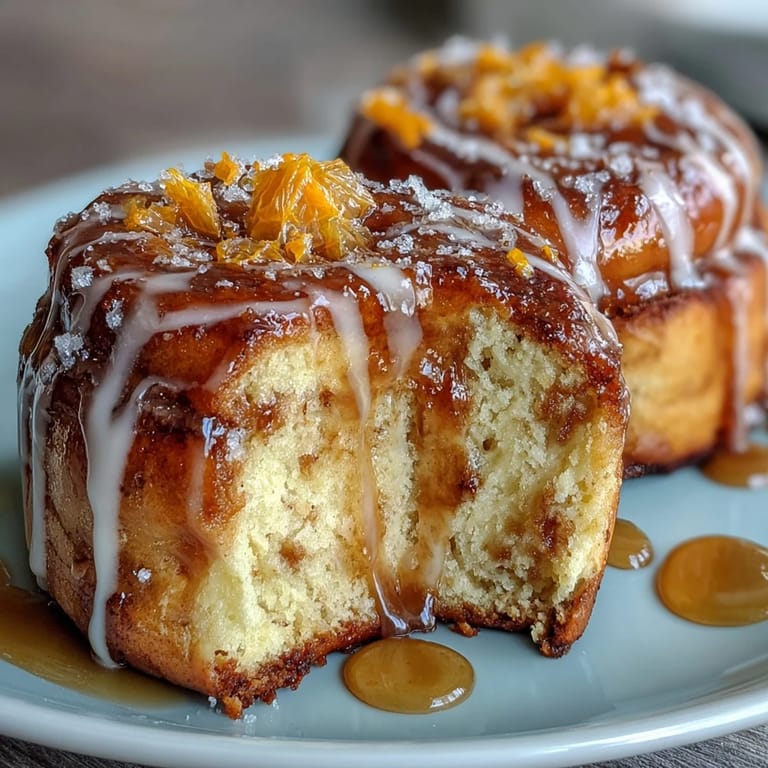
- While the rolls are still hot, whisk your powdered sugar with fresh orange juice and zest until it reaches a drizzly consistency. Drizzle it generously over the warm rolls so it soaks in just a little and hardens into a glossy coating.
 Pin It
 My partner called me from work once asking if I'd made the orange rolls, because apparently the smell had somehow followed him out the door and he couldn't stop thinking about breakfast. That's when I understood these rolls had transcended their purpose as just food and become the kind of small luxury that makes mornings feel intentional and special.
Why Overnight Rising Changes Everything
The beauty of the overnight rise isn't just that it fits your schedule—it actually makes better rolls. The cold, slow rise allows the yeast to work gently and develop deeper, more complex flavors than a quick two-hour rise ever could. Your dough also becomes less sticky and easier to handle after chilling, which means less frustration and a more professional-looking final product. I learned this the hard way after trying to rush a batch in the afternoon; the flavor was flat and the texture wasn't nearly as tender.
Orange Zest as Your Secret Ingredient
Fresh orange zest shows up three times in this recipe, and that repetition is intentional—it's the backbone of the entire flavor profile. The zest in the dough itself gives subtle background brightness, the zest in the filling creates those little bursts of citrus with every bite, and the zest in the glaze ties everything together with a final aromatic note. I once substituted bottled zest out of laziness and immediately regretted it; the rolls tasted generic and lost that fresh, morning-kitchen energy they're supposed to have. Always microplane fresh zest straight into your bowl—you want those volatile oils intact.
Making Them Your Own
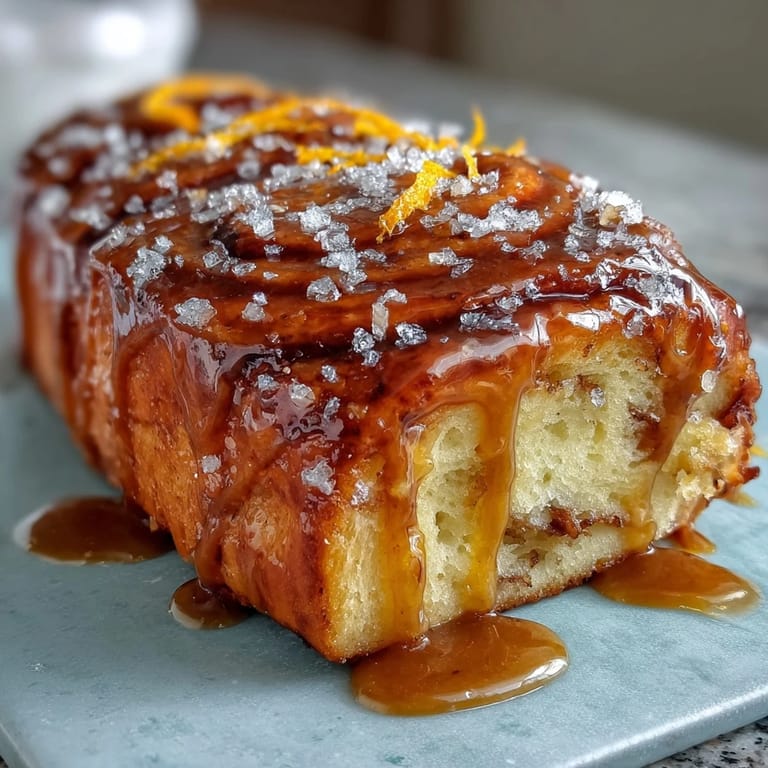
These rolls are basically a canvas, which I discovered when I got adventurous and started experimenting with the filling. A tiny pinch of cardamom adds this unexpected warmth that makes people pause mid-bite wondering what they're tasting. For extra richness, swap half the milk for fresh orange juice—it'll deepen the orange flavor considerably and add a subtle tang to the crumb. If you want to go even further, brush the finished rolls with an orange-infused simple syrup while they're still warm for that bakery-level decadence.
- Cardamom is subtle—use a pinch or you'll overpower the orange with spice.
- You can freeze unbaked rolls for up to a month, then thaw and proof them in the morning for fresh rolls anytime.
- Store baked rolls in an airtight container for up to two days, though they're best enjoyed within hours of baking.
 Pin It
 These rolls have become my answer to "what should I bring" for everything from casual brunches to slightly fancy weekend mornings. There's something deeply satisfying about handing someone a warm, glossy roll knowing they're about to have a moment of genuine contentment.
Recipe Questions & Answers
- → Can I substitute orange juice for milk?
Yes, replacing half the milk with orange juice adds extra citrus flavor and moisture to the dough.
- → How long should the dough rise before refrigeration?
Let the dough rise for 1–2 hours at room temperature until doubled in size before refrigerating overnight.
- → What is the best way to cut the rolls evenly?
Use a sharp knife or dental floss to slice the rolled dough into 12 even pieces for uniform baking.
- → Can these rolls be made without a stand mixer?
Yes, hand kneading for about 7–8 minutes until smooth and elastic works well if a stand mixer is unavailable.
- → What can I add for a spiced variation?
Adding a pinch of cardamom to the filling introduces a subtle warm spice that complements the orange zest.
- → How should the glaze be applied?
Prepare the glaze by whisking powdered sugar, fresh orange juice, and zest, then drizzle over warm rolls just before serving.