 Pin It
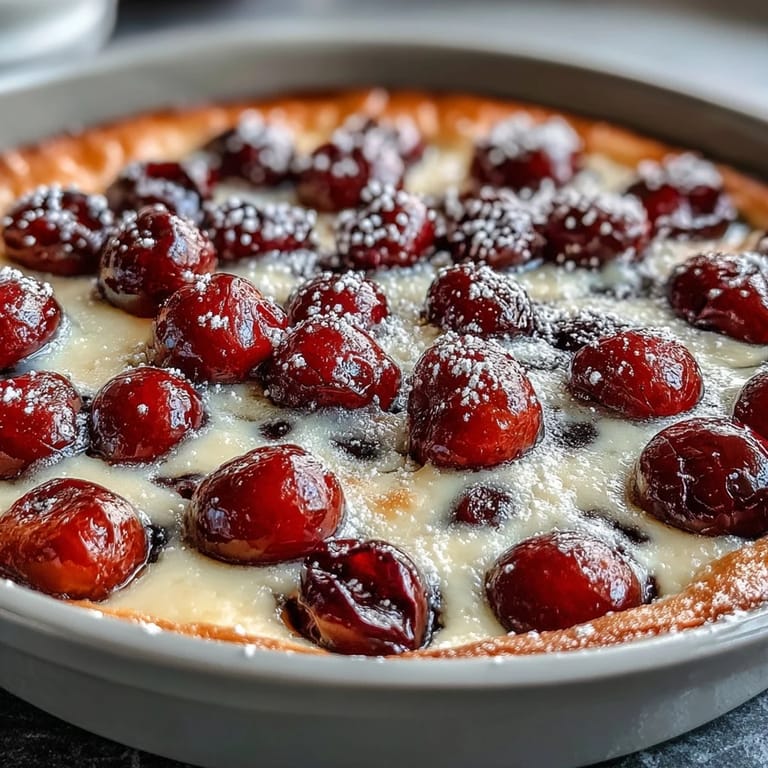
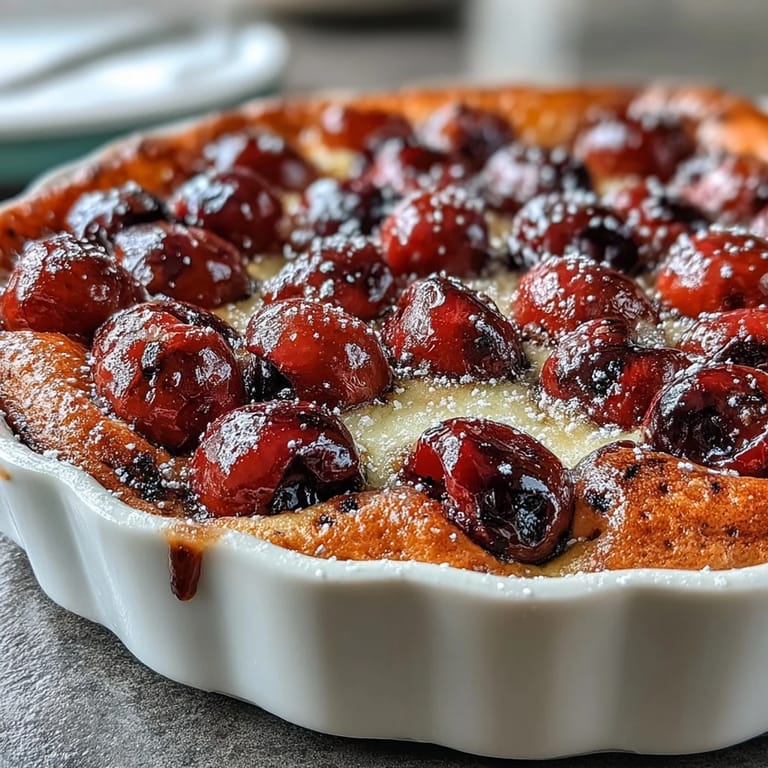
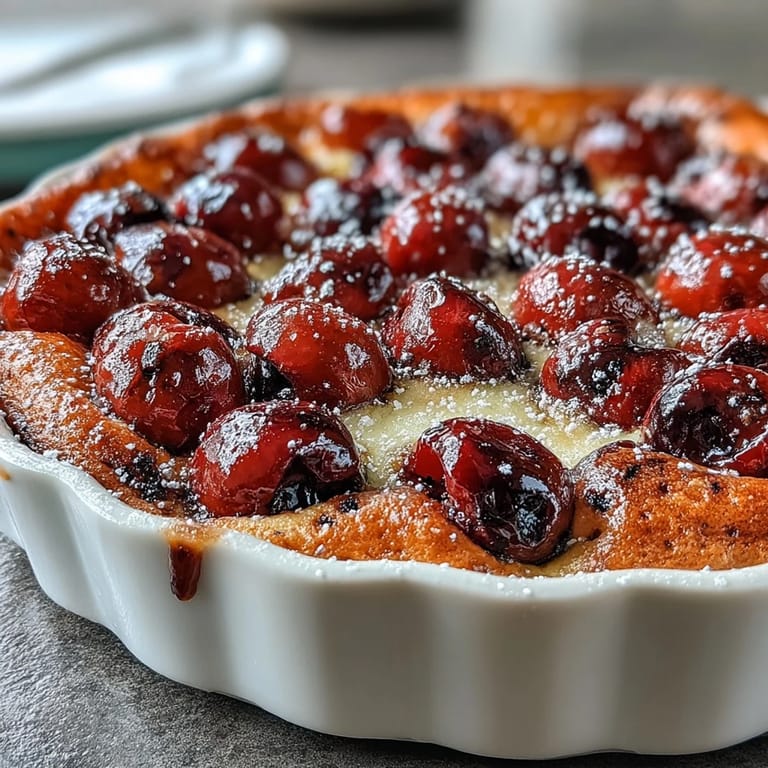
 The scent of fresh cherries and warm vanilla always makes me think of early summer days when the market stalls are brimming with just-picked fruit. Last year, on a whim, I brought home a bag overflowing with glossy sweet cherries. Clafoutis felt like the only reasonable thing to do—a rustic, one-dish dessert that feels fancier than its easy technique might suggest. What surprised me most was how simply these ingredients come together: the batter, the cherries, the scent rising from the oven. It's the sort of treat that feels at home on both a picnic blanket and a linen-draped table.
One lazy Sunday, I made this for brunch with friends, barely awake but drawn in by the rhythm of pitting cherries while coffee brewed. There were arguments about whether to pit them or not, laughter over escaping cherry juice stains—all of it adding to the memory baked right into the dessert. Serving it still warm, someone poked at its quivery center, and, with powdered sugar settling like morning frost, we all dove in before the coffee even finished brewing.
Ingredients
- Fresh sweet cherries: Juiciness is key here, so choose ripe, plump cherries—pitting them keeps things guest-friendly, though leaving them whole adds almondy aroma.
- Eggs: Bring to room temperature for a silkier custard and easier mixing.
- Granulated sugar: Balances out the fruit, and I always whisk it well with eggs to prevent any grittiness.
- Vanilla bean: Splitting and scraping the pod perfumes everything—substitute a teaspoon of extract if you must, but bean is magic.
- All-purpose flour: Sifted in gently for a smooth, lump-free batter that bakes up tender.
- Salt: Just a pinch keeps the sweetness in check, making the flavors sing.
- Whole milk & heavy cream: They blend together to create that dreamy, custardy interior.
- Unsalted butter: Adds richness and helps the batter set with a golden hue.
- Butter for pan: Greasing the dish means no precious slice is ever left behind.
- Powdered sugar: Dusting before serving gives a classic finishing touch, like a gentle snowfall.
Tired of Takeout? 🥡
Get 10 meals you can make faster than delivery arrives. Seriously.
One email. No spam. Unsubscribe anytime.
Instructions
- Preheat & Prepare:
- Set your oven to 180°C (350°F) and generously butter a 24 cm round baking dish so the custard doesn’t stick.
- Scatter the Cherries:
- Arrange the pitted cherries in an even single layer, listening for that gentle plink as each lands on the dish.
- Build the Batter:
- Whisk together eggs and granulated sugar until pale and a little frothy—the texture should feel silkier beneath the whisk.
- Add Flavor:
- Scrape the seeds from the vanilla bean into your bowl, then sift in flour and salt; stir until smooth and creamy.
- Incorporate Liquids:
- Pour in the milk, cream, and melted butter gradually, whisking until your mixture is glossy and flows off the spoon in ribbons.
- Combine & Pour:
- Gently pour the custard batter over the cherries, watching it nestle in and around the fruit.
- Bake:
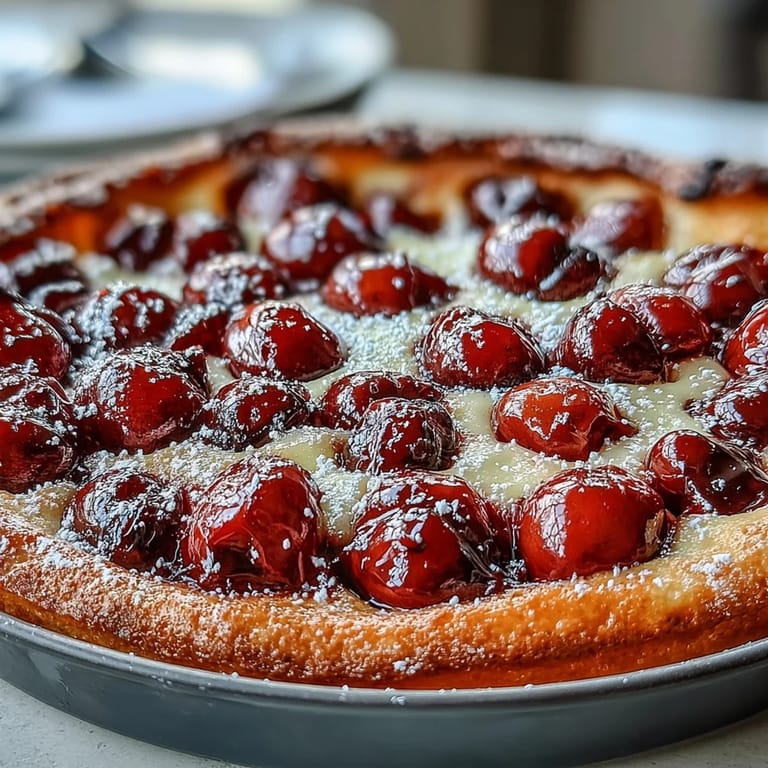
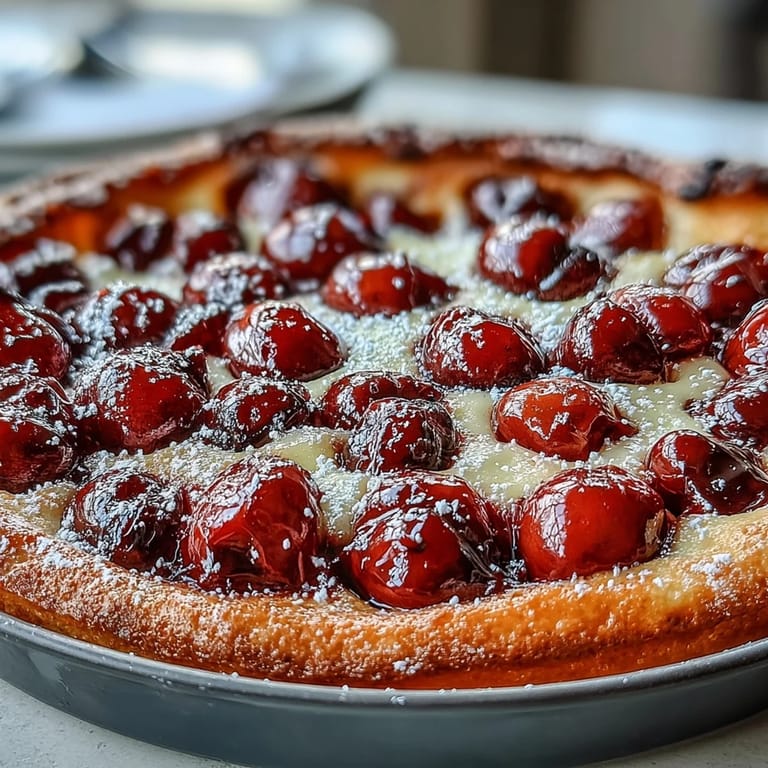
- Slide the dish into the oven and bake 35–40 minutes, until puffed, golden at the edges, and just set in the very center.
- Cool & Finish:
- Once baked, cool for about 15 minutes, then use a little mesh sieve to powder the top with sugar.
- Serve:
- You can serve it warm or at room temperature—both ways have their own charm.
 Pin It
  Pin It
 When I made this for my neighbor who’d never tried clafoutis, I’ll never forget the moment she paused mid-bite and just smiled. Sometimes, sharing something new turns a simple dessert into a small celebration.
Picking the Best Cherries
The deep, almost purplish-red cherries are the most reliable for this recipe, holding their shape and juiciness through baking. Don’t hesitate to taste one or two while pitting—it's the cook’s privilege and helps you gauge their sweetness.
Making Vanilla Bean Shine
Vanilla bean isn’t just about flavor—it’s those tiny black flecks that make each slice look irresistible. If you warm the pod before slicing, the seeds loosen up, making the scraping process much easier and less wasteful.
Serving and Storing for Best Results
A clafoutis is at its dreamiest shortly after baking, when still a little warm, but it will keep well covered at room temperature for a day. I’ve even packed chilled leftovers for a breakfast treat.
- Always dust powdered sugar just before serving so it doesn’t disappear into the custard.
- Chill leftovers promptly and enjoy within two days for peak flavor.
- If reheating, pop slices in a low oven—not the microwave—to preserve texture.
 Pin It
  Pin It
 This clafoutis brings an elegant touch to the table with hardly any fuss—just a bit of whisking and a handful of cherries. Share a slice with someone new, and let the magic of simple things do the rest.
Recipe Questions & Answers
- → Do the cherries need to be pitted?
Pitting makes the dish easier to eat and more accessible for guests, but leaving pits in is traditional and adds a subtle almond-like aroma. If left unpitted, warn diners and consider larger cherries to reduce choking risk.
- → How can I tell when the custard is done?
Look for puffed edges that are lightly golden and a center that’s just set with a slight jiggle. The custard will continue to firm up as it cools; avoid overbaking to keep a tender, custardy texture.
- → Can I use alternative milks or creams?
Yes—use full-fat plant milks and a splash of coconut cream for richness, though the texture and flavor will shift. Maintain the same total liquid volume and expect a slightly different set and mouthfeel.
- → What pan size works best and why?
A 24 cm (9–10 inch) round baking dish spreads the batter thin enough for quick, even baking and the characteristic thin custard layer over the fruit. Smaller, deeper pans require longer bake times and change the texture.
- → Can I make this ahead and how should I store it?
Make ahead and store covered in the refrigerator for up to 2 days. Warm briefly before serving or bring to room temperature for a few hours for best texture. Dust with powdered sugar just before serving.
- → What fruit substitutions work well?
Stone fruits like apricots, plums, or halved peaches are excellent alternatives. Adjust sweetness if using tarter fruit and watch bake time, since fruit moisture content can affect setting.