 Pin It
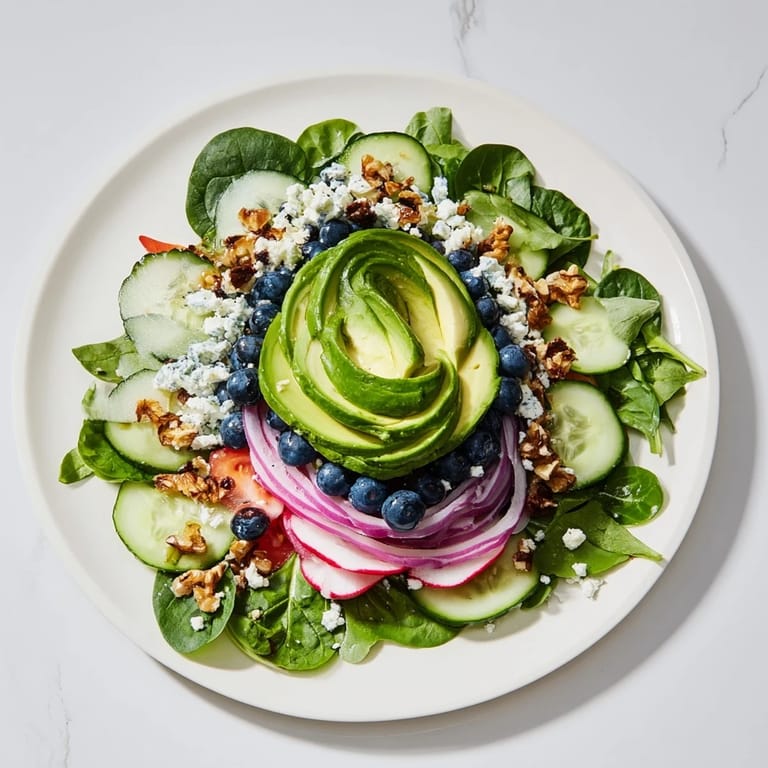
 I discovered the Fibonacci Fan Salad while scrolling through a design blog at midnight, of all places, and became instantly obsessed with the idea of eating mathematics. The golden spiral isn't just beautiful on paper—when you arrange fresh greens and vegetables in expanding arcs on a plate, something genuinely magical happens. It's the kind of dish that makes people pause before diving in, cameras out, but the real magic is how naturally the flavors build as you spiral inward. That first time I made it, my sister actually gasped, which felt ridiculous until she tasted how the arrangement meant every bite contained a different balance of textures. Now it's the dish I make when I want to impress without stress.
I made this for a dinner party last spring when I was nervous about feeding people I barely knew, and somehow the salad became the conversation starter that broke the ice. Everyone leaned in to examine the spiral before eating, and I watched the tension in the room just dissolve as they pointed out the progression, laughed about the Fibonacci sequence they half-remembered from school, and started actually talking to each other. Food that makes people look up from their plates and notice each other feels like a small kind of magic.
Ingredients
- Baby spinach leaves: Start with the inner arc—their mild earthiness is the calm center of your spiral, and the tender leaves actually absorb the dressing beautifully.
- Arugula: Its peppery bite creates the second ring and introduces the salad's personality without overpowering everything else.
- Cherry tomatoes, halved: These burst with sweetness in the third arc and provide the visual pop that makes the spiral actually visible from above.
- Cucumber, thinly sliced: Keep your knife steady and get them paper-thin so they nestle perfectly into the next curve, adding a cool, crisp refresh.
- Radishes, thinly sliced: Their slight peppery edge and hot-pink color define the fifth section, and thin slicing keeps them from overwhelming a single bite.
- Red onion, finely sliced: A whisper of sharpness near the outer edge—this is your accent line, so less is genuinely more here.
- Avocado, sliced: The creaminess nestled into the spiral creates moments of richness that balance the greens' freshness throughout.
- Blueberries: Tiny bursts of sweet-tart that most people don't expect in a salad, and they visually anchor the spiral design.
- Toasted walnuts, chopped: Toast them yourself if you can—the warmth brings out their depth, and they add a grounding texture that keeps the salad from feeling too delicate.
- Crumbled feta cheese: Its saltiness and slight tanginess tie everything together, especially the fruit elements that might otherwise feel out of place.
- Extra-virgin olive oil: This is where quality matters—a good oil tastes like the thing itself, not generic greenness.
- Lemon juice: Fresh squeezed if your hands aren't tired, this lifts every element without making anything taste sour.
- Honey: Just a teaspoon rounds out the dressing and whispers sweetness that makes sense alongside the blueberries.
- Dijon mustard: Trust this little secret—it emulsifies the dressing and adds a subtle sharpness that makes the whole thing cohesive.
Tired of Takeout? 🥡
Get 10 meals you can make faster than delivery arrives. Seriously.
One email. No spam. Unsubscribe anytime.
Instructions
- Create your inner arc with spinach:
- Lay out your large round platter and arrange the baby spinach in a crescent shape at the center, like you're drawing the first curve of a spiral with your fingers. Take your time here—this is your foundation, and the overlapping leaves should create a calm, collected beginning.
- Build the second ring with arugula:
- Fan the arugula leaves so they overlap slightly and expand outward from your spinach crescent, following the spiral motion. You'll feel the pattern emerging now, and the peppery leaves will contrast beautifully with what came before.
- Arrange tomatoes in the third arc:
- Distribute your halved cherry tomatoes in the next expanding section, placing them cut-side up so you can see their interior color. This is where your spiral starts looking intentional from above.
- Layer cucumbers in the fourth curve:
- Your paper-thin cucumber slices should nestle like shingles in the next arc, each one slightly overlapping. Watch how the pale green guides your eye deeper into the spiral.
- Add radishes as the fifth section:
- Thin-sliced radishes bring both color and a crisp texture that bridges the vegetables and what's coming next. Their hot pink creates a visual rhythm that makes the whole arrangement pop.
- Accent with red onion:
- Create a thin ring of finely sliced red onion near the outer edge—this is your final vegetable line, so a light hand keeps it refined. You'll notice how the sharpness concentrates in this outer ring.
- Nestle avocado and blueberries throughout:
- Now scatter your avocado slices and blueberries into the spiral wherever they feel balanced, creating little moments of richness and unexpected sweetness. Step back and look at it from above—the arrangement should feel generous and intentional, not chaotic.
- Crown with walnuts and feta:
- Sprinkle your toasted walnuts and crumbled feta across the entire spiral, giving each section a bit of textural depth and a salty note. This is your finishing touch—don't be timid with it.
- Make your dressing:
- In a small bowl, whisk together the olive oil, lemon juice, honey, and Dijon mustard until it's glossy and slightly thickened. Taste it straight from the whisk, season with salt and pepper, and adjust until it makes you want to taste it again.
- Dress and serve:
- Drizzle the dressing evenly over your arranged salad just before people sit down, letting it pool slightly in the center of the spiral. Serve it whole and let people cut into it, watching the design unfold on their plates.
 Pin It
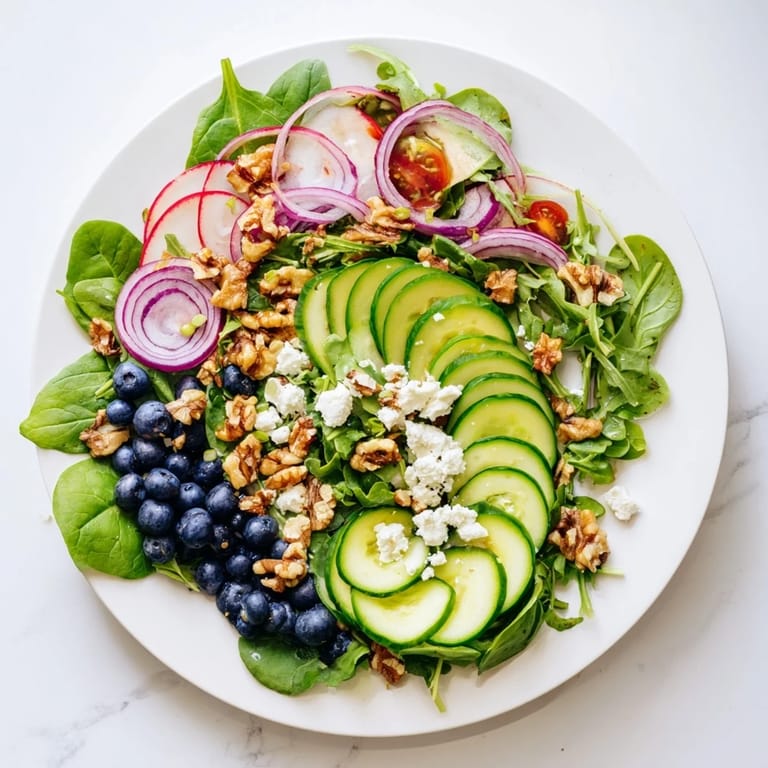
 There was this moment when my seven-year-old niece watched me build the spiral and suddenly said, 'It's like the ocean in your backyard,' which I still think about. She ate that whole plate methodically from the center outward, following her own spiral inward, and I realized the arrangement isn't just visual—it actually guides how you eat. That's the moment I understood this salad was more than just pretty.
Why Arrangement Actually Matters
The Fibonacci spiral isn't decoration—it's a proportional system that naturally creates balance. When you arrange ingredients in expanding arcs, you're following the same ratio found in seashells, galaxies, and sunflowers, which means every section feels right intuitively. I spent a week thinking I was just making something look nice before realizing the spiral actually determines how flavors progress from the center outward, making each bite slightly different. There's something about respecting that geometry that makes the eating experience feel intentional instead of accidental.
Making It Your Own
This salad is a canvas, and I've learned that the best version is the one that uses what you actually have in your fridge. That first time I ran out of walnuts and used toasted sunflower seeds instead, and honestly, they worked even better because they're smaller and distributed more evenly through the spiral. Grilled chicken transforms this from a side into a main course, or chickpeas if you're staying vegetarian and want the protein to feel integral. The point is respecting the spiral structure while making the ingredients your own.
Dressing and Final Touches
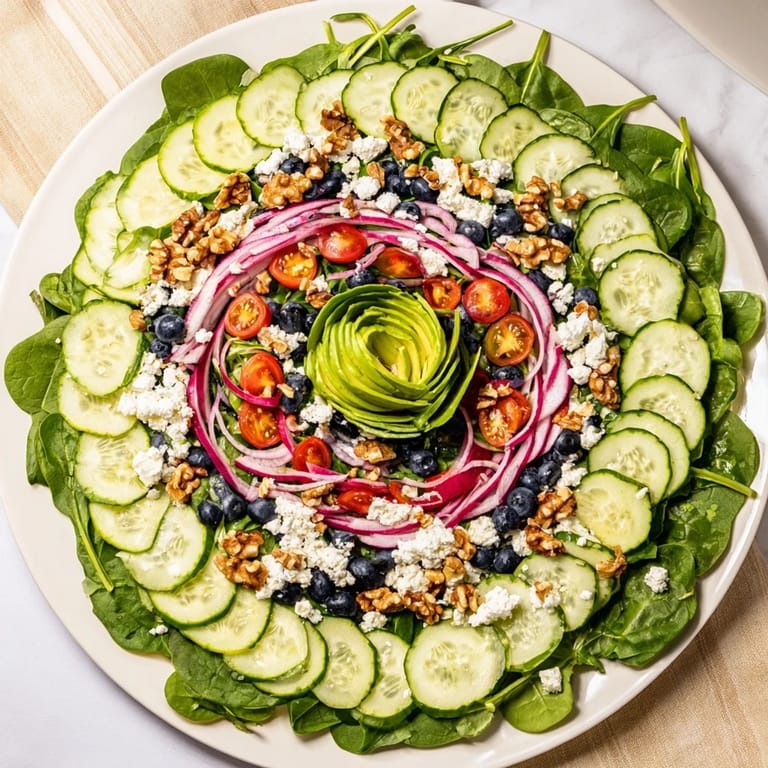
The dressing is where people often hesitate, thinking they need something complicated, but this honey-mustard vinaigrette is exactly enough. I used to overthink it, adding herbs and garlic, until I realized the salad's ingredients are already singing and the dressing's job is just to tie them together without stealing the show. A light hand with the dressing also means your spiral stays crisp and defined all the way through dinner, which matters when you've spent time making it look intentional.
- Make the dressing right before serving so the emulsion stays silky and fresh.
- If you're serving this for a crowd, you can dress individual plates instead of the whole platter to keep everything perfect longer.
- Leftover dressing keeps for three days and works beautifully on simple greens or grain bowls.
 Pin It
 This salad reminds me that sometimes the most satisfying meals are the ones that make people slow down and really look before they eat. It's not complicated, but it's never forgettable.
Recipe Questions & Answers
- → What is the best way to arrange the ingredients?
Arrange ingredients in expanding arcs following the golden spiral, starting with spinach at the center and layering outward with arugula, tomatoes, cucumbers, and radishes for a balanced visual and flavor experience.
- → Can I substitute any ingredients?
Yes, goat cheese can replace feta, and grilled chicken or chickpeas can be added for protein without disrupting the balance.
- → How should the dressing be prepared?
Whisk extra-virgin olive oil, lemon juice, honey, Dijon mustard, salt, and pepper in a small bowl until emulsified, then drizzle evenly over the arranged salad.
- → Is this suitable for special diets?
Yes, it is vegetarian and gluten-free, but contains dairy, tree nuts, and mustard allergens.
- → How soon should this salad be served?
Serve immediately after dressing to maintain freshness, texture, and the visual appeal of the golden spiral arrangement.