 Pin It
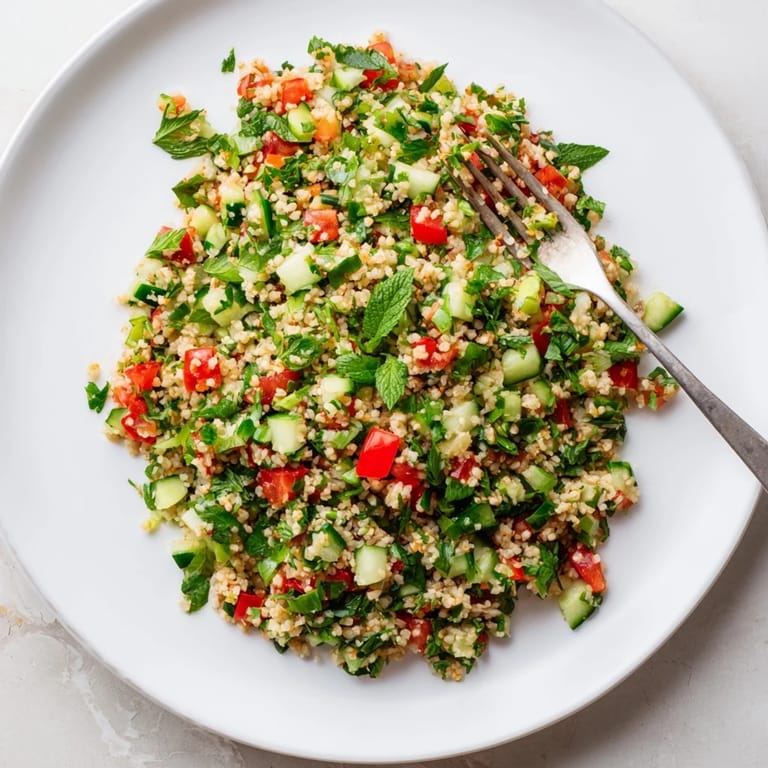
 I sometimes think tabbouleh saved my first dinner party from complete disaster. The oven had died mid-roast, leaving me in tears, when my neighbor Sara knocked with this bright bowl of herby goodness. As guests arrived to my panicked cooking scene, they dove into this vibrant salad with such delight that nobody minded the takeout pizza that followed. The way the fresh herbs perfumed my entire apartment made everything feel intentional rather than chaotic.
Last summer I brought this to a potluck where nobody knew each other, and within minutes of serving, a heated debate broke out about whether parsley stems should be included. Before long, people who were strangers were laughing and exchanging numbers over this simple bowl of tabbouleh. Something about the brightness of this dish seems to spark conversation and connection every time I serve it.
Ingredients
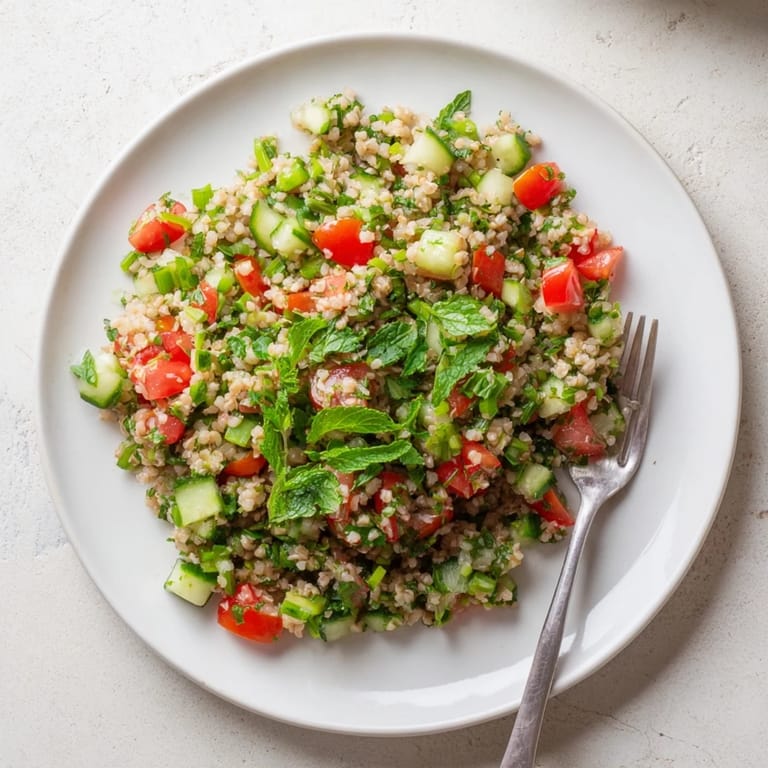
- Fine bulgur wheat: I learned from a Lebanese friend that the texture of tabbouleh hinges on using the finest bulgur you can find, as coarse varieties create a completely different dish with too much chew.
- Fresh flat-leaf parsley: The backbone of authentic tabbouleh, Italian flat-leaf parsley offers so much more flavor than the curly variety, which I discovered after an unfortunate substitution that left my salad tasting oddly grassy.
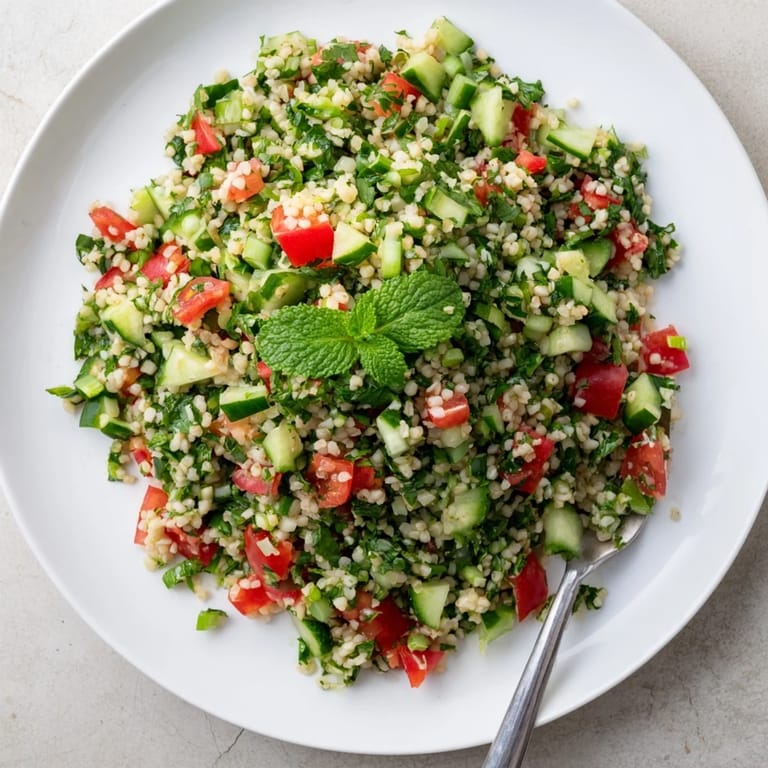
- Fresh mint: The cooling counterpoint that balances the acidity and adds that unmistakable aromatic quality that makes people ask what your secret ingredient is.
- Ripe tomatoes: Choose the most flavorful tomatoes you can find, as their juices become part of the dressing and can make or break the final taste.
- Extra virgin olive oil: This is where that special bottle you save for special occasions earns its keep, as the raw application means youll taste every nuance.
Tired of Takeout? 🥡
Get 10 meals you can make faster than delivery arrives. Seriously.
One email. No spam. Unsubscribe anytime.
Instructions
- Soak the bulgur:
- Pour boiling water over your bulgur in a large bowl and cover with a plate to trap the steam. The transformation from hard grains to fluffy base happens almost magically in about 15 minutes.
- Chop with purpose:
- The herbs and vegetables should be chopped quite fine, but not pulverized. I find a sharp knife and a meditative approach works better than rushing through with a food processor.
- Build the flavor foundation:
- Whisk the dressing ingredients until they form a cloudy, aromatic emulsion that will coat every grain. The raw garlic might seem aggressive, but it mellows as it sits with the acid.
- Combine with care:
- Fold everything together using a gentle hand rather than aggressive mixing. Think of it as introducing ingredients to each other rather than forcing them to integrate.
- Let flavors mingle:
- Allow the salad to rest in the refrigerator for at least 20 minutes before serving. This brief vacation in the cold gives all the components time to get acquainted and reach flavor harmony.
 Pin It
 When my daughter left for college, I packed this tabbouleh for her train ride, wrapping the container in a cloth napkin with a note. Hours later, she texted a photo of herself sharing it with her new roommate, who had never tried Middle Eastern food. They sat cross-legged on a dorm room floor, eating it with crackers, forging their first friendship over this simple bowl of herbs and grains. It made me cry to think this recipe was creating connections in her new life just as it had in mine.
Serving Suggestions
Tabbouleh has this wonderful chameleon quality that allows it to complement almost any meal. Ive served it alongside sizzling kebabs where it cuts through the richness, paired it with falafel for a complete protein punch, and even used it as a bright topping for simple grilled fish. After experimenting with countless combinations, I find it most at home with foods that have either deep savory notes or a bit of spice that the herbs can cool and complement.
Make-Ahead and Storage
I learned through a catering disaster that tabbouleh can actually improve with a bit of time in the refrigerator, up to about 24 hours, though the herbs will gradually darken. Once, during a weeklong power outage after a storm, this salad saved our spirits as it held up remarkably well in the cooler while more delicate foods faltered. If you find it drying out after storage, a quick drizzle of olive oil and squeeze of lemon brings it back to life with almost no effort.
Variations to Try
After making this recipe dozens of times, Ive played with countless adaptations based on whats in season or what Im craving. The summer I grew too much basil, I added a handful alongside the traditional herbs, creating an Italian-Lebanese fusion that disappeared quickly at a neighborhood block party. During winter months when fresh tomatoes lack flavor, sometimes Ill add pomegranate seeds for that juicy pop and vibrant color that otherwise goes missing.
- For a heartier version, try adding cooked lentils or chickpeas to transform this side into a complete protein-packed meal.
- Crumbled feta or goat cheese introduces a creamy tanginess that plays beautifully against the herbs, though purists might raise an eyebrow.
- A pinch of sumac or Aleppo pepper sprinkled just before serving adds a dimension of flavor that makes guests wonder about your secret ingredient.
 Pin It
 This humble salad has traveled with me from nervous novice cook to confident host, teaching me that sometimes the simplest foods create the strongest connections. May your tabbouleh bring as many moments of joy to your table as it has to mine.
Recipe Questions & Answers
- → Can I prepare tabbouleh ahead of time?
Yes, tabbouleh actually improves when made a few hours ahead. You can prepare it completely and refrigerate for up to 24 hours. The flavors deepen as the bulgur absorbs the dressing. If storing longer than a few hours, keep the dressing separate and toss just before serving to maintain crispness.
- → What's the best way to hydrate bulgur wheat?
Pour boiling water directly over the bulgur, cover the bowl, and let it sit undisturbed for 10-15 minutes. The bulgur will absorb all the water and become tender. Fluff with a fork and cool to room temperature before adding other ingredients to prevent wilting the fresh herbs.
- → How do I make this gluten-free?
Simply substitute the bulgur wheat with cooked quinoa in equal amounts. Quinoa has a similar texture and neutral flavor that works beautifully with the fresh herbs and lemon dressing. Millet is another excellent gluten-free alternative that maintains the traditional character of the dish.
- → What herbs are essential for authentic tabbouleh?
Fresh flat-leaf parsley and fresh mint are the signature herbs that define tabbouleh. Together they should make up the bulk of the salad. Some variations include a small amount of oregano or cilantro, but parsley and mint are non-negotiable for the authentic flavor profile.
- → Can I modify the fresh produce in tabbouleh?
Absolutely. While tomatoes and cucumber are traditional, you can add diced bell peppers, radishes, or pomegranate seeds for variation. Some versions include feta cheese crumbles. Adjust the ratios based on your preferences, keeping the fresh herb component substantial for the best tabbouleh character.
- → How long does tabbouleh keep in the refrigerator?
Properly stored tabbouleh keeps for 3-4 days in an airtight container. The vegetables will gradually release moisture and the bulgur will soften further. If preparing ahead, store components separately and combine just before serving for maximum freshness and texture contrast.