 Pin It
 The first time I understood what Turkish hospitality truly meant was when my neighbor Ayşe invited me over for coffee and laid out this meze platter without fanfare, as if setting out a few simple bowls was the most natural thing in the world. There was something about watching her arrange those creamy dollops of hummus, the jewel-toned olives catching the light, the cheeses she'd selected with such care—it felt less like a recipe and more like an invitation. That afternoon, I realized that a meze platter isn't just appetizers; it's a conversation starter, a way of saying "sit with me, stay awhile, enjoy."
I remember bringing this platter to a casual dinner party where everyone was stressed about the meal—dishes to coordinate, timing to manage. When I opened the door with this spread, shoulders visibly relaxed. People naturally gravitated toward it, picking at this and that, the conversation flowing more easily. By the end of the night, the platter was nearly empty and everyone was talking about coming back for more, which told me everything I needed to know about its quiet magic.
Ingredients
- Chickpeas: The foundation of hummus—drain and rinse them well to get the creamiest texture, and don't skip this step even though it feels like extra work.
- Tahini: This is where the flavor depth lives; it needs to be fresh and good quality, or you'll taste bitterness instead of nuttiness.
- Extra-virgin olive oil: Use the good stuff you actually enjoy eating, because it's tasted raw and it makes a real difference.
- Fresh lemon juice: Bottled won't do—fresh lemon brightens everything and keeps the hummus from tasting flat.
- Ground cumin: Just a touch, but it's the spice that whispers "this tastes like somewhere farther away," in the best way.
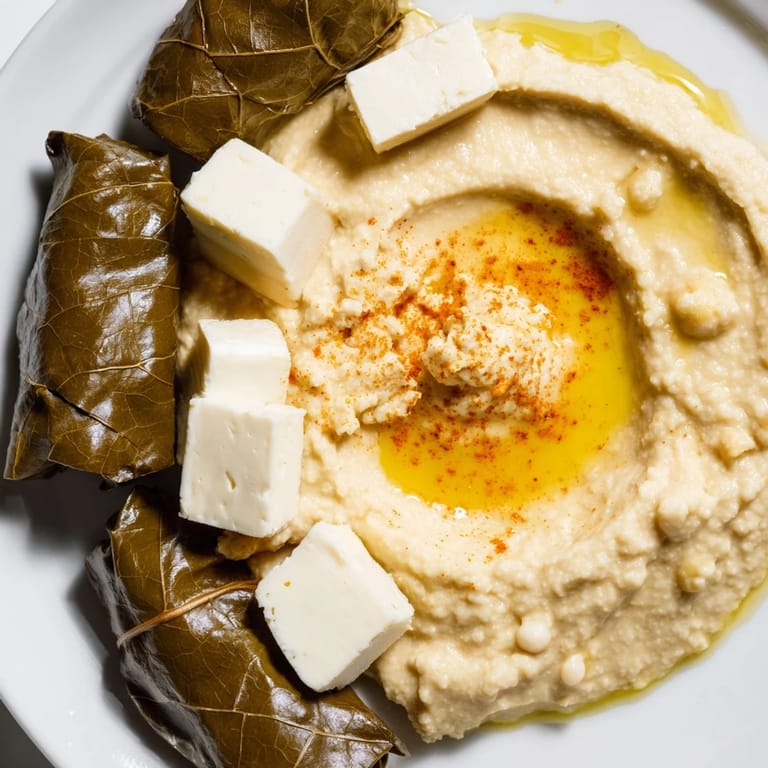
- Feta and beyaz peynir: The contrast between salty feta and the milder white cheese gives the platter balance and texture variety.
- Kasseri or halloumi: These cheeses have a higher melting point, so they hold their shape beautifully on the platter.
- Mixed Turkish olives: Green ones are brighter and crisper; black ones are deeper and richer—having both means everyone finds what they love.
- Fresh vegetables: Cucumber, tomato, and lemon aren't just garnish; they're palate cleansers that make you want to go back for more.
- Warm pita or flatbread: This is how people actually eat your hummus, so don't relegate it to the side—it's essential.
Tired of Takeout? 🥡
Get 10 meals you can make faster than delivery arrives. Seriously.
One email. No spam. Unsubscribe anytime.
Instructions
- Blend the hummus into silence:
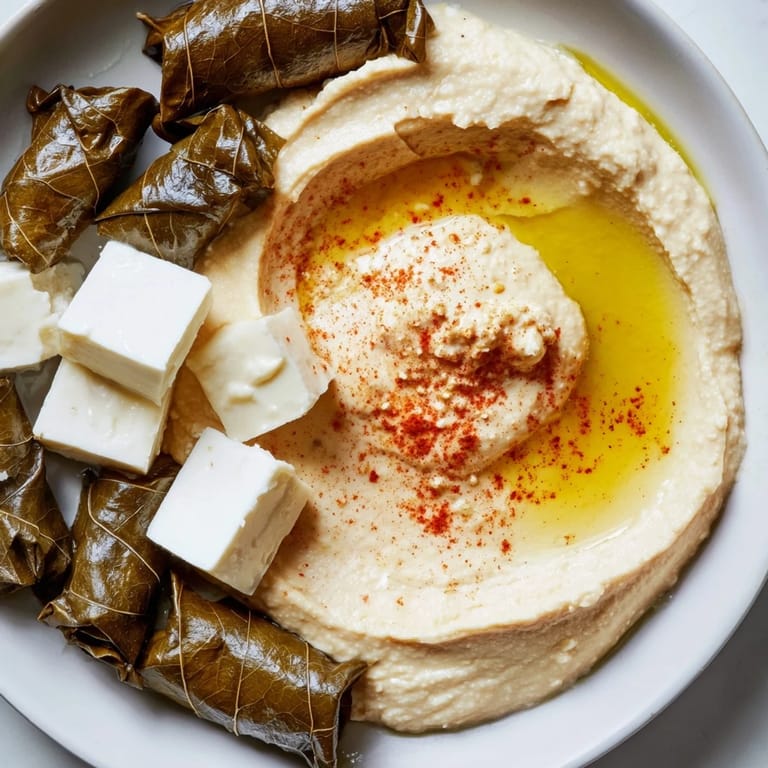
- Run the food processor until it goes quiet, meaning everything has come together into one smooth, cloud-like texture. This takes longer than you think—at least three or four minutes—and it's worth waiting for that moment when the harshness of the raw garlic softens and the whole thing suddenly becomes creamy.
- Taste and adjust like you're the only judge:
- Add more lemon if it needs brightness, more salt if it tastes hollow, more cumin if you want it to whisper rather than shout. Transfer to your serving bowl and let it live there undisturbed for a moment—a small drizzle of olive oil on top is never wasted.
- Arrange everything with intention:
- Place dolmas in a neat cluster, group the cheeses by type so people understand what they're eating, and nestle the olive bowl somewhere it catches light. This isn't fussy; it's the difference between a platter and a presentation.
- Scatter, don't arrange, the vegetables:
- Cucumber and tomato slices go around the edges where they catch eyes and hands first, lemon wedges tucked in gaps, fresh parsley sprinkled over the whole thing like green confetti.
- Warm the bread and step back:
- Cut pita into triangles, warm them gently (a dry pan works fine), and arrange them nearby so they're still warm when people reach for them. This small detail is what makes people say "this feels special."
 Pin It
 There's a moment when everyone around the table has stopped talking and is just eating, eyes half-closed, really tasting things. That's when I know the platter has done what it's supposed to do. It became less about feeding people and more about creating a space where they could just be present together, with good food and no pressure.
Building Your Perfect Platter
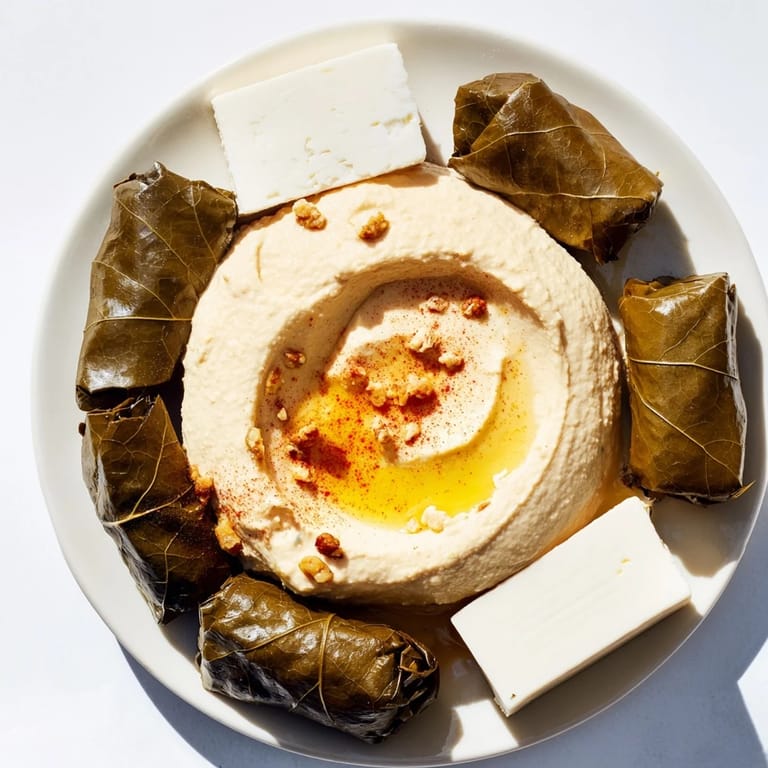
The secret to a platter that looks effortless but feels generous is thinking about height and color while you arrange. Don't lay everything flat in neat rows—create little clusters and heights using small bowls, stacking some items, and leaving some breathing room. The eye needs contrast: the white of feta against dark olives, the green of cucumber against red tomato, the cream of hummus as a focal point everything else orbits around. When you step back, it should look abundant, not crowded.
What Makes This Meal Memorable
A meze platter works because it removes the formality from eating together. There's no "first course" or "main course"—just an invitation to eat what calls to you, when you want it, in whatever combination makes sense. People linger longer, try more combinations, and the conversation deepens in a way that doesn't happen when everyone's focused on cutting and chewing a single dish. It's permission to eat slowly, to enjoy, to talk with your mouth full without guilt.
Variations and Unexpected Additions
Once you understand the rhythm of a meze platter, you can play with it. Roasted red peppers add sweet depth, grilled eggplant brings smokiness, and spiced walnuts add a textural surprise that people always ask about. Raw vegetables like radishes or green onions can replace cucumber if you want brightness and bite. Some people swear by adding a small bowl of muhammara (roasted pepper and walnut spread) or labne (thick yogurt). The core stays the same, but the variations keep it interesting for people who've eaten this a hundred times before, and they make it feel personal and thoughtful to you.
- Try roasted red peppers or grilled eggplant for depth and visual drama.
- Add a small bowl of muhammara or labne to introduce new flavors and textures.
- Keep a few unexpected elements on hand—spiced walnuts, pomegranate seeds, or fresh herbs—to make it your own.
 Pin It
 This platter has become my answer to "what can I bring?" because it always lands right. It says "I put thought into this, I want you to feel welcome, and I'm not stressed about it," all at once.
Recipe Questions & Answers
- → What are dolmas and how are they prepared?
Dolmas are grape leaves stuffed with a herbed rice mixture. They can be homemade by cooking rice with herbs and wrapping it in grape leaves or bought pre-prepared for convenience.
- → Can I substitute cheeses in the platter?
Yes, cheeses like feta, beyaz peynir, kasseri, or halloumi can be used interchangeably depending on availability and taste preferences.
- → How is the hummus made creamy and flavorful?
Blending chickpeas with tahini, olive oil, garlic, lemon juice, and cumin creates a smooth and flavorful hummus that is well balanced and rich.
- → What garnishes complement this Turkish platter?
Fresh cucumber and tomato slices, lemon wedges, and chopped parsley add brightness and freshness to the rich flavors of the platter.
- → What drinks pair well with this assortment?
Crisp white wines such as Turkish Narince or traditional raki provide a refreshing contrast and enhance the meze’s flavors.