 Pin It
 I first tasted authentic döner at a street stall in Istanbul during a sweltering July afternoon, watching the meat spin hypnotically on its vertical spit, glistening and charring at the edges. The vendor sliced it with practiced ease, each shaving falling into the pita like thin sheets of paper, and I remember thinking there's no way I could recreate that magic at home. Years later, after borrowing techniques from a Turkish colleague and adapting them to my kitchen setup, I discovered that the secret wasn't the fancy equipment—it was patience, the right spice blend, and understanding how layering meat creates that coveted texture. Now this recipe lives on my rotation, and it never fails to transport my family straight to those bustling Istanbul streets.
I made this for my sister's birthday dinner when she was craving döner after returning from Turkey, and the moment I pulled it from the oven and the aroma filled the kitchen, she actually got tears in her eyes. We spent the evening building our own wraps at the table, passing around the tomatoes and yogurt sauce like we were sharing something sacred, and everyone went back for thirds. That's when I realized döner isn't really about the meat—it's about gathering people around food that reminds them of somewhere beautiful.
Ingredients
- Boneless lamb shoulder or beef sirloin, thinly sliced (1 kg): The cut matters more than you'd think—shoulder has enough fat to stay juicy, while sirloin gives a leaner result, so choose based on your preference for richness.
- Lamb or beef fat, thinly sliced (100 g): This is optional but genuinely transforms the texture; the fat crisps at the edges and keeps the meat impossibly tender inside.
- Plain Greek yogurt (150 g): The yogurt tenderizes the meat while adding subtle tang that balances the warm spices.
- Olive oil (3 tbsp): Use a quality one—it carries the flavor of the marinade into every slice.
- Garlic, minced (3 cloves): Fresh garlic is non-negotiable; it sharpens the spice profile and prevents the marinade from tasting flat.
- Grated onion with juice squeezed out (1 large onion): The squeezing step is crucial—excess moisture will make the meat watery, so don't skip it.
- Ground cumin (2 tsp): Cumin brings warmth and earthiness; it's the backbone of the spice blend.
- Ground coriander (2 tsp): Coriander adds a subtle citrus note that lifts the heavier spices.
- Sweet paprika (2 tsp): This gives color and gentle sweetness without heat.
- Smoked paprika (1 tsp): The smoke mimics the flavor you'd get from a traditional spit, so don't skip it.
- Ground black pepper (1 tsp): Freshly ground makes a real difference—pre-ground loses potency faster.
- Salt (1 ½ tsp): Add it to the marinade, not at the end, so it fully penetrates the meat.
- Ground cinnamon (½ tsp): A tiny whisper of cinnamon adds complexity and depth that no one can quite identify—that's the magic touch.
- Chili flakes (½ tsp, optional): Add these only if you like heat; the recipe works beautifully without them.
Tired of Takeout? 🥡
Get 10 meals you can make faster than delivery arrives. Seriously.
One email. No spam. Unsubscribe anytime.
Instructions
- Build your marinade base:
- Whisk together the Greek yogurt, olive oil, minced garlic, and squeezed onion in a large bowl until smooth. The mixture should look creamy and cohesive.
- Add all the warm spices:
- Stir in the cumin, coriander, both paprikas, black pepper, salt, cinnamon, and chili flakes if using. Mix thoroughly until the color is even and the aroma hits you—you'll know it's right when it smells like every Turkish spice bazaar at once.
- Coat the meat completely:
- Add your sliced meat and fat (if using) to the marinade and turn everything gently until every piece is glossy and coated. This takes patience; rushing it means uneven seasoning.
- Let time do the work:
- Cover the bowl tightly and refrigerate for at least 4 hours, but overnight is truly better. The yogurt continues to tenderize the meat, and the spices settle in deeper.
- Prepare your cooking method:
- If you have a vertical rotisserie, thread the marinated meat onto the spit carefully, alternating meat and fat to build layers. If using an oven, preheat it to 200°C (400°F) and prepare metal skewers or a loaf pan to layer the meat tightly, pressing down as you go to create density.
- Roast until the edges char:
- Place your skewers or loaf pan on a rack over a baking tray to catch drippings. Roast for about 1 hour, basting with the pan juices every 15 minutes or so—this keeps the meat moist and helps develop flavor. For the last 15 minutes, bump the heat to 220°C (430°F) to get those crispy, caramelized edges.
- Rest and slice with intention:
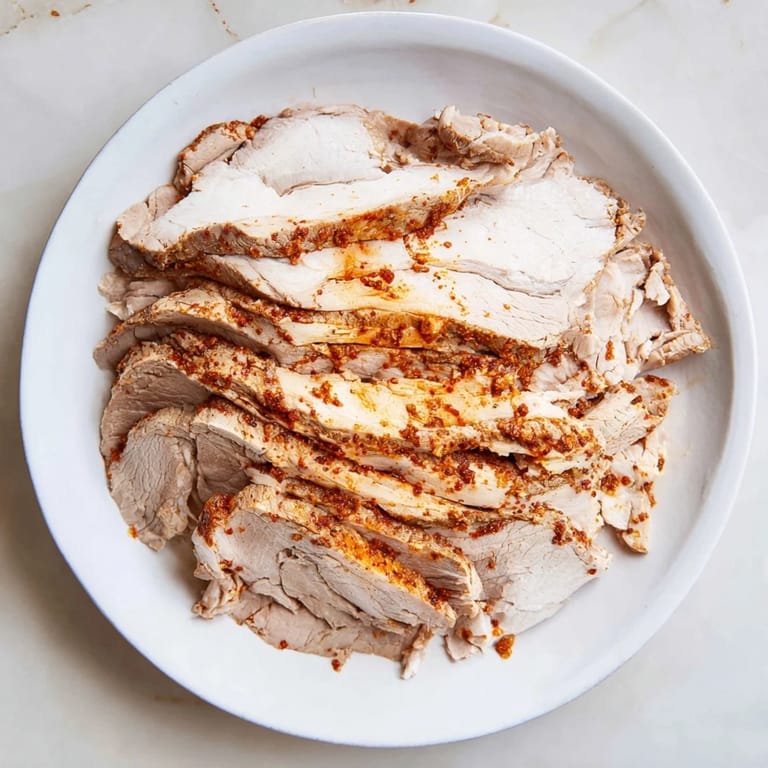
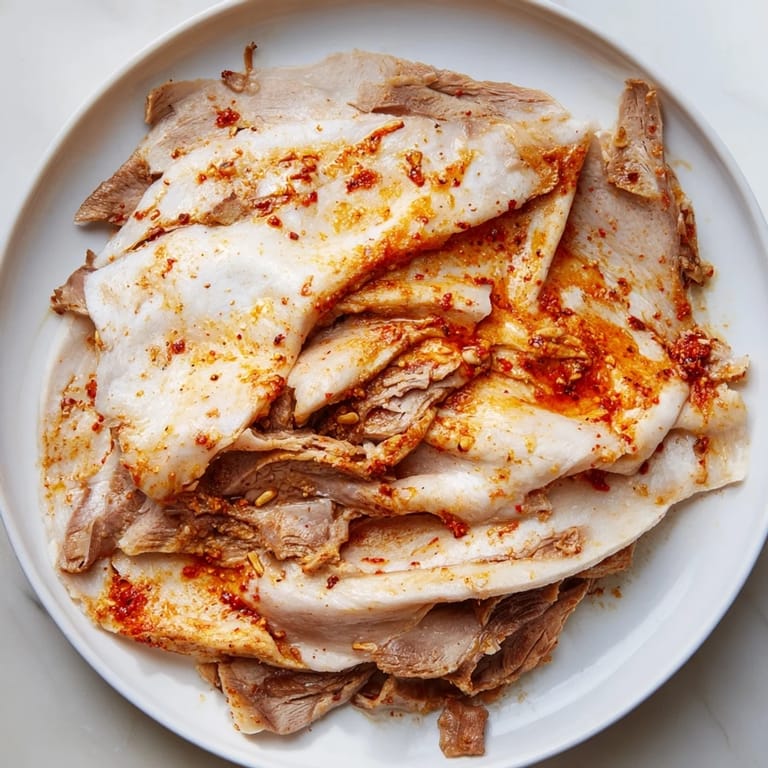
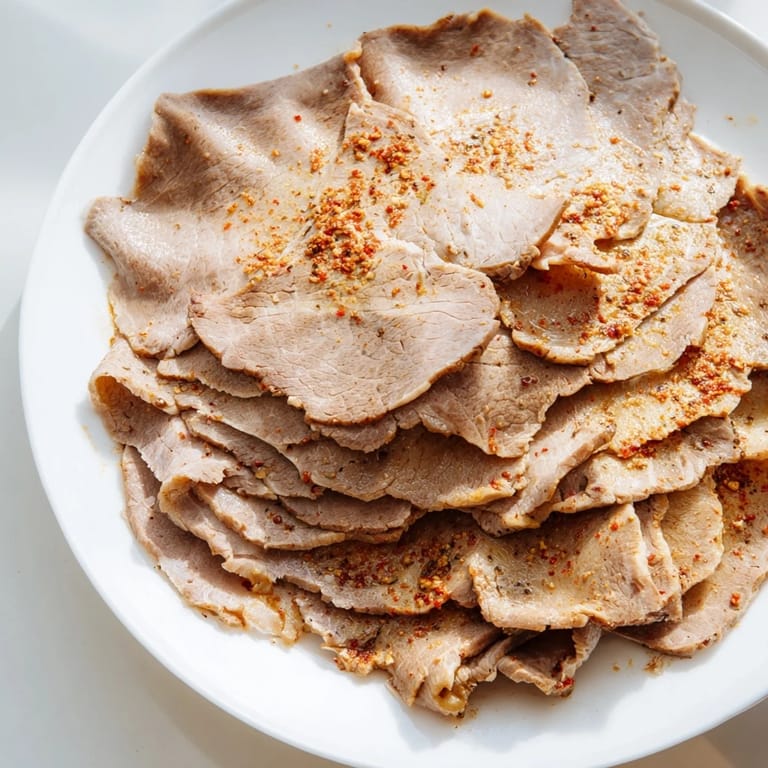
- Remove from the oven and let it rest for 10 minutes—this allows the juices to redistribute and keeps each slice tender. Using a very sharp knife, slice as thinly as you possibly can; thinner slices are more authentic and taste better.
- Serve while still warm:
- Transfer to a warm platter and bring it to the table immediately with flatbreads, fresh vegetables, and your choice of sauce. Let everyone build their own wrap—it's part of the experience.
 Pin It
 The first time my teenage son came home and said he wanted to learn to cook this recipe, I realized how food becomes a bridge between generations and places. We made it together on a rainy Sunday, and halfway through, he asked why I added cinnamon, and I found myself telling him stories about markets and spices I'd almost forgotten. That afternoon taught me that recipes are really just containers for memory and connection.
Making Döner Without a Spit
Most home kitchens won't have a vertical rotisserie, and that's completely fine—your oven can absolutely deliver döner that rivals the street vendors. The oven method works because you're still building layers and still getting that crucial combination of moisture and heat. The key is understanding that the loaf pan or stacked skewers mimic the compression and density of a spit, so don't be tempted to spread the meat out thinly on a flat pan; that's where home versions often go wrong. Pack it tightly, baste it faithfully, and the result will surprise you.
The Spice Story Behind Döner
Every spice in this marinade serves a purpose beyond taste, and understanding them makes you a better cook. Cumin and coriander create the warm foundation that makes döner taste like döner, while paprika adds both color and that grilled flavor your oven can't quite create on its own. The cinnamon is the secret ingredient—it's barely perceptible but adds a subtle sweetness that rounds out the earthier spices and prevents the dish from tasting one-dimensional. These spices have traveled Middle Eastern and Mediterranean kitchens for centuries, and when you layer them properly, you're not just cooking; you're honoring a tradition.
Serving and Building Your Perfect Wrap
Döner is best served immediately while the meat is still warm, because warmth carries flavor and makes everything feel more alive on your palate. I like to set up a little station with warm flatbreads, sliced tomatoes, red onions, fresh lettuce, cucumber, and both yogurt and a spicy sauce—let everyone build exactly what they want. The beauty of döner is that it's infinitely customizable; some people go heavy on vegetables, others want mostly meat and sauce, and both versions are equally valid.
- Always warm your flatbreads briefly over a flame or in a dry pan so they're pliable and can hold the filling without tearing.
- Keep the sliced döner on a warm plate and don't let it sit uncovered, or it dries out quickly.
- If you're serving a crowd, you can slice the döner ahead and reheat it gently in a low oven just before people arrive.
 Pin It
 Making döner at home is easier than you think and infinitely more satisfying than ordering takeout. Every time you pull that golden, fragrant meat from the oven, you're creating something that tastes like travel, like memory, and like love.
Recipe Questions & Answers
- → What cuts of meat work best for Turkish döner?
Boneless lamb shoulder or beef sirloin, thinly sliced, provide tender and flavorful results, with optional lamb or beef fat for authenticity.
- → How long should the meat marinate?
For best flavor penetration, marinate the meat for at least 4 hours, preferably overnight in the refrigerator.
- → Can I cook the döner without a vertical rotisserie?
Yes, tightly stacking and roasting the meat skewers or in a loaf pan in the oven mimics slow cooking with great results.
- → What spices are essential in the marinade?
Ground cumin, coriander, sweet and smoked paprika, black pepper, cinnamon, and optional chili flakes create the signature aromatic profile.
- → How should the cooked meat be served?
Thinly sliced, this meat is excellent in warm pita or flatbreads, or served over rice with fresh sliced vegetables and sauces like garlic yogurt.
- → Are there any recommended accompaniments?
Fresh vegetables like tomatoes, onions, lettuce, cucumber, as well as yogurt-based sauces, complement the rich spiced meat well.