 Pin It
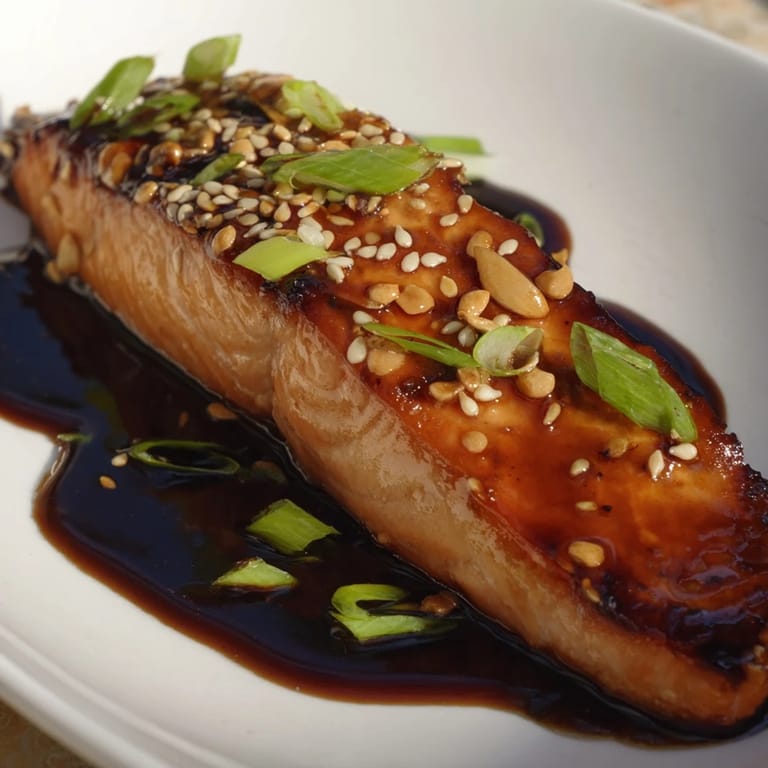
 There's something about the sound of salmon skin hitting a hot pan that makes you feel like you're actually cooking something impressive. I discovered this ginger-soy glaze on a random Tuesday when I had exactly twenty minutes and four fillets in the fridge, and somehow it became the dish I make whenever I want to feel both fancy and capable. The caramelized edges, the sticky-sweet sauce clinging to every bite—it's deceptively simple, which is precisely why it works.
My roommate once walked in right as I was spooning the thickened glaze over the salmon, and the smell alone made them cancel their plans and ask if there was extra. That's when I knew this recipe was something worth keeping close.
Ingredients
- Skin-on salmon fillets (4, about 6 oz each): The skin becomes crackling-crisp when seared properly, and it's where so much of the flavor lives—don't skip it or remove it.
- Kosher salt and freshly ground black pepper: A light seasoning before the pan lets the fish speak for itself; you want restraint here.
- Low-sodium soy sauce (1/4 cup): Low-sodium gives you control over the final salt level, which matters more than you'd think with a glaze this concentrated.
- Honey (2 tbsp): This isn't just sweetness—it caramelizes slightly and helps the glaze cling to the fish, creating that glossy finish.
- Fresh ginger (1 tbsp, grated): Freshly grated makes all the difference; the juice and oils in it are where the real warmth comes from, not from powder.
- Garlic (2 cloves, minced): Raw garlic in the glaze softens as it cooks in the residual heat, adding savory depth without overpowering.
- Rice vinegar (1 tbsp): The acid cuts through the richness and prevents the glaze from feeling one-dimensional.
- Sesame oil (1 tsp): A teaspoon is plenty; it's aromatic and potent, and too much makes the glaze heavy.
- Toasted sesame seeds and green onions: These finish the dish with texture and brightness, but they're truly optional if you're in a rush.
Tired of Takeout? 🥡
Get 10 meals you can make faster than delivery arrives. Seriously.
One email. No spam. Unsubscribe anytime.
Instructions
- Prep your fillets:
- Pat each salmon fillet dry with paper towels—moisture is the enemy of crispy skin. Season both sides lightly with salt and pepper, letting the seasoning sit while you make the glaze.
- Build the glaze:
- Whisk soy sauce, honey, ginger, garlic, rice vinegar, and sesame oil together in a small bowl until the honey dissolves. The mixture should smell bright and balanced, not overly salty or sweet.
- Get the pan screaming hot:
- Heat a large nonstick or cast iron skillet over medium-high heat until it's genuinely hot—a drop of water should sizzle immediately. Add a touch of neutral oil if using cast iron.
- Sear the salmon skin-side down:
- Place fillets skin-side down without moving them for exactly four minutes; don't peek, don't fuss. The skin will render and crisp, turning golden at the edges.
- Flip and cook through:
- Flip gently and cook the other side for two to three minutes until the flesh is nearly opaque but still slightly tender in the center.
- Add the glaze and finish:
- Lower the heat to medium-low, pour the glaze over each fillet, and spend the next two to three minutes spooning the sauce back over the fish. You'll watch it thicken and cling, turning glossy and sticky.
- Plate and serve:
- Remove from heat and transfer fillets to plates while they're still glistening. Spoon any remaining glaze from the pan over the top, then add sesame seeds and green onions if you have them.
 Pin It
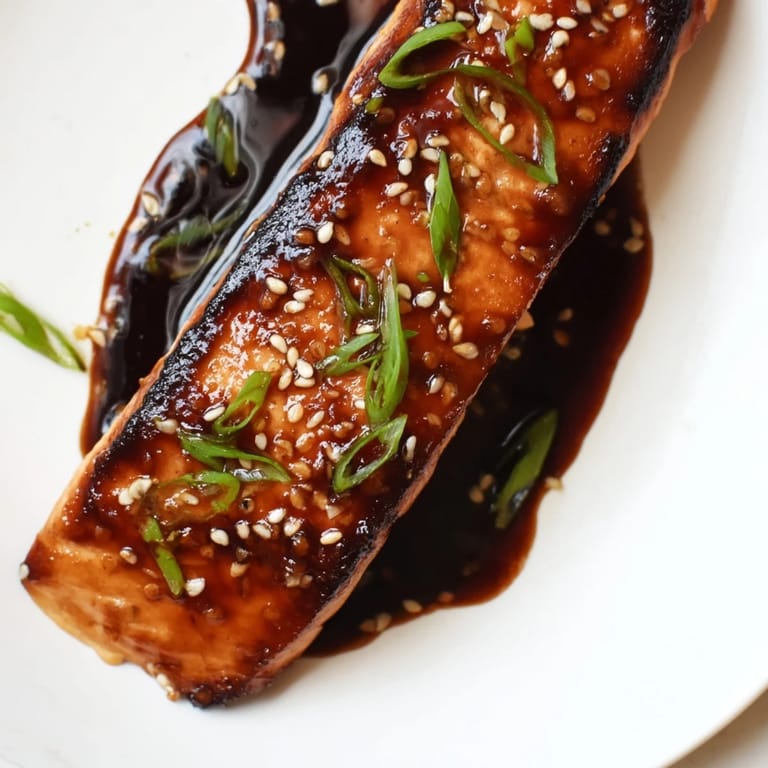
 The moment when you pull the pan off the heat and the glaze has become this glossy, amber coating is the moment you realize you've actually nailed it. This dish shifted from being something I made when I had nothing else in the fridge to something I crave.
Why This Glaze Works
The balance of sweet, salty, tangy, and nutty is what makes this sauce feel so much more sophisticated than its ingredient list suggests. Honey provides sweetness and helps create that caramelized finish, while rice vinegar and sesame oil round out the edges and add complexity. The ginger and garlic infuse everything with warmth without ever feeling spicy or harsh—they mellow as the glaze simmers and clings to the fish.
Timing and Temperature Matter
The entire cook time is less than fifteen minutes, but that doesn't mean rush it. Medium-high heat for the sear gives you that crispy-edged fish without a raw center, and lowering the temperature for the glaze step prevents the honey from burning while it thickens. Trust the timing, and you'll end up with salmon that's moist and flaky inside with a mahogany-colored exterior.
Serving and Variations
This salmon shines alongside steamed jasmine rice or a pile of sautéed bok choy, though roasted vegetables work beautifully if you're keeping things light. If you want heat, a pinch of red chili flakes stirred into the glaze transforms it; if honey isn't your thing, maple syrup or brown sugar swap in seamlessly. A squeeze of fresh lemon or lime over the finished plate brightens everything and cuts through the richness just enough.
- Make the glaze up to a day ahead and store it in the fridge; bring it to room temperature before cooking.
- If you're cooking for a crowd, you can double or triple the glaze without issue and sear fillets in batches to avoid crowding the pan.
- Leftovers taste surprisingly good cold the next day, though the skin loses some of its crispness.
 Pin It
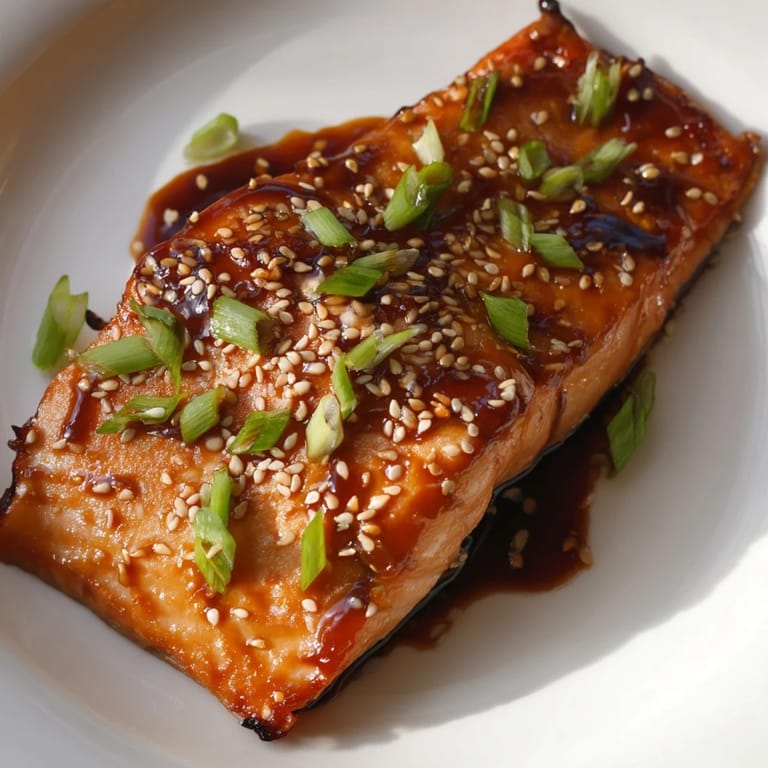
 This recipe proved to me that simple ingredients cooked with intention taste better than complicated techniques covering up mediocre fish. It's the kind of dish that makes weeknight cooking feel less like a chore and more like something worth celebrating.
Recipe Questions & Answers
- → How do you achieve a crispy skin on the salmon?
Pat the salmon dry and sear skin-side down on medium-high heat without moving it for 4 minutes. This allows the skin to crisp while locking in moisture.
- → Can I substitute honey in the glaze?
Yes, maple syrup or brown sugar work well as alternatives, offering a different subtle sweetness.
- → What sides complement this dish?
Steamed rice, sautéed greens, or roasted vegetables balance the rich flavors and textures of the salmon.
- → How to add a spicy element to the glaze?
Incorporate 1/2 teaspoon of red chili flakes into the glaze for a gentle heat that complements the sweet and savory notes.
- → Is this dish suitable for dairy-free diets?
Yes, it contains no dairy ingredients and fits well within dairy-free dietary requirements.