 Pin It
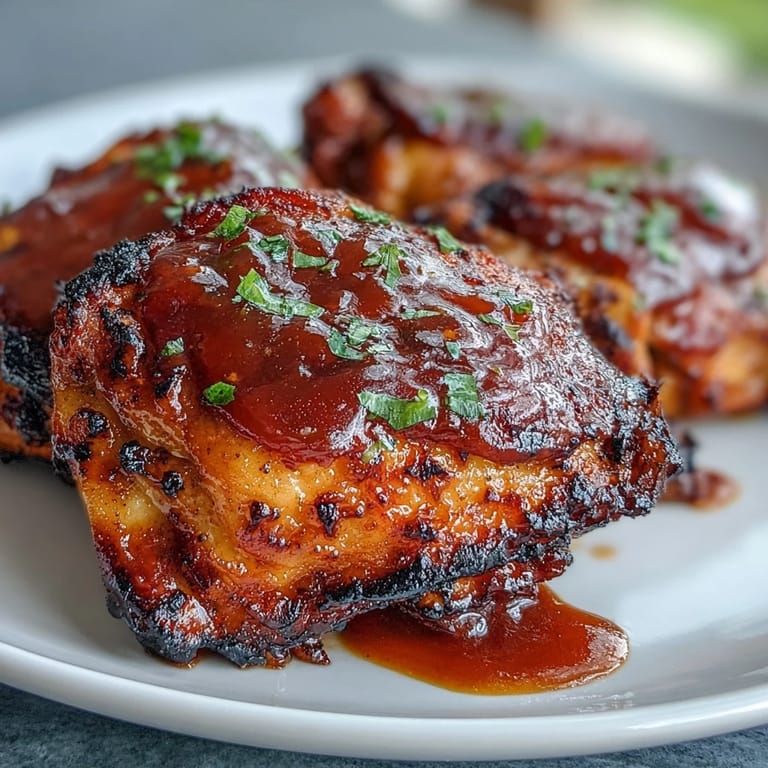
 My neighbor Marcus showed up one Saturday with a bag of fresh guavas from his tree, insisting I do something interesting with them besides the usual jam. That afternoon, standing in my kitchen with sticky guava paste on my hands, I had this wild thought: what if I melted it into BBQ sauce? The first batch turned out oddly perfect—sweet, tangy, with this tropical backbone that made roasted chicken taste like a beach vacation on a plate. Now whenever someone asks what's for dinner at my house, this is what they hope to hear.
I made this for my sister's backyard gathering last summer, and I remember watching people take that first bite—their faces always did this little double-take when the sweetness hit followed by the savory smoke. Someone asked if I'd bought it from some fancy restaurant, which made me laugh while secretly feeling pretty proud standing there in my apron with BBQ sauce smudged on my sleeve.
Ingredients
- Guava paste: This is the soul of the sauce—look for it in the international aisle or Latin section, and don't substitute with jam because the texture needs that concentrated richness to meld properly with the other flavors.
- Apple cider vinegar: The acid cuts through the sweetness and keeps everything balanced, so resist the urge to skip it or use regular vinegar instead.
- Brown sugar: Adds depth and helps the sauce caramelize on the chicken, creating those gorgeous sticky-glossy bits you'll want to lick off your fingers.
- Worcestershire sauce: Check the label for gluten if that matters to you, and yes, the umami is non-negotiable for that savory backbone.
- Smoked paprika: This quiet ingredient does heavy lifting—it whispers smoke into every bite without overpowering the tropical vibe.
- Bone-in, skin-on chicken thighs: They stay juicier than breasts and the skin gets crackling and caramelized, which is where all the textural magic happens.
- Garlic and mustard: Together they add complexity and prevent the sauce from tasting one-dimensional or cloyingly sweet.
Tired of Takeout? 🥡
Get 10 meals you can make faster than delivery arrives. Seriously.
One email. No spam. Unsubscribe anytime.
Instructions
- Build Your Sauce First:
- Combine the guava paste, ketchup, vinegar, brown sugar, Worcestershire, mustard, minced garlic, smoked paprika, cayenne if using, salt, pepper, and water in a saucepan over medium heat. You're looking for that moment when the guava paste finally surrenders and melts into the liquid, creating something smooth and glossy—usually about 5 to 7 minutes of gentle simmering, stirring now and then so nothing sticks.
- Prep Your Chicken:
- Pat those thighs completely dry with paper towels, which sounds boring but is actually crucial for getting crispy skin. Rub them all over with olive oil, salt, black pepper, and garlic powder like you're giving them a little spa treatment, making sure everything gets coated underneath and in the crevices.
- Get the Oven Started:
- Heat your oven to 400°F and line a baking sheet with foil or parchment paper for easy cleanup later. Arrange the chicken skin-side up on the sheet—give them a little space so hot air can circulate and crisp that skin properly.
- First Roast:
- Let the chicken roast untouched for 25 minutes, which is when the skin begins turning golden and the meat starts cooking through. You'll smell it—that's when you know it's working.
- Glaze and Finish:
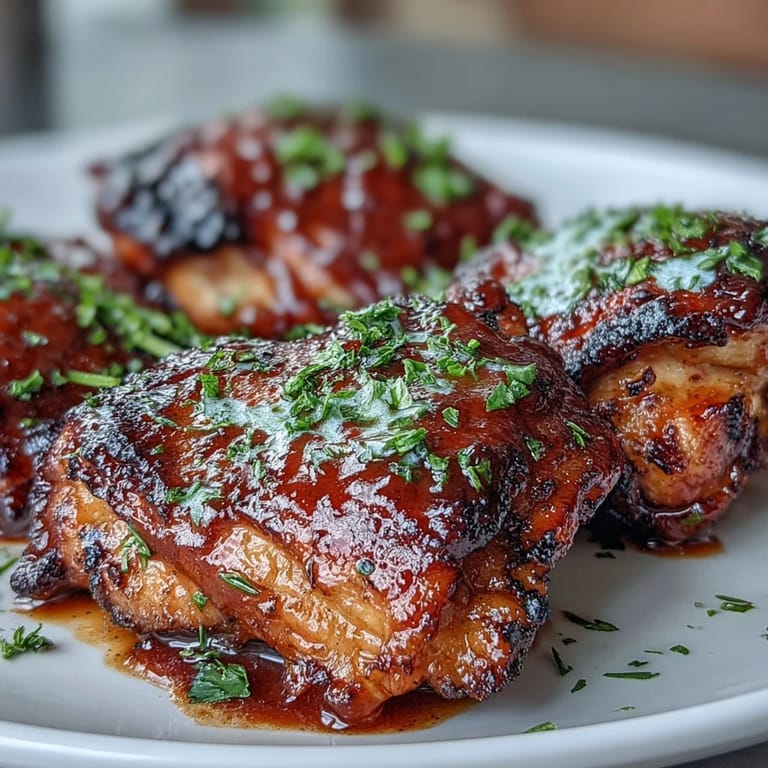
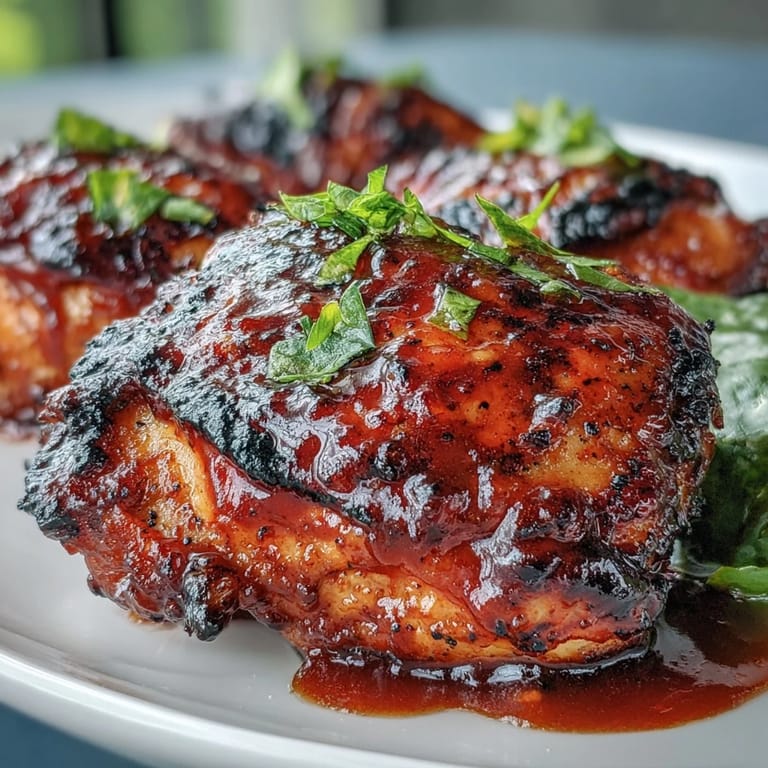
- Brush the sauce generously over each piece, then return to the oven for another 20 to 25 minutes, brushing again halfway through if you remember. Watch for that caramelized, glossy finish and check that the thickest part of the thigh hits 165°F on a meat thermometer.
- The Most Important Part:
- Let it rest for 5 minutes before diving in—this keeps the juices from running all over your plate and ensures every bite stays tender and moist.
 Pin It
 There's something special about watching someone taste this for the first time and seeing them pause, trying to figure out what's different about it. That moment when the tropical sweetness and smoky depth clicks in their brain—that's when you know you've cracked the code on something worth making again and again.
When Guava Paste Feels Like Trouble
The first time I made this, I used guava paste straight from the can without chopping it, and it took forever to melt and created this weird chunky situation in my sauce. Now I chop it into smaller pieces and drop them in when the liquid's already warm—they soften and integrate way faster, giving you a smoother, silkier result. The difference between frustration and success sometimes really is just a knife and five extra seconds of prep.
Making It Your Own
Once you make this sauce once, you'll start experimenting—maybe adding a splash of lime juice, a pinch more cayenne, or even a tiny bit of rum to really lean into that tropical angle. I've also swapped the Worcestershire for soy sauce when I had friends over who couldn't do gluten, and honestly it was even better, adding this deeper umami layer. The beauty of a homemade sauce is that it's yours to play with, not some rigid formula you found on the internet.
Beyond the Chicken
After you've nailed this on chicken, don't think you're done—this sauce is hungry for more applications. I've brushed it on pork chops, used it as a glaze for roasted pineapple spears, drizzled it over grilled shrimp, and even spooned it over rice as a condiment when we had leftovers. It keeps in the fridge for up to a week, so make extra and watch it vanish faster than you'd expect.
- Drizzle leftovers over rice, roasted vegetables, or even vanilla ice cream if you're feeling adventurous and sweet.
- The sauce freezes beautifully in an ice cube tray, giving you single-serve portions ready to thaw and use whenever inspiration strikes.
- Serve extra sauce on the side because people will want to double-dip without asking, and giving them the option saves you from watching them hover over the serving plate.
 Pin It
 This recipe turned into one of those dishes I make without thinking now, like my hands remember every step and my nose knows exactly when it's ready. It's become the thing I bring to potlucks, the meal I cook when someone's had a rough week, and the proof that sometimes the best kitchen ideas come from a neighbor with a guava tree and too much confidence.
Recipe Questions & Answers
- → Can I use boneless chicken instead of thighs?
Boneless chicken breasts or thighs work well. Reduce cooking time to 15-20 minutes initially, then glaze and finish for 10-15 minutes until internal temperature reaches 165°F.
- → What can I substitute for guava paste?
Guava jelly or apricot preserves make excellent substitutes. If using jelly, slightly reduce the brown sugar in the sauce since jelly tends to be sweeter than paste.
- → How long does the guava BBQ sauce keep?
The sauce stores beautifully in an airtight container in the refrigerator for up to one week. Use it on grilled meats, as a dipping sauce, or even as a pizza base.
- → Can I make this on a grill instead of oven?
Absolutely. Grill chicken over medium heat for about 6-7 minutes per side, then brush with sauce during the last few minutes of cooking. The grill adds a lovely smoky char that complements the tropical flavors.
- → Is this sauce spicy?
The cayenne pepper is optional and adds mild heat. Without it, the sauce focuses on sweet and tangy flavors. Adjust the amount to suit your preference or omit entirely for a family-friendly version.
- → Why does the chicken need to rest before serving?
Resting for 5 minutes allows juices to redistribute throughout the meat, ensuring each bite remains moist and flavorful. Cutting too soon lets precious juices escape onto the cutting board.