 Pin It
 The kitchen smelled like a sunlit citrus grove the morning I pulled this cake from the oven, its top cracked just enough to show off that tender crumb inside. I'd been hoarding blood oranges from the farmers market all week, their deep crimson flesh almost too pretty to slice. My neighbor knocked on the door right as I was zesting the second one, and we ended up sitting at the counter, talking about nothing important while the batter came together in less time than it took to brew coffee. That cake cooled on the rack between us, and by the time she left, half of it was gone. Some recipes just have that effect on people.
I made this for my sister's birthday brunch last spring, and she still texts me photos of blood oranges whenever she sees them at the store. She's not usually the sentimental type, but something about that morning, the way the icing caught the light coming through the window, stuck with her. We ate it with our fingers straight off the platter, laughing about how we were supposed to be adults now. The cake didn't last long enough to make it to proper plates.
Ingredients
- All-purpose flour: The backbone of the crumb, giving just enough structure without turning the cake tough or dry.
- Baking powder: Creates that gentle rise and airy texture, especially important since there's no butter to help with lift.
- Salt: Balances the sweetness and makes the citrus flavor pop instead of fade into the background.
- Plain Greek yogurt: Adds tang and richness, keeping the cake moist for days without feeling heavy or greasy.
- Granulated sugar: Sweetens without overpowering the delicate floral notes of the blood orange.
- Eggs: Bring the batter together and give the cake its tender structure, so make sure theyre at room temperature for even mixing.
- Blood orange zest: This is where the magic lives, those fragrant oils that make the whole kitchen smell like a dream.
- Blood orange juice: Freshly squeezed is non-negotiable here, the bottled stuff just tastes flat and sad.
- Vanilla extract: A quiet supporting player that rounds out the citrus without competing for attention.
- Coconut oil: Melted and cooled, it keeps the crumb soft and adds a subtle richness that butter sometimes can't.
- Powdered sugar: Sifted smooth for an icing that drapes over the cake like silk instead of clumping.
Tired of Takeout? 🥡
Get 10 meals you can make faster than delivery arrives. Seriously.
One email. No spam. Unsubscribe anytime.
Instructions
- Prep the Pan:
- Preheat your oven to 350°F and butter every corner of a 9x5-inch loaf pan, then dust it lightly with flour or line it with parchment for easy release. This step saves you from heartbreak later when the cake sticks.
- Mix the Dry Ingredients:
- Whisk together the flour, baking powder, and salt in a medium bowl until evenly combined. Set it aside and resist the urge to skip this step, clumps of baking powder ruin everything.
- Combine Yogurt and Sugar:
- In a large bowl, whisk the Greek yogurt and sugar together until the mixture is smooth and the sugar starts to dissolve. It should look creamy and a little glossy.
- Add Eggs and Citrus:
- Whisk in the eggs one at a time, letting each one blend in before adding the next, then stir in the blood orange zest, juice, and vanilla. The batter will smell incredible at this point.
- Fold in Dry Ingredients:
- Gently fold the flour mixture into the wet ingredients until just combined, stopping as soon as you dont see streaks of flour. Overmixing here turns the cake tough and chewy instead of tender.
- Incorporate the Oil:
- Pour in the melted coconut oil and fold it through gently until the batter looks silky and unified. The oil should disappear completely into the batter.
- Bake:
- Pour the batter into your prepared pan, smooth the top with a spatula, and slide it into the oven for 50 minutes. You'll know it's done when a toothpick poked into the center comes out clean or with just a few moist crumbs.
- Cool:
- Let the cake rest in the pan for 10 minutes to set, then turn it out onto a wire rack to cool completely. Patience here is key, icing a warm cake just turns into a puddle.
- Make the Icing:
- Whisk together the powdered sugar, blood orange juice, and zest until the icing is smooth and pourable but not too runny. If it's too thick, add a few drops of juice; too thin, add a little more sugar.
- Ice and Serve:
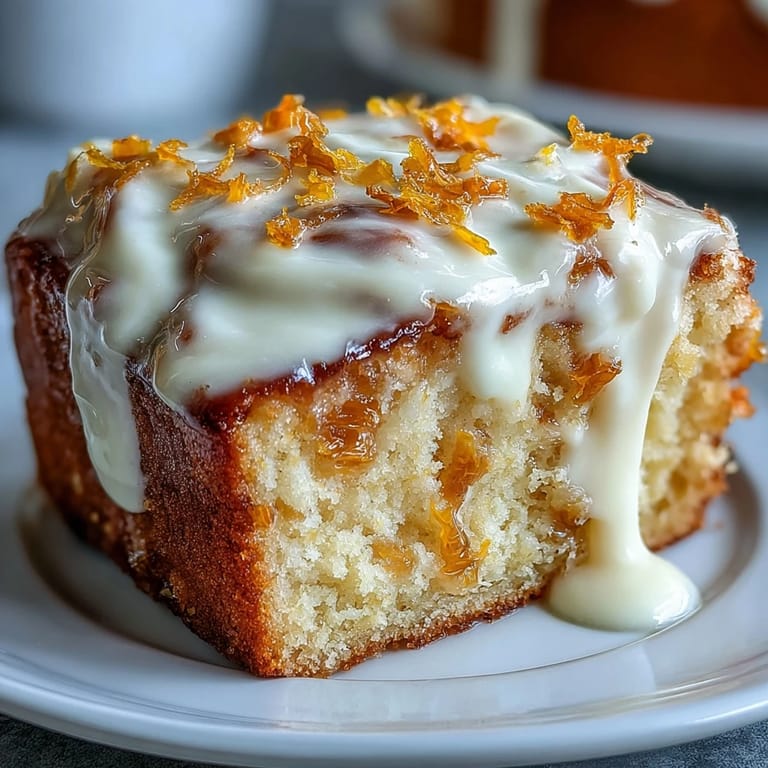
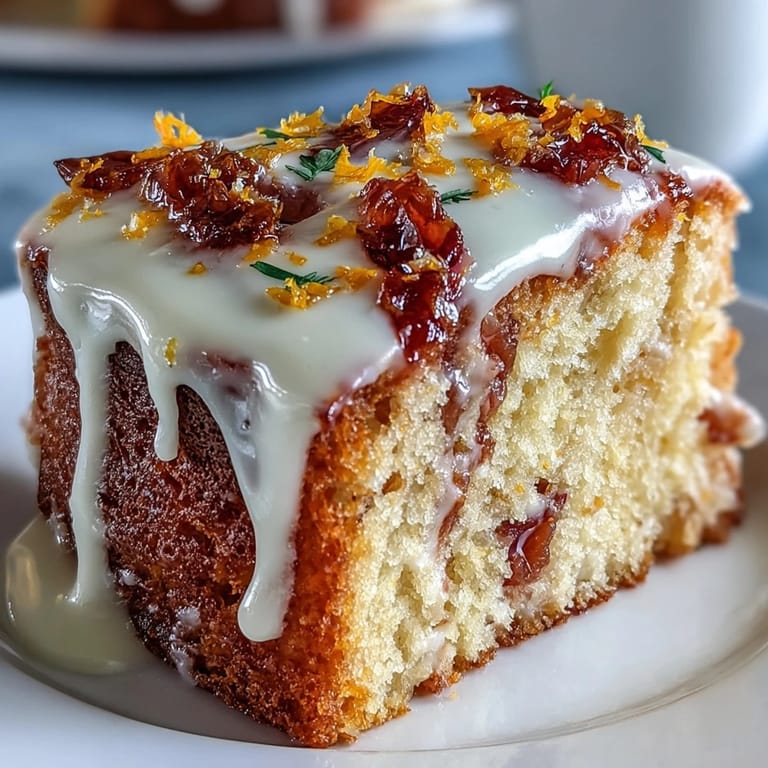
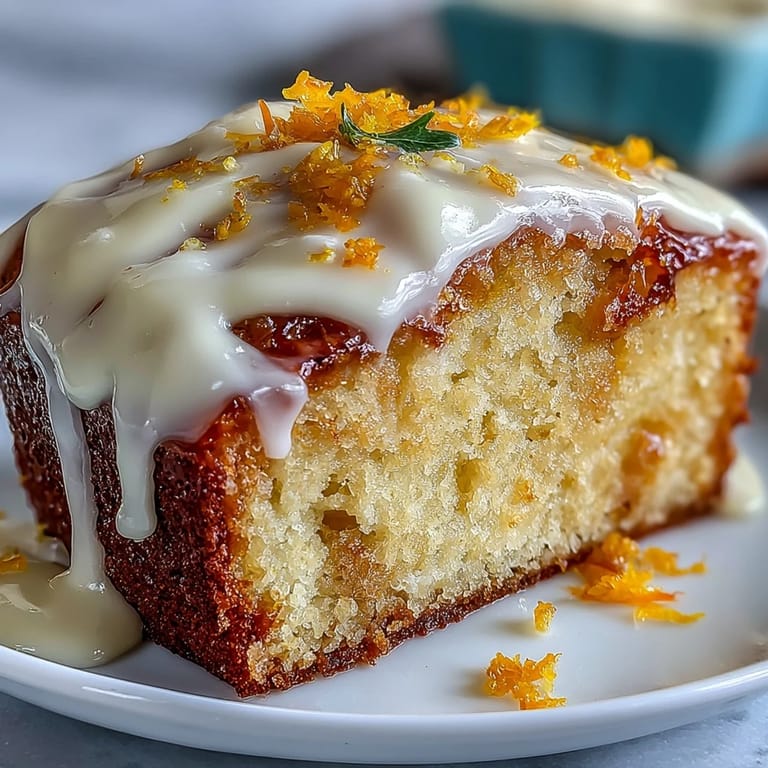
- Drizzle the icing over the cooled cake in slow, deliberate ribbons, letting it cascade down the sides. Let it set for at least 20 minutes before slicing so the icing hardens into that beautiful glossy shell.
 Pin It
 There was an afternoon last February when I brought this cake to a potluck, and someone asked if I'd gone to pastry school. I laughed because I'd made it in my pajamas that morning, half-asleep, with a toddler hanging off my leg. The truth is, this cake makes you look like you tried harder than you did. It's become my secret weapon for moments when I want to show up with something beautiful without spending all day in the kitchen.
Choosing Your Blood Oranges
Not all blood oranges are created equal, and I learned this the hard way after buying a bag that looked stunning but tasted like disappointment. Look for fruits that feel heavy for their size, a sign they're juicy and ripe, and don't worry if the skin isn't perfectly red, the flesh inside is what matters. I like to give them a gentle squeeze at the store, they should yield just slightly without feeling mushy. The best ones I've ever found came from a tiny farm stand in late winter, their peak season, and the difference in flavor was like night and day. If you can only find regular oranges, the cake will still be lovely, but it won't have that signature ruby hue or the subtle berry-like undertone.
Storing and Serving Suggestions
This cake sits beautifully on the counter under a dome for up to two days, the icing protecting the crumb from drying out. I've also wrapped slices in parchment and tucked them into lunchboxes, where they hold up surprisingly well and make midday feel a little more special. If you want to keep it longer, refrigerate it in an airtight container, but let it come to room temperature before serving so the texture softens back up. I love serving it with a handful of fresh raspberries or a small spoon of lightly sweetened whipped cream, though honestly it needs nothing at all. Leftover cake, if such a thing exists in your house, also makes an unbelievable base for a trifle layered with mascarpone and berries.
Making It Your Own
Once you've made this cake as written, it becomes a template for all kinds of citrus experiments. I've swapped in Meyer lemons when blood oranges weren't in season, and the result was just as lovely, bright and floral with a softer sweetness. A friend of mine added a tablespoon of poppy seeds to the batter and said it reminded her of the bakery her grandmother used to take her to. You could also fold in a handful of fresh blueberries or use lime zest and juice for a more tropical spin.
- Try using melted unsalted butter instead of coconut oil for a richer, more traditional crumb.
- Add an extra tablespoon of blood orange juice to the icing if you want a thinner glaze that soaks into the top.
- Dust the finished cake with a little extra zest right before serving for a pop of color and fragrance.
 Pin It
 This cake has a way of turning ordinary mornings into something worth remembering, whether you're sharing it with a crowd or eating a thick slice alone with your coffee. I hope it finds a place in your kitchen the way it has in mine.
Recipe Questions & Answers
- → Can I use regular oranges instead of blood oranges?
Yes, regular oranges work well as a substitute. The flavor will be slightly less complex, but the cake will still be delicious and moist.
- → How do I know when the cake is fully baked?
Insert a toothpick into the center of the cake. If it comes out clean or with just a few moist crumbs, the cake is done. The top should be golden and spring back when lightly pressed.
- → Can I make this cake ahead of time?
Absolutely! The cake stays moist for up to 2 days at room temperature when covered, or up to 5 days in the refrigerator. Add the icing just before serving for best presentation.
- → What can I substitute for coconut oil?
Melted unsalted butter is an excellent substitute and will give the cake a richer, more traditional flavor. Use the same amount as the coconut oil.
- → Why is my icing too thick or too thin?
Adjust the consistency by adding more blood orange juice to thin it out, or more powdered sugar to thicken it. The icing should be pourable but not runny.
- → Can I freeze this cake?
Yes, wrap the unfrosted cake tightly in plastic wrap and aluminum foil. Freeze for up to 3 months. Thaw at room temperature and add icing before serving.