 Pin It
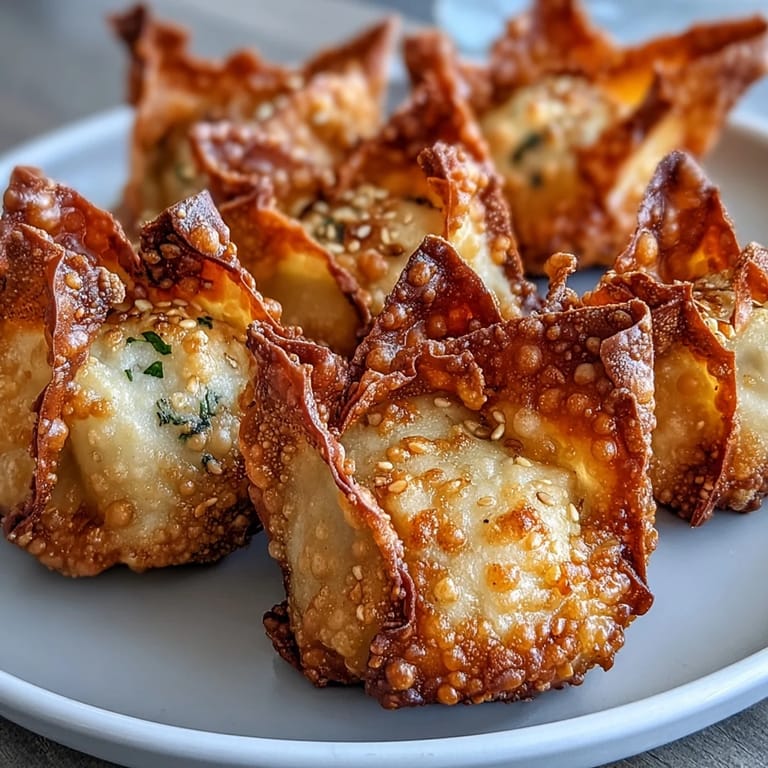
 The first time I scrolled past those crispy rice paper dumplings online, I didn't think twice—until my roommate made them at midnight, and suddenly the whole apartment smelled like toasted sesame and golden possibility. What got me hooked wasn't just the viral appeal, but how they came together in my own kitchen: that satisfying crackle when they hit the hot oil, the way the rice paper transforms from delicate and translucent to shatteringly crisp. I've since made them on lazy weekends, for impromptu dinner guests, and honestly, more than once just because I needed something warm and crunchy in my hands. They're the kind of recipe that feels fancier than it actually is.
I remember making a double batch for a potluck last autumn, nervous about whether anyone would actually eat them since they looked so delicate. Instead, they disappeared within five minutes, and three people asked for the recipe that same night. One friend said it was the crispiest thing she'd had all year, and suddenly my kitchen experiment became a request I keep getting.
Ingredients
- Firm tofu (200 g), pressed and crumbled: Pressing removes moisture so your filling stays textured and the rice paper doesn't get soggy—this step actually matters more than you'd think.
- Carrot (1 medium), shredded: Adds natural sweetness and a subtle crunch that keeps things interesting in every bite.
- Shiitake mushrooms (80 g), finely chopped: These are your umami anchor, giving depth that makes people wonder if there's secretly meat hiding inside.
- Zucchini (1 small), shredded and squeezed: The squeeze is crucial—wet zucchini will make your dumplings weep, so don't skip this step no matter how tedious it feels.
- Spring onions (2), finely sliced: They brighten everything up and add a gentle bite without overpowering the delicate flavors.
- Garlic (2 cloves), minced: Even this small amount punches through, so use fresh cloves and mince them fine.
- Soy sauce (1 tbsp): Use tamari if gluten-free, and don't shortcut this—it's where the salty-savory foundation lives.
- Toasted sesame oil (1 tsp): A little goes such a long way; this is what makes people close their eyes on that first bite.
- Fresh ginger (1/2 tsp), grated: The warmth and spice of ginger brings everything together without being aggressive.
- Ground white pepper (1/4 tsp): It's milder and more subtle than black pepper, which keeps the filling feeling sophisticated.
- Cornstarch (1 tbsp): This absorbs excess moisture and helps bind the filling together so it holds during cooking.
- Rice paper sheets (12), 22 cm diameter: These are your vehicle for crispiness—don't grab the thick ones meant for spring rolls.
- Neutral oil (2 tbsp) for frying: Canola or sunflower work perfectly; the oil's job is to get hot enough to make magic happen.
- Soy sauce, chili crisp, sriracha, fresh coriander (for serving): Let people build their own flavor experience rather than choosing for them.
Tired of Takeout? 🥡
Get 10 meals you can make faster than delivery arrives. Seriously.
One email. No spam. Unsubscribe anytime.
Instructions
- Prepare your filling with intention:
- In a bowl, combine the crumbled tofu, carrot, mushrooms, zucchini, spring onions, garlic, soy sauce, sesame oil, ginger, white pepper, and cornstarch, mixing until everything is evenly distributed. This is your moment to taste and adjust—if it feels underseasoned, add a tiny splash more soy sauce.
- Soften your rice paper sheets:
- Fill a shallow dish with warm (not hot) water and dip each rice paper sheet in for about 5–8 seconds until it's just pliable but still holding its shape. Lay it on a damp clean kitchen towel—this prevents it from sticking to itself.
- Wrap with focus:
- Spoon roughly 2 tablespoons of filling onto the lower third of each softened rice paper, leaving a border on the sides. Fold the bottom edge over the filling, then fold in the left and right sides, and roll tightly away from you, keeping tension as you go so it ends up as a neat rectangle.
- Add a second layer for maximum crispiness:
- Take a second moistened rice paper sheet and wrap it around your first dumpling for that extra shatteringly-crisp texture everyone asks you about. This double-wrapping is optional, but honestly, worth the extra 30 seconds.
- Heat your oil and fry with confidence:
- In a nonstick skillet over medium heat, let your oil get properly hot—it should shimmer and move easily around the pan. Place dumplings seam-side down and fry for 2–3 minutes until the bottom is golden brown, then flip carefully and fry the other side for another 2–3 minutes.
- Drain and serve while they're still crackling:
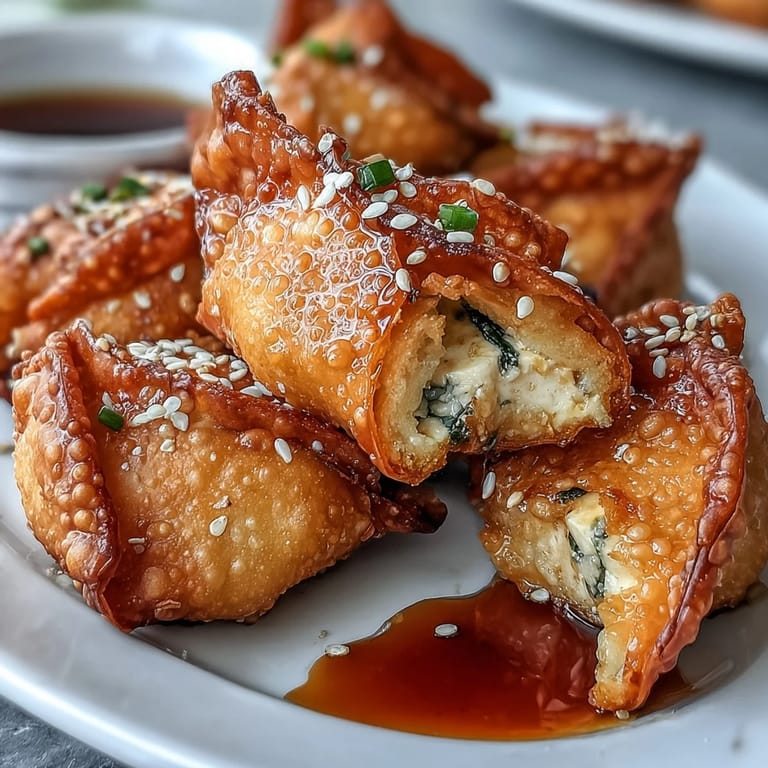
- Transfer to a paper towel-lined plate to absorb any excess oil, then serve immediately with your choice of dipping sauces and a generous handful of fresh coriander.
 Pin It
 There's something almost meditative about the repetition of filling, folding, rolling—and then that moment when they go into the hot oil and you hear that sizzle, knowing you've done something right. My partner calls them my "focus recipe" because I disappear into the process, and honestly, the act of making them feels as good as eating them tastes.
The Art of Wrapping Without Frustration
The first time I wrapped these, I tore the rice paper about six times and nearly gave up, but then I realized I was being too gentle. Rice paper wants confidence—a little tension as you roll keeps it tight and prevents it from sticking back on itself. Your hands will get a little damp, and that's exactly how it should be. Once you wrap maybe four of them, your muscle memory kicks in and suddenly you're making them on autopilot.
Customizing the Filling to Your Mood
While the core recipe is solid, I've learned that swapping vegetables based on what's in my fridge keeps these from ever feeling boring. Shredded cabbage adds serious crunch, bean sprouts bring a fresh lightness, and honestly, a handful of finely chopped water chestnuts elevates the whole thing. If you're not vegan, ground chicken or shrimp work beautifully in place of tofu—just make sure whatever you use is finely chopped so it cooks through quickly.
Dipping Sauce Strategy and Final Touches
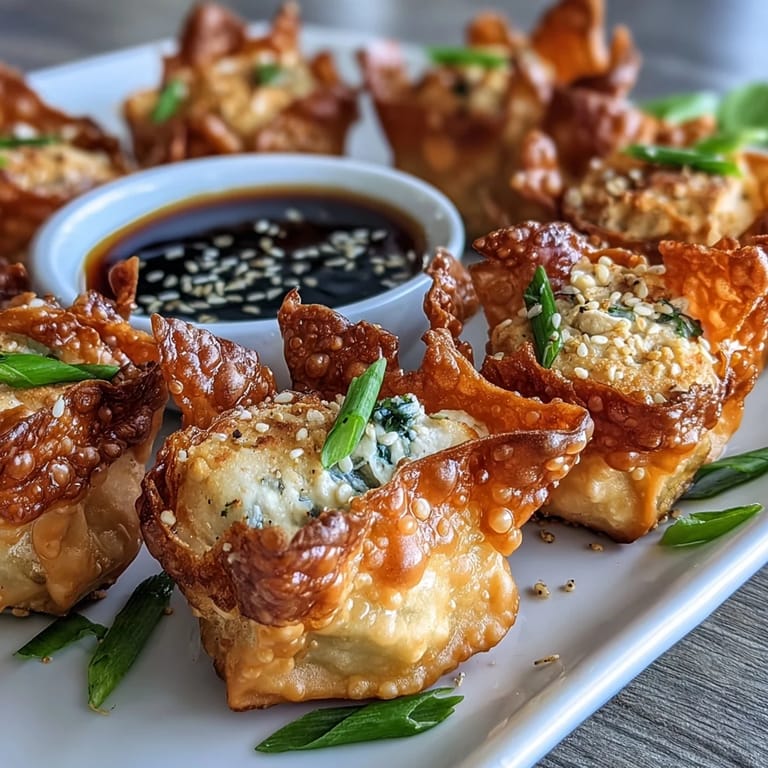
The dipping sauce moment is where the recipe truly becomes yours, so don't just default to soy sauce. My personal favorite is mixing equal parts chili crisp and soy sauce with a squeeze of lime juice, but hoisin adds a sweet depth that's utterly magical. Fresh coriander scattered over everything is non-negotiable in my kitchen—it adds brightness that cuts through the richness of the fried coating.
- Make your dipping sauce while the dumplings fry so it's ready the moment you plate them.
- If you're serving a crowd, set out 2–3 different sauce options and let people experiment.
- These are best eaten immediately, but leftover dumplings reheat surprisingly well in a 350°F oven for about 5 minutes.
 Pin It
 These dumplings taught me that simple ingredients transformed with intention and technique can feel genuinely special. Make them once for yourself, and I promise you'll be making them again.
Recipe Questions & Answers
- → How do I get the rice paper dumplings crispy?
Soak the rice paper briefly until pliable, then pan-fry each dumpling in hot oil on medium heat until golden brown on all sides for maximum crispiness.
- → Can I make the filling ahead of time?
Yes, prepare the tofu and vegetable filling in advance and refrigerate. It's best to assemble and fry dumplings just before serving to maintain crisp texture.
- → What dipping sauces complement these dumplings?
Tamari, soy sauce, chili crisp, or sriracha provide excellent flavor contrasts and enhance the dumplings’ savory profile.
- → Can I substitute tofu with other proteins?
Firm tofu works best, but you can replace it with chicken mince or other proteins if not following a vegan diet.
- → Are there tips to prevent soggy wrappers?
Ensure rice paper sheets are only soaked briefly to soften, not fully saturated, and fry immediately after wrapping to retain crispness.